Tamil Nadu Blast: 23 Workers Killed in Virudhunagar Firecracker Factory Explosion at Kattanarpatti – Safety Lapses Exposed in Sivakasi Fireworks Hub
Tamil Nadu Blast: Deadly Explosion Claims 23 Lives at Firecracker Factory in Virudhunagar District
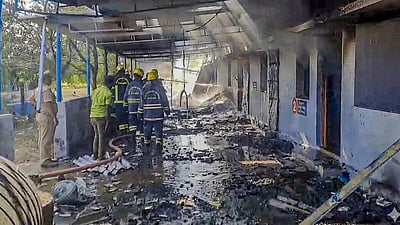
In a tragic incident that has once again highlighted the perilous working conditions in India’s fireworks manufacturing sector, a powerful Tamil Nadu blast ripped through a licensed firecracker factory in Kattanarpatti village, Virudhunagar district, on Sunday afternoon, killing at least 23 workers and injuring six others. The explosion at Vanaja Fireworks unit in Muthuramlingapuram panchayat occurred around 3:20 pm when 36 workers were handling sensitive chemicals, flattening multiple sheds and sending shockwaves felt several kilometers away.
This Tamil Nadu blast underscores the long-standing safety concerns in the Virudhunagar-Sivakasi belt, often called India’s fireworks capital. The region supplies a massive share of the country’s firecrackers and employs thousands in small and medium units, but it has a grim history of fatal accidents due to chemical mishandling, overcrowding, and alleged regulatory violations.
What Happened in the Kattanarpatti Firecracker Factory Explosion?
According to preliminary investigations, the Tamil Nadu blast was likely triggered by friction between chemicals during the manufacturing process. The impact was amplified because a chemical storage room was located in close proximity to the work area. At least four sheds were completely flattened, and a massive plume of white fumes rose over 50 feet into the sky, as reported by villagers who heard the deafening blast from several kilometers away.
The factory, operating under the name Vanaja Fireworks, had a valid license but was reportedly functioning on a Sunday, which violates standard operating rules for such hazardous units. District Collector N O Sukhaputra confirmed that the unit was not authorized to operate on Sundays and announced that stern action would be taken, including cancellation of the license following a detailed inquiry.
“The factory was not supposed to function on a Sunday. We will initiate stern action after a detailed inquiry,” the collector stated, adding that safety norm breaches are also under scrutiny.
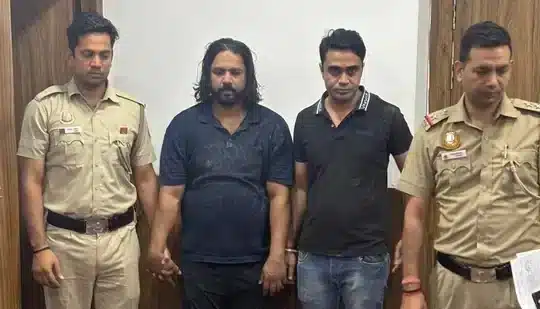
The license was allegedly obtained in the name of Eswari, wife of Muthuramalingam, a former panchayat president who is now on the run. Police have registered a case and formed four special teams to trace the owner and associates, according to Superintendent of Police N Srinatha.
Around 36 workers, many of them women, were present at the site. The Fire and Rescue Services from Sattur, Virudhunagar town, and Sivakasi rushed to the spot, battling flames and clearing debris to search for survivors. Injured workers were rushed to the government hospital in Virudhunagar, with several suffering critical burns.
Rescue operations faced a major setback around 7:20 pm when a secondary, milder blast occurred while an earthmover was clearing debris. Thirteen people, including fire service personnel and police officers, sustained minor injuries from flying fragments, forcing a temporary halt in operations.
Eyewitness Accounts and Immediate Aftermath of the Tamil Nadu Blast
Villagers described the scene as chaotic, with the explosion’s sound echoing across the rural landscape. “It was like a bomb going off. The ground shook, and we saw thick white smoke rising high,” one local resident told reporters. Firefighting teams worked tirelessly amid the risk of further explosions, as residual chemicals posed ongoing dangers.
The association president of Firecrackers and Matchbox Manufacturers in the district, PN Deva, pointed out multiple violations. The factory was permitted to employ only 25 workers but had more on site. Moreover, chemical mixing is strictly regulated to occur only between 8 am and 10 am, yet the blast happened around 3 pm, indicating that mixing continued throughout the day — a clear breach of safety protocols.
Tamil Nadu Chief Minister MK Stalin expressed deep sorrow and directed ministers to rush to the site for on-ground monitoring of rescue efforts and to provide immediate support to the affected families. He instructed the district collector to extend all necessary assistance.
Condolences from National Leaders Following the Virudhunagar Tragedy
The Tamil Nadu blast drew widespread condolences from across the political spectrum:
- President Droupadi Murmu posted on X: “The loss of lives in a tragic accident at a firecracker factory in Virudhunagar district, TN, is deeply distressing. I extend my heartfelt condolences to the bereaved families. I wish the injured a speedy recovery.”
- Prime Minister Narendra Modi stated: “The mishap in Virudhunagar district of Tamil Nadu is deeply distressing. I extend my condolences to those who have lost their loved ones. May the injured recover at the earliest.”
- Vice President CP Radhakrishnan, Union Home Minister Amit Shah, and Congress leader Rahul Gandhi also expressed grief and solidarity with the victims’ families.
These statements reflect the national attention on the recurring dangers in the fireworks industry.
The Sivakasi Fireworks Hub: Economic Lifeline with Deadly Risks
The Virudhunagar-Sivakasi region is the epicenter of India’s fireworks and matchbox industry. Centered around Sivakasi, it produces a significant portion of the nation’s crackers, generating employment for thousands, particularly in rural areas. However, this economic backbone comes at a heavy human cost.
The industry involves handling highly sensitive chemicals like potassium nitrate, sulfur, and charcoal mixtures, which are prone to accidental ignition from even minor friction, sparks, or improper storage. Small units often operate with limited space, leading to overcrowding of workers and materials — factors repeatedly cited in past probes.
This Tamil Nadu blast is not an isolated event. The Sivakasi area has witnessed numerous similar tragedies over the decades:
- In 2012, a massive explosion at a Sivakasi factory killed around 40 people and injured over 70.
- Multiple incidents in 2024-2025 claimed lives, including blasts that killed 8-10 workers each due to chemical friction during filling or mixing processes.
- Historical data shows dozens of accidents resulting in hundreds of deaths, often linked to inadequate training, lack of protective gear, extended working hours, and operation beyond licensed capacities.
Experts and activists have long called for stricter enforcement of safety norms, including better worker training, mandatory use of non-sparking tools, proper segregation of chemicals, and limits on daily chemical handling. Many units are accused of proxy ownership or operating unlicensed/illegal sections to bypass regulations.
The Fireworks and Matchbox Manufacturers Association acknowledges the need for compliance but points to the competitive pressures and seasonal demand (especially during festivals like Diwali) that sometimes lead to shortcuts.
Safety Violations and Regulatory Failures in Tamil Nadu Fireworks Industry
In the latest Tamil Nadu blast, key issues include:
- Operating on a Sunday against rules.
- Exceeding permitted worker numbers (36 instead of 25).
- Continued chemical mixing late into the afternoon.
- Proximity of storage to active work areas.
- Alleged proxy licensing with the actual operator evading authorities.
Police and revenue officials are now investigating whether the unit adhered to explosive department guidelines, building safety standards, and labor laws. The license cancellation signals a strong official response, but families of the deceased demand accountability and compensation.
The Tamil Nadu government has a history of announcing ex-gratia payments and promising inquiries after such incidents, yet critics argue that systemic reforms are lacking. Calls for modernizing the industry — shifting to automated processes, safer chemical formulations, or alternative employment — have grown louder with each tragedy.
Impact on Families and the Local Community
Most workers in these units come from nearby villages, often from economically vulnerable backgrounds. The loss of 23 lives, many young women among them, leaves behind dependent families facing not just emotional trauma but also financial ruin. Hospitals in Virudhunagar are treating the injured, with some in critical condition requiring specialized burn care.
Local communities in Kattanarpatti and surrounding areas are in mourning. The blast has disrupted daily life, with schools and businesses temporarily affected due to safety fears.
Broader Implications for India’s Fireworks Sector
India’s fireworks industry, dominated by Tamil Nadu’s Virudhunagar district, faces scrutiny not just for safety but also for environmental and child labor concerns (though the latter has reduced due to interventions). While the sector boosts local economy and meets cultural demands for celebrations, the human toll raises questions about sustainable practices.
Post this Tamil Nadu blast, demands may intensify for:
- Regular audits and surprise inspections.
- Technology upgrades like remote monitoring or safer mixing methods.
- Skill development programs for workers.
- Diversification of employment in the region to reduce dependency on hazardous manufacturing.
Authorities have repeatedly emphasized that most accidents are preventable through adherence to rules. Yet, the pattern persists, pointing to enforcement gaps.
Latest Updates on Rescue and Investigation
As of the latest reports, rescue and salvage operations continue cautiously after the secondary blast. Forensic teams are examining the site for clues on the exact trigger. The death toll stands at 23, but officials have not ruled out further revisions if more bodies are recovered from the debris.
The district administration is coordinating relief, including financial aid for victims’ families. The Tamil Nadu government is expected to announce a comprehensive package soon.
This Tamil Nadu blast in Virudhunagar serves as a painful reminder of the risks faced by workers who produce joy for millions during festivals. While investigations proceed, the focus must shift toward preventing future tragedies through robust safety measures, stricter licensing, and industry modernization.
The people of Sivakasi and Virudhunagar deserve an industry that celebrates life rather than claiming it. For now, the focus remains on supporting the bereaved and ensuring justice for the victims of this devastating Tamil Nadu blast.