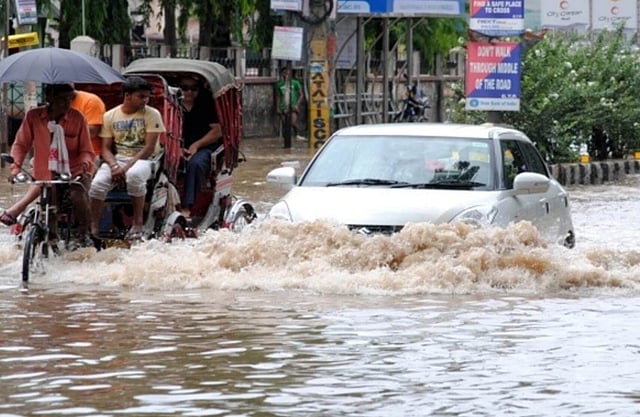
Guwahati Artificial Flood 2026: Heavy Rainfall Causes Severe Waterlogging, Schools Closed on Monday, Young Woman Missing in Maligaon
Guwahati Artificial Flood 2026: Heavy Rainfall Triggers Widespread Waterlogging, Forces School Closures and Rescue Operations
Guwahati, the bustling gateway to Northeast India, once again found itself battling its recurring nightmare on April 19-20, 2026 — Guwahati artificial flooding triggered by intense heavy rainfall. What should have been a refreshing pre-monsoon shower turned into chaos as unrelenting downpour from Sunday evening inundated low-lying areas, stalled traffic for hours, and forced the district administration to shut all educational institutions on Monday.
This latest episode of Guwahati artificial flood 2026 highlights the city’s chronic vulnerability to urban waterlogging, even from moderate to heavy spells of rain. Residents woke up to submerged roads, stranded vehicles, and disrupted daily life, raising fresh questions about drainage infrastructure and urban planning in Assam’s capital.
Heavy Rainfall Lashes Guwahati, Creating Artificial Flood Situation
Continuous heavy rainfall began on Sunday evening, April 19, 2026, and continued late into the night. The downpour was particularly intense, leading to rapid accumulation of water across the city. Unlike riverine floods, this was a classic case of Guwahati artificial flooding or urban waterlogging — caused primarily by clogged drains, siltation, encroachment on natural water channels, and unplanned urbanization.
Major localities severely affected include:
- Beltola
- Hatigaon
- Rukminigaon
- Panjabari
- Six Mile
- Ganeshguri
- Kahilipara
- Zoo Road
- Chandmari
- Gandhi Basti
- Ambari
- GS Road
- Maligaon
- Jorabat
- Anil Nagar
- Navin Nagar
- Ambikagiri Nagar
- Jatia
In many of these areas, roads and by-lanes were submerged under knee-deep to waist-deep water. Commuters reported vehicles getting stuck for several hours, forcing many office-goers to remain stranded at workplaces until late evening or even night. Public transport came to a near standstill, and two-wheelers struggled to navigate the flooded streets.
The situation turned particularly dangerous in low-drainage zones where stormwater could not find an outlet due to blocked nullahs and drains filled with silt and garbage.
Tragic Incident: Young Woman Missing in Maligaon Amid Floodwaters
In a heartbreaking development, a young woman went missing in Maligaon after reportedly being swept into an open drain by the strong currents of floodwater. The incident occurred during the heavy downpour on Sunday evening. Eyewitnesses said she entered the area amid rising waters, only to be carried away by the gushing current in the uncovered drain.
State Disaster Response Force (SDRF) teams, along with local administration and fire services, immediately launched a rescue operation. As of the latest updates on April 20, the search for the missing woman was still ongoing. The district administration has appealed to citizens to stay away from flooded drains and low-lying areas.
This incident underscores the hidden dangers of Guwahati artificial flood — not just inconvenience, but real life-threatening risks from poorly maintained or uncovered drainage systems.
Kamrup Metro Administration Orders School Closure on Monday
Considering the severity of the waterlogging and risks to students and staff, Kamrup Metropolitan District Commissioner and Chairman of the District Disaster Management Authority, Swapnil Pal, issued an urgent order late on Sunday.
All government and private educational institutions under the Guwahati Municipal Corporation (GMC) area remained closed on Monday, April 20, 2026. The directive specifically cited the safety of students, teachers, and employees as the primary concern.
In the official order, the administration noted that heavy rainfall on April 19 had caused widespread waterlogging, severely disrupting normal life. Parents and guardians were advised to keep children at home and monitor official announcements for further updates.
This decision brought relief to many families but also highlighted how frequently such disruptions occur in Guwahati due to its poor drainage infrastructure.
Administration’s Appeal: Exercise Caution and Avoid Unnecessary Travel
The Kamrup Metro District Administration has urged citizens to exercise extreme caution. Key advisories include:
- Avoid venturing out unless absolutely necessary.
- Stay away from submerged roads and open drains.
- Do not allow children to play in floodwaters.
- Follow traffic updates and alternate routes where possible.
- Report any emergency to the district helpline numbers.
Rescue and relief teams have been deployed in the worst-affected pockets. SDRF personnel are actively monitoring vulnerable areas and assisting stranded individuals.
The administration also stated that the situation is being closely monitored, with necessary measures being taken to clear blocked drains and restore normalcy as soon as possible.
Why Does Guwahati Suffer Repeated Artificial Flooding?
Guwahati artificial flood 2026 is not an isolated event. The city has been grappling with this issue for years. Even moderate rainfall often leads to severe waterlogging due to several interconnected reasons:
- Clogged and Inadequate Drains: Many stormwater drains are filled with silt, garbage, and construction debris. Desilting work often starts late or remains incomplete.
- Encroachment on Wetlands and Hills: Rapid urbanization has led to filling of low-lying wetlands and cutting of hills, reducing the city’s natural water absorption capacity. Silt from denuded hills flows directly into drains.
- Unplanned Urban Growth: New constructions without proper drainage planning have increased impervious surfaces, causing faster runoff.
- Poor Maintenance: Despite announcements of “Mission Flood-Free Guwahati,” coordination between GMC, GMDA, PWD, and other departments often falls short during critical times.
- Geographical Challenges: Guwahati’s location at the foothills of Meghalaya makes it naturally prone to heavy runoff, but man-made factors amplify the problem many times over.
Experts and residents have repeatedly pointed out that while flyovers and smart city projects get priority, basic stormwater management remains neglected. This recurring cycle not only disrupts daily life but also causes huge economic losses through damaged vehicles, spoiled goods, and lost working hours.
Impact on Daily Life and Economy
The Guwahati waterlogging today scenario brought the city to a virtual halt. Schools closed, offices saw low attendance, and essential services like ambulances and delivery vehicles faced major delays. Shopkeepers in low-lying markets reported water entering premises, damaging stocks.
Traffic snarls on GS Road, Zoo Road, and other arterial routes added to commuters’ woes. Many people had to wade through dirty floodwater, increasing the risk of waterborne diseases.
For a city aspiring to be a major economic hub of the Northeast, such frequent disruptions send a poor signal about infrastructure readiness.
What Should Citizens Do During Guwahati Floods?
Here are some practical Guwahati flood safety tips:
- Keep emergency numbers (SDRF, Fire Services, District Helpline) saved on your phone.
- Avoid driving or walking through flooded areas — even knee-deep water can be dangerous.
- Do not touch electrical appliances or switches if your house is flooded.
- Boil drinking water and maintain hygiene to prevent diseases.
- Help neighbours, especially the elderly and children, during emergencies.
- Report uncovered drains or garbage choking to the local municipal office.
Long-term, citizens must also demand accountability from elected representatives and civic bodies for timely desilting and proper drainage projects.
Government Initiatives and the Road Ahead
The Assam government has been talking about “Flood-Free Guwahati” initiatives, including large-scale desilting of hundreds of drains and regulation of rivers flowing through the city. The current District Commissioner Swapnil Pal has reviewed preparedness in several meetings.
However, until these projects deliver visible results on the ground — especially before every monsoon or pre-monsoon shower — residents will continue to suffer.
The latest Guwahati artificial flood 2026 incident should serve as a wake-up call for faster implementation of drainage master plans, stricter enforcement against encroachments, and better inter-departmental coordination.
Conclusion: Time for Sustainable Solutions
As Guwahati battles yet another episode of severe waterlogging, the focus must shift from reactive measures (school closures, rescue operations) to proactive, sustainable urban planning. The recurring artificial flooding in areas like Hatigaon, Beltola, Maligaon, and Rukminigaon cannot be accepted as normal.
While the immediate priority remains locating the missing young woman from Maligaon and restoring normalcy, the bigger challenge is to make Guwahati truly resilient to rain. Only then can the “City of Eastern Lights” shine without the shadow of annual floods.
Stay tuned to our website for live updates on the Guwahati flood situation, weather alerts, and rescue operations. If you are in an affected area, share your experience or photos (safely) in the comments to help spread awareness.