Bohag Bihu Uruka 2026: Vibrant Preparations and Festive Joy Mark the Eve of Rongali Bihu in Assam
Guwahati, 13 April 2026: The much-awaited Bohag Bihu Uruka has arrived, filling every corner of Assam with colours of joy, rhythm of dhol and pepa, and the sweet aroma of freshly prepared pithas. As the long wait ends, villages and towns across the state are buzzing with excitement for Rongali Bihu, the most vibrant festival of the Assamese people that marks the Assamese New Year and the arrival of spring.
Today, on Bohag Bihu Uruka 2026, families are coming together to complete last-minute preparations for the grand seven-day celebrations that begin tomorrow with Goru Bihu. Markets are overflowing with crowds, and the air is thick with festive spirit as people shop for traditional items and ready their homes for the joyous occasion.
Bohag Bihu Uruka is not just an ordinary day — it is the eve that sets the tone for the entire Rongali Bihu festival. Known as the day when the wait finally ends, Uruka brings families closer as they gather essential ingredients and prepare delicacies that define Assamese hospitality and culture. From rural hamlets to bustling cities like Guwahati, Dibrugarh, Jorhat, Silchar, and Tezpur, the entire state is immersed in the spirit of Bohag Bihu Uruka.
Why Bohag Bihu Uruka Holds Special Significance
Bohag Bihu, also lovingly called Rongali Bihu, is deeply rooted in Assam’s agrarian lifestyle. It symbolises the end of the harvesting season and the beginning of a new agricultural cycle. The festival celebrates the rejuvenation of nature, the blossoming of flowers (especially the iconic kopou phul), and the fresh energy of spring.
The term “Uruka” itself carries the essence of completion and anticipation. On this day, people make final arrangements for the festival. Families unite to buy seasonal vegetables such as lau (bottle gourd), bengena (brinjal), makhiati, dighalati, thekera, and amroliparua. Other essentials flooding the markets include betel leaves and nuts (pan-tamol), bora rice, komal rice, sandah chira, and various items needed for making pithas and larus.
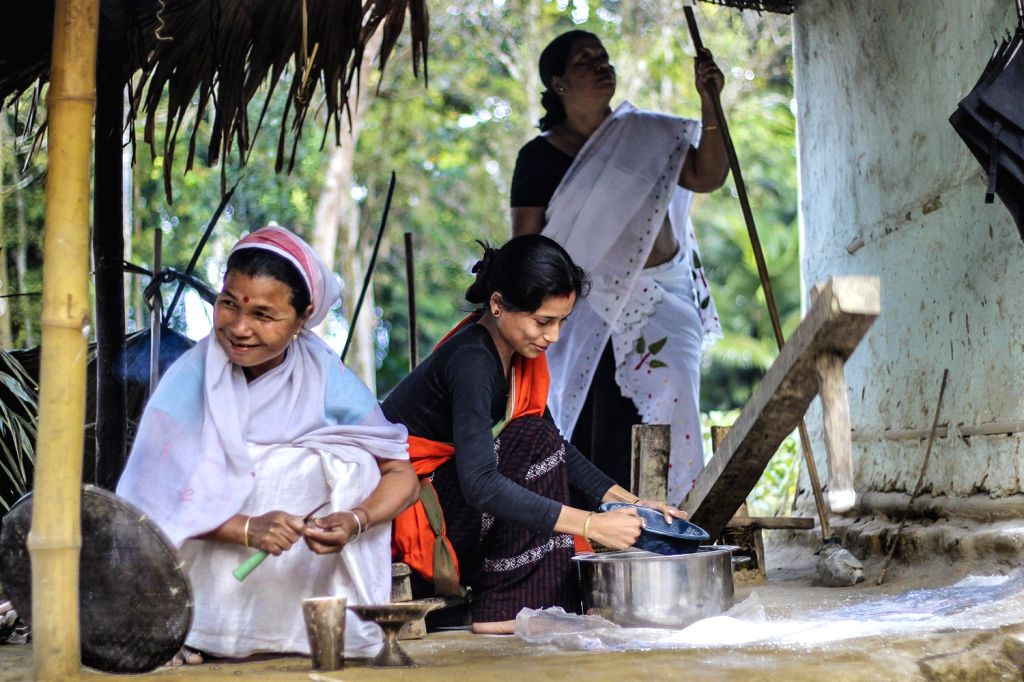
In every household, women and young girls are busy preparing a wide variety of traditional Bihu delicacies — different types of pithas (rice cakes), larus (sweet balls made with coconut, sesame, or jaggery), and other festive snacks. The fragrant smell of freshly ground rice and gur (jaggery) wafts through the courtyards, creating an irresistible festive atmosphere.
Traditional Rituals and Celebrations During Bohag Bihu Uruka
One of the most beautiful aspects of Bohag Bihu Uruka is the family bonding. Relatives and neighbours gather to share the workload and the joy of preparation. Young boys and girls form Husori groups, rehearsing Bihu songs and dances so they can visit homes the next day to seek blessings from elders with melodious Husori performances.
The first day of Bohag Bihu tomorrow (14 April 2026) is Goru Bihu, dedicated entirely to honouring cattle — the backbone of rural Assamese economy. On Goru Bihu, cows and bulls are bathed with care, smeared with turmeric paste (mah halodhi), and adorned with garlands made of lau and bengena. People offer special prayers for their well-being and prosperity, reciting traditional blessings such as:
“Lau kha, bengena kha, bosore bosore barhi ja”
(Eat gourd, eat brinjal, may you grow bigger year after year).
This ritual reflects the deep respect Assamese society holds for nature and livestock.
The seven days of Rongali Bihu each carry unique significance:
- Goru Bihu: Day dedicated to cattle worship.
- Manuh Bihu: The main New Year day when people wear new clothes (Bihuwaan), visit relatives, and exchange greetings with gamusa.
- Kutum Bihu: Family reunion day.
- Senehi Bihu: Day of love and affection, often celebrated by young couples.
- Mela Bihu: Community fairs and cultural programmes.
- Other days include Chera Bihu and special community events.
Throughout the festival, the beats of the dhol, the melodious tunes of the pepa (bamboo flute), and the energetic Bihu dance create an unforgettable festive vibe.
Cultural and Social Importance of Rongali Bihu
Bohag Bihu Uruka and the following Rongali Bihu are much more than a festival — they represent the cultural identity of the Assamese people. The celebrations promote unity among diverse communities and tribes living in Assam. People from different ethnic backgrounds — Ahom, Bodo, Mising, Karbi, Dimasa, and others — participate together, strengthening social bonds.
The festival is also closely tied to agriculture. It marks the time when farmers prepare their fields for the new sowing season. The joy, songs, and dances are expressions of hope for a bountiful harvest in the coming year.
In urban areas, cultural organisations and the Assam Government organise special Bihu programmes, competitions, and stage performances to keep the tradition alive among the younger generation. Bihu Akhoras (rehearsal grounds) in places like Nalbari, Tinsukia, Dhing, and other districts are filled with enthusiastic youth practising Bihu dance and songs.
From the month of Chot (last month of the Assamese calendar), daughters and daughters-in-law start weaving new Bihu clothes on traditional looms. Wearing these fresh garments, singing Bihu geet, and dancing in open fields or community spaces — this is how Assamese people wholeheartedly embrace Rongali Bihu.
Markets and Preparations on Bohag Bihu Uruka 2026
Today’s markets present a colourful scene. Vendors are doing brisk business selling fresh vegetables, rice varieties, and Bihu-specific items. In Guwahati’s Fancy Bazar, Pan Bazar, and local haats across rural Assam, the rush is clearly visible.
People are also stocking up on ingredients for the grand Uruka night feast, though the major community feasting for Bohag Bihu is more subdued compared to Magh Bihu. Still, families enjoy special meals together, sharing love and laughter.
The tradition of Husori — where groups of young men and women go from house to house singing Bihu songs and offering blessings — adds a unique charm. Elders lovingly give them dakshina (gifts or money) and bless them for a prosperous year.
Government and Community Initiatives
The Assam Government has organised several cultural events, Bihu competitions, and awareness programmes to celebrate Bohag Bihu Uruka 2026 and Rongali Bihu in a grand yet culturally respectful manner. These initiatives help preserve the rich heritage while encouraging tourism and community participation.
Various cultural bodies in districts like Kamrup, Nagaon, Lakhimpur, Sivasagar, and Dibrugarh are hosting Bihu sandhyas and open-stage performances where seasoned artists and new talents perform together.
A Festival That Unites Hearts
Bohag Bihu Uruka reminds us of the simple yet profound values of Assamese society — respect for nature, love for family, harmony with animals, and celebration of life itself. As the dhol echoes across paddy fields and the pepa fills the spring air with melody, every Assamese heart fills with renewed hope and enthusiasm.
On this auspicious occasion of Bohag Bihu Uruka 2026, let us all uphold our age-old traditions while embracing modernity. May the spirit of Rongali Bihu bring happiness, peace, prosperity, and good health to every home.
“Lau kha, bengena kha, bosore bosore barhi ja” — May this traditional blessing reach every family, spreading joy and abundance year after year.
As the colourful curtains of Rongali Bihu rise tomorrow, Assam once again proves why it is called the land of festivals and eternal spring. Happy Bohag Bihu to all!