Premium Petrol Price Hike in India: Rs 2-2.35/Litre Increase in XP95, Power, and Speed Variants Amid Surging Crude Oil Prices – Regular Petrol and Diesel Rates Unchanged (March 2026 Update)
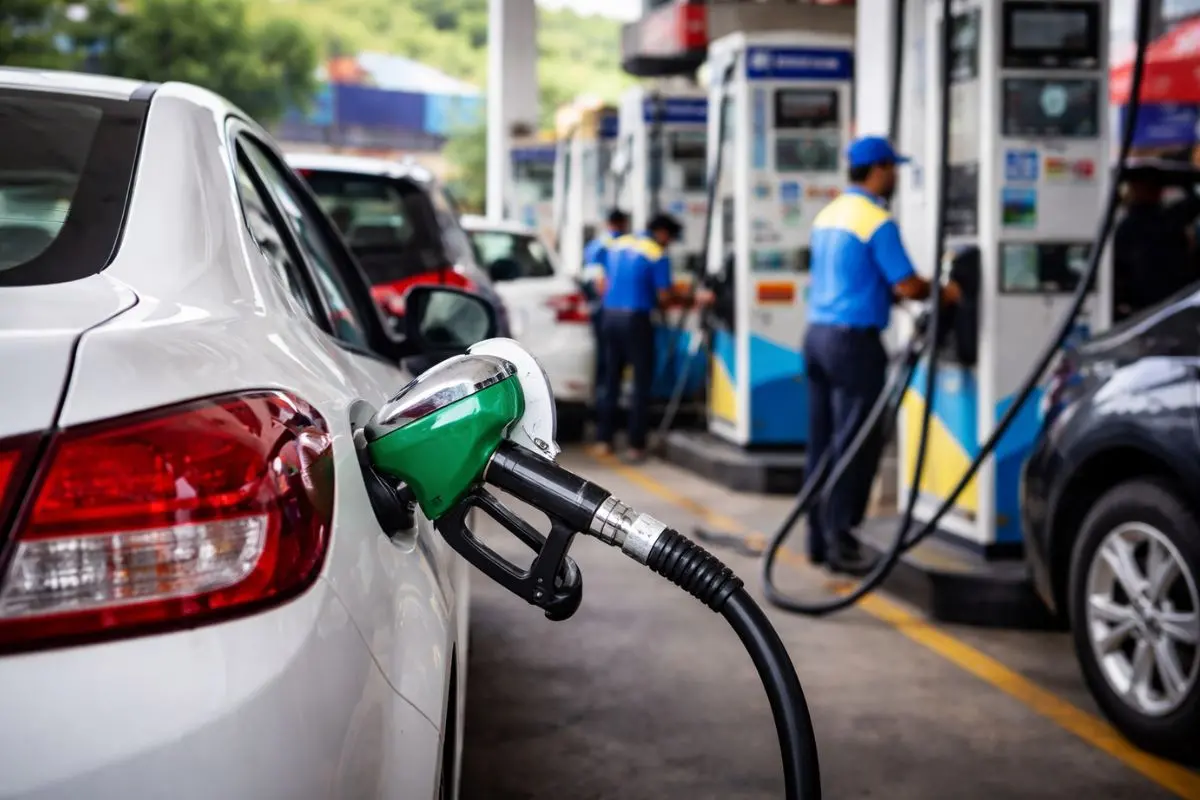
In a significant development for India’s fuel market, state-owned oil marketing companies (OMCs) including Indian Oil Corporation Limited (IOCL), Hindustan Petroleum Corporation Limited (HPCL), and Bharat Petroleum Corporation Limited (BPCL) have implemented a selective petrol price increase effective from March 20, 2026. The hike targets only premium high-octane petrol variants, such as IOCL’s XP95, HPCL’s Power petrol, and BPCL’s Speed, with prices rising by approximately Rs 2 to Rs 2.35 per litre across various cities. This marks the first notable retail fuel price adjustment in any category since March 2024, coming against the backdrop of sharply rising global crude oil prices and a weakening Indian rupee.
Regular petrol and diesel prices, which form the bulk of consumer consumption, remain completely unchanged, providing relief to the majority of vehicle owners and helping contain inflationary pressures. Government officials, including Sujata Sharma, Joint Secretary in the Ministry of Petroleum and Natural Gas, have emphasized that this is a corporate decision by the OMCs in a deregulated fuel market, with no broader revision affecting the common man.
Why the Premium Petrol Price Hike Now?
The primary trigger for this petrol price adjustment is the surge in global crude oil benchmarks. Brent crude, the key international reference for India, has been trading firmly above the $100 per barrel level, with peaks crossing $110 in recent sessions amid escalating geopolitical tensions in West Asia, particularly involving conflicts that threaten supply routes like the Strait of Hormuz. This chokepoint handles a substantial portion of global oil shipments, and any disruptions amplify fears of shortages, driving prices higher.
India, as one of the world’s largest oil importers, feels the pinch directly. Higher crude costs translate to elevated input expenses for domestic refiners. Compounding this is the Indian rupee’s depreciation to record lows against the US dollar—hovering around Rs 93-93.80 in March 2026—making imported crude even more expensive in rupee terms. These twin pressures have squeezed OMC margins, prompting a measured response rather than a blanket increase.
Instead of raising prices for regular petrol (typically 91-92 octane) and diesel, which dominate daily sales and impact millions of households, transporters, and industries, the companies opted for a targeted hike in premium fuels. Premium variants like XP95 (95 octane), Power, and Speed contain higher octane ratings and specialized additives for better engine performance, reduced deposits, improved acceleration, and fuel efficiency in high-end or performance vehicles. These account for only a small fraction—roughly 3-4%—of total petrol consumption, allowing OMCs to recover some costs without widespread public backlash.
An anonymous executive from one of the oil companies confirmed that the adjustment stems directly from “surging international crude oil prices.” Meanwhile, Sujata Sharma clarified during an inter-ministerial briefing: “There is no increase in the price of normal petrol. There is some increase in a premium category, and that is hardly 2, 3 or 4% of the entire petrol which is sold every day. There has been no increase in petrol price for the common person.”
This approach aligns with the deregulated nature of fuel pricing since 2014, where OMCs set rates based on market dynamics, though the government maintains tacit oversight through its majority stake in these entities (controlling ~90% of retail fuel outlets). Historically, such controls have shielded consumers from global volatility, often at the expense of OMC profitability.
City-Wise Impact: New Premium Petrol Prices
While exact prices vary by state taxes, local levies, and dealer margins, dealer inputs and company announcements indicate the following revisions in select major cities (as of March 21, 2026):
- Delhi: IOCL XP95 now at around Rs 101.89 per litre (up from ~Rs 99.89). HPCL Power and BPCL Speed saw similar Rs 2+ increases. Regular petrol remains at Rs 94.77 per litre, diesel at Rs 87.67 per litre.
- Mumbai: Premium variants hiked by Rs 2.09–2.35; regular petrol steady at Rs 103.54, diesel at Rs 90.03.
- Other metros like Bangalore, Chennai, Hyderabad, and Kolkata follow comparable patterns, with premiums rising while regulars hold firm.
Note that industrial diesel (bulk supply to commercial users) faced a steeper 25% jump—around Rs 21.92 per litre in Delhi, pushing it from Rs 87.67 to Rs 109.59—highlighting broader cost pressures on manufacturing and logistics sectors.
No Change in Regular Petrol and Diesel Prices
For the average consumer, the news is largely positive. Regular petrol and diesel rates have been frozen for an extended period—unchanged since March 2024—despite repeated global oil spikes. This stability reflects policymakers’ caution on inflation control, especially with fuel forming a key household expense. In major cities:
- Delhi: Petrol Rs 94.77, Diesel Rs 87.67
- Mumbai: Petrol Rs 103.54, Diesel Rs 90.03
- Chennai: Petrol ~Rs 100.80–101, Diesel Rs 92.39
- Kolkata: Petrol Rs 105.45, Diesel Rs 92.02
- Bangalore: Petrol Rs 102.96, Diesel varies
These rates include central excise, state VAT, and dealer commission, with Delhi often having the lowest due to lower taxes.
What This Means for Consumers and the Economy
For everyday users driving standard vehicles, there’s no immediate hit—your fuel bill stays the same. However, owners of luxury cars, sports bikes, or high-performance engines requiring premium fuels will notice a marginal increase. For instance, filling a 50-litre tank might cost Rs 100–120 extra.
This selective hike signals building pressures in the fuel ecosystem. If Brent crude sustains above $100 (or climbs further due to prolonged West Asia disruptions), OMCs may eventually pass on costs more broadly. The government has reiterated that supplies remain stable—no shortages at pumps—and surprise inspections are ongoing to curb hoarding or unethical pricing.
Economically, the move helps OMCs offset losses without fueling inflation for the masses. Premium fuels’ niche status makes this a smart buffer. Yet, it underscores India’s vulnerability to global energy markets and the need for diversified imports, renewables, and strategic reserves.
Broader Context: Global Factors Driving the Petrol Price Dynamics
The current scenario ties into larger geopolitical events. Tensions in West Asia have disrupted supply chains, with fears centered on key routes and infrastructure. Brent’s rally from lower levels to over $110 reflects market panic, though some analysts expect moderation if de-escalation occurs.
Domestically, the rupee’s slide exacerbates import bills—India imports ~85% of its crude needs. Combined with high taxes on fuel (among the world’s highest), this keeps pump prices sensitive.
Looking Ahead: Will Regular Petrol Prices Rise Soon?
While officials downplay broader hikes, sustained high crude could force adjustments. For now, the focus remains on premium segments. Consumers should monitor daily updates via official IOC, HPCL, or BPCL apps/sites.
This petrol price development highlights the delicate balance between market realities and consumer protection in India’s fuel sector. Stay tuned for more updates as global events unfold.