MHA Designates 23 Pakistan-Based Terrorists Under UAPA 2026: Major Blow to JeM, LeT in Jammu Kashmir Amid West Asia Tensions
MHA Designates 23 Pakistan-Based Terrorists Under UAPA: Historic Crackdown on JeM and LeT Networks Threatening India’s Security
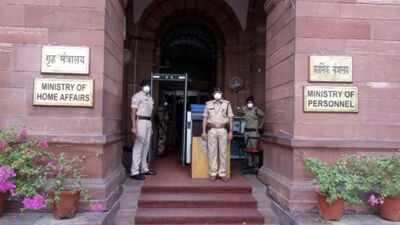
New Delhi, July 4, 2026 – In a decisive and powerful move to strengthen national security, the Union Ministry of Home Affairs (MHA) has designated 23 individuals based in Pakistan as “terrorists” under the Unlawful Activities (Prevention) Act (UAPA). This significant designation targets key operatives linked to dreaded outfits like Jaish-e-Mohammed (JeM), Lashkar-e-Taiba (LeT), and other terror organizations actively involved in anti-India activities.
The government order, released on Saturday, marks a major blow to cross-border terrorism, especially in Jammu and Kashmir. These 23 terrorists have been accused of a wide range of deadly activities, including supplying arms and ammunition via drones across the border, planning horrific terror attacks on security forces, and attempting to expand terror networks in the valley.
This latest action takes the total number of designated individual terrorists under UAPA to 80, reflecting the government’s unrelenting commitment to dismantle terror infrastructure.
Key Terrorists Designated: Full Details of the Crackdown
Among the prominent names added to the list are several high-profile JeM operatives:
- Masood Ilyas Kashmiri
- Mohammad Mussadiq alias Doctor (also known as Abdul Manan Sajjad, Hamza, Wahid Khan)
- Mufti Muhammad Asghar Khan alias Abu Saad
- Hafiz Abdul Shakoor alias Qari Zarrar
- Abdullah Jehadi
- Ghulam Fareed
- Maulana Imdad Ullah Makki
- Waseem Noor Jat
Particularly notorious is Mohammad Mussadiq @Doctor, a 38-year-old resident of Shakargarh, district Narowal in Pakistan. The MHA notification explicitly states that he is one of the main handlers for JeM’s infiltration of terrorists into Jammu and Kashmir. He is directly linked to the deadly attack by JeM terrorists on security forces at Sunjwan, Jammu, on April 22, 2023.
The list also includes multiple LeT terrorists such as:
- Firdous Ahmad Bhat
- Haroon Rashid Ganai
- Bilal Ahmad Mir
- Abid Quyoom Lone
- Nazir Ahmed Gujjar
- Abdul Rauf alias Hafiz Abdul Rauf
- Ashfaq Ahmad
- Hafiz Khalid Waleed
- Maulana Saifullah Khalid
- Mohammad Yaqoob
- Molana Yousaf Taibi
- Owais Farooz
- Qari Yaqub Sheikh
- Rana Iftikhar
Additionally, Mohammed Shaheed Faisal, who has links to both Al Qaeda and ISIS, has been designated.
These individuals are accused of orchestrating terror activities that have claimed innocent lives and threatened India’s sovereignty. By designating them under UAPA, the Centre has empowered security agencies to freeze their assets, block financial channels, impose arms embargoes, and take stringent legal actions.
Why This UAPA Designation Matters: Legal and Strategic Impact
The Unlawful Activities (Prevention) Act, 1967, was amended in 2019 to allow the designation of individuals as terrorists, not just organizations. This landmark change has given teeth to India’s counter-terrorism framework. Once designated, these terrorists face severe restrictions:
- Financial accounts are blocked
- Property and assets can be seized
- Travel bans and international cooperation for extradition become easier
- National Investigation Agency (NIA) gains enhanced powers to investigate and prosecute
This move is particularly timely as India continues to face hybrid threats, including drone-based arms smuggling along the borders. The designation sends a crystal-clear message to terror sponsors across the border: India will not tolerate any attempts to destabilize its territory.
Connection to Broader Regional Security: West Asia Conflict and Strait of Hormuz
This decisive action by MHA comes amid heightened global tensions in the West Asia conflict. With ongoing developments involving Iran, the United States, and Israel, and concerns over the strategic Strait of Hormuz, India’s security apparatus remains vigilant against any spillover effects or attempts by terror groups to exploit regional instability.
The timing also coincides with other major international events like preparations for FIFA World Cup 2026, where India is closely monitoring global security scenarios. Internal stability in Jammu and Kashmir is crucial not only for national security but also for India’s growing international image as a safe and progressive destination.
Recent related incidents, such as the arrest of a terrorist sympathizer in Kathua, J&K, and operations against terror modules, highlight the continuous efforts by Indian agencies to maintain peace in the region.
Government’s Firm Stance on Terrorism
The Ministry of Home Affairs has consistently strengthened anti-terror laws and operational capabilities. Designating these 23 terrorists is part of a larger strategy that includes:
- Enhanced border surveillance
- Intelligence-led operations
- Community engagement in vulnerable areas
- International diplomatic pressure on terror-financing networks
Prime Minister Narendra Modi’s government has repeatedly emphasized a zero-tolerance policy towards terrorism. This latest notification reinforces that approach with concrete action.
Impact on Jammu and Kashmir: Towards Lasting Peace
Jammu and Kashmir has witnessed a significant decline in terror-related incidents due to sustained security measures. However, Pakistan-based handlers continue attempts to revive violence through infiltration and local recruitment. By naming and shaming these specific individuals, the government aims to disrupt command structures and financing channels that fuel unrest.
The inclusion of individuals involved in the 2023 Sunjwan attack brings closure and justice for the families of martyrs while deterring future attacks.
What This Means for National Security and Citizens
For ordinary citizens, this designation translates into greater safety. Reduced terror funding means fewer weapons reaching militants, leading to improved law and order. Tourists, investors, and locals in Jammu and Kashmir can look forward to enhanced economic opportunities as peace dividends materialize.
Security experts view this as a proactive step that complements military and diplomatic efforts. It also aligns with India’s global advocacy against cross-border terrorism at forums like the UN and FATF.
As India progresses towards its development goals, such firm actions against terrorism ensure that disruptive forces do not derail the nation’s trajectory.
Looking Ahead: Continued Vigilance Required
While this designation of 23 terrorists is a significant victory, the fight against terrorism demands eternal vigilance. Indian agencies will continue monitoring these individuals and their networks. International cooperation will play a key role in ensuring they face justice.
This development should also serve as a wake-up call for Pakistan to dismantle terror infrastructure on its soil instead of denying its existence.
Stay updated with us for complete coverage on MHA UAPA designations, Jammu Kashmir security situation, and evolving West Asia conflict dynamics. Our team brings you verified facts, expert analysis, and real-time updates on all matters concerning India’s national security.