Nepal’s New PM Balendra Shah: Balen Takes Oath as Youngest Prime Minister on Ram Navami After RSP Landslide Victory
Nepal’s New PM Balendra Shah: From Rapper and Kathmandu Mayor to Leading Nepal’s Historic Political Revolution
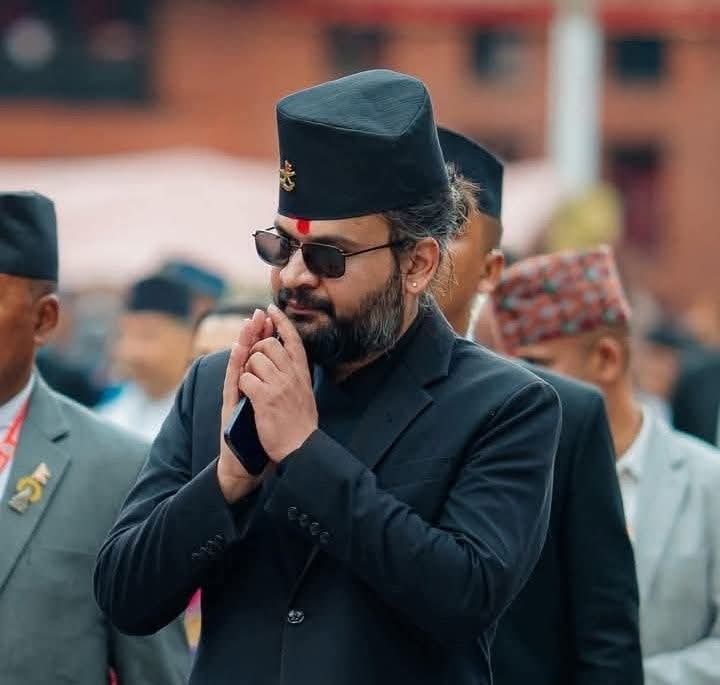
In a landmark moment for Nepal’s democracy, Nepal’s new PM Balendra Shah, affectionately known as Balen, is set to take the oath of office as the country’s youngest elected Prime Minister today, Friday, coinciding with the auspicious festival of Ram Navami. At just 35 years old, Balen Shah’s ascent marks not only a generational shift but also a dramatic rejection of Nepal’s entrenched political establishment following last year’s youth-led Gen Z protests that forced the resignation of veteran leader KP Sharma Oli.
The Rastriya Swatantra Party (RSP), which Balendra Shah represents, secured a stunning landslide victory in the general elections held on March 5, 2026 — the first national poll since the protests that shook the Himalayan nation. The party clinched 182 out of 275 seats in the House of Representatives, with 125 seats under the first-past-the-post system and 57 through proportional representation. This gives RSP a clear majority to form the government independently, decimating traditional heavyweights like the Nepali Congress and CPN-UML.
This comprehensive report dives deep into Balendra Shah’s journey, the significance of his swearing-in, the backdrop of the Gen Z uprising, his confrontational style as Kathmandu mayor, recent controversies, his latest patriotic rap release, and the challenges and opportunities awaiting Nepal’s new PM as he governs from the very Singha Durbar he once criticized fiercely.
Who Is Balendra “Balen” Shah? The Rapper-Turned-Politician Redefining Nepali Politics
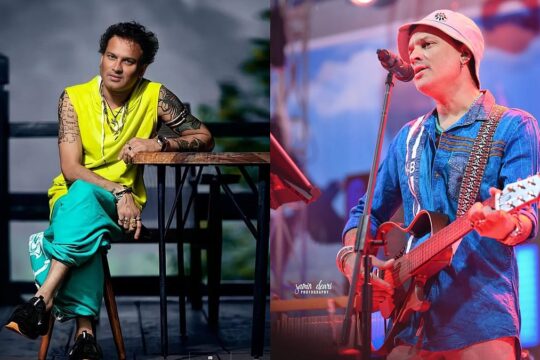
Balendra Shah, better known by his stage name Balen, was born in 1990 in the Madhes region of Nepal. A structural engineer by training, he first captured public attention through Nepal’s vibrant hip-hop scene, often referred to as “Nep-hop.” His early rap tracks were raw, critical of corruption, inequality, and the disconnect between Nepal’s political elite and ordinary citizens.
Balen’s music resonated deeply with Nepal’s youth, who saw in his lyrics a voice against systemic failures. Before entering formal politics, he built a loyal fan base by addressing issues like urban mismanagement in Kathmandu, unemployment, and the influence of traditional parties that had dominated Nepali politics for decades.
His transition to politics came when he ran for and won the position of Mayor of Kathmandu Metropolitan City. As mayor, Balen Shah quickly became a national figure by clashing repeatedly with the federal government housed at Singha Durbar — the iconic complex symbolizing centralized power in Nepal. He positioned himself as a champion of local autonomy, accusing the central establishment of obstructing Kathmandu’s development and right to self-governance.
One incident that epitomized this tension occurred in September 2023. When police stopped a Kathmandu Metropolitan City (KMC) vehicle carrying his wife on a public holiday, Balen took to social media with a fiery post: “…if any of our KMC vehicles are stopped by the govt (in future), I will set Singha Durbar on fire.” He later deleted the remark, but it cemented his image as a bold, no-holds-barred leader unafraid to challenge authority. Critics labeled it impulsive; supporters saw it as authentic frustration with bureaucratic hurdles.
During the “Adipurush” controversy in June 2023, Balen further burnished his nationalist credentials. A dialogue in the Indian film referring to Sita as the “daughter of India” sparked widespread protests in Nepal, where many believe Sita was born in Janakpur. As mayor, Shah banned the screening of Indian films in Kathmandu and defied a court order to lift the ban. This move drew praise from nationalists but criticism from those who viewed it as overreach and potential diplomatic strain with India.
These episodes highlighted Balen Shah’s confrontational yet populist style — a trait that propelled him from local mayor to national leader.
The Gen Z Protests of 2025: Catalyst for Political Change in Nepal
The path to Nepal’s new PM Balendra Shah swearing-in today traces directly to the explosive Gen Z protests in September 2025. Triggered initially by the KP Sharma Oli government’s decision to ban several social media platforms amid growing discontent, the demonstrations quickly evolved into a broader anti-corruption and anti-establishment movement.
Young Nepalis, frustrated with high unemployment, economic stagnation, nepotism, and perceived misgovernance, took to the streets of Kathmandu and other cities. Protests turned violent, with reports of police firing resulting in casualties, including at least 19 deaths in one day. Singha Durbar itself faced attacks, with fires reported during the unrest. The Oli government was accused of delaying firefighter response from KMC, a charge Balen Shah firmly rejected.
The uprising forced KP Sharma Oli to resign, creating a political vacuum. The army temporarily stepped in to maintain order, but the demand for systemic change led to early elections — the March 5, 2026 polls. This was Nepal’s first general election post-protests, and voters delivered a clear verdict against the old guard.
RSP, a relatively new party founded just four years ago and initially associated with chairman Rabi Lamichhane, positioned itself as a fresh, reform-oriented alternative. Balendra Shah emerged as its star face and prime ministerial candidate, channeling the energy of the youth revolution.
RSP’s Landslide Victory: Decimating Traditional Parties in Nepal Election 2026
In a result that stunned political analysts, the Rastriya Swatantra Party swept to power with 182 seats — one of the largest mandates in Nepal’s democratic history under the current electoral system. This near two-thirds majority (just short of a supermajority) allows RSP to form a stable government without relying on coalitions, a rarity in Nepal’s fragmented politics.
Balendra Shah himself won his parliamentary seat convincingly, defeating veteran KP Sharma Oli in a direct contest in Jhapa-5 by a significant margin. The victory symbolized the defeat of experience by youthful vigor and anti-establishment sentiment.
On Thursday, the RSP central committee and newly elected parliamentary members unanimously chose Balen as the leader of the Parliamentary Party. Party chairman Rabi Lamichhane proposed the move, which was endorsed without dissent. This formal step cleared the way for President to appoint him as Prime Minister, with the swearing-in scheduled for Friday on Ram Navami — an auspicious date adding cultural and symbolic weight.
Balen will also make history as the first person from the Madhes region to hold Nepal’s top executive post, further broadening representation in a country often divided along regional and ethnic lines.
Balen Shah’s Patriotic Rap Release: Music Meets Politics on the Eve of Oath
Even as he prepares for the highest office, Balendra Shah has not abandoned his artistic roots. On Thursday, he released (or re-released with fresh additions) a patriotic track promoting national unity. The song, featuring scenes from his election campaign, garnered over 150,000 views on YouTube within hours of release, according to reports.
The video, originally from a decade ago, now incorporates campaign footage, blending his musical past with his political present. Lyrics emphasize themes like “The strength of unity is my national power,” resonating with calls for healing after turbulent times. Sources indicate two more new songs are in the pipeline soon.
This move reinforces Balen’s unique brand — a leader who connects with youth through culture while addressing serious governance issues. His music has always been a tool for social commentary; now it serves as a bridge to consolidate support for his upcoming government.
Challenges Ahead for Nepal’s New PM Balendra Shah
While the mandate is overwhelming, governing Nepal will test Balen Shah’s leadership. Key issues include:
- Economic Recovery and Youth Employment: The Gen Z protests highlighted deep frustrations over jobs and opportunities. RSP has promised anti-corruption drives and better governance to boost the economy.
- Federalism and Local Empowerment: Having clashed with Singha Durbar as mayor, Balen now governs from it. Balancing central authority with local rights will be crucial.
- Foreign Relations: Especially with India and China, given Nepal’s strategic location. Past actions like the film ban showed nationalist streaks, but diplomacy requires pragmatism.
- Institutional Reforms: Tackling corruption, improving service delivery, and addressing the demands that fueled the 2025 uprising.
- Inexperience Concerns: At 35, with limited national-level experience, critics question whether Balen can manage complex coalition dynamics (even if currently unnecessary) and bureaucratic machinery.
Supporters counter that his fresh perspective and direct mandate from voters provide the legitimacy needed for bold reforms.
What Balen Shah’s Leadership Means for Nepal’s Future
Nepal’s new PM Balendra Shah represents a broader shift in South Asian politics — where youth discontent translates into electoral upheaval. His rise echoes global trends of anti-incumbent, populist waves driven by social media-savvy leaders.
As the first Madheshi PM, he has an opportunity to address long-standing regional grievances. His emphasis on unity in the new song signals an inclusive approach.
The swearing-in on Ram Navami adds a layer of cultural resonance, potentially helping unify a diverse nation around shared heritage and forward-looking governance.
Analysts will watch closely how Balen transitions from confrontational mayor to consensus-building national leader. Will he “set Singha Durbar on fire” metaphorically through radical reforms, or focus on steady, transparent administration?
Early signals suggest a mix: continuing his anti-corruption rhetoric while leveraging his artistic appeal to engage citizens directly.
Broader Implications: A New Era in Nepali Democracy
The RSP’s victory and Balen Shah’s impending oath signal the end of an era dominated by a few traditional parties. Nepal’s voters have signaled a desire for change, accountability, and youth inclusion.
This election also highlights the power of digital platforms and cultural figures in modern politics. Balen’s rap background helped him build a personal brand that traditional politicians lacked.
For neighboring countries and the international community, a stable, reform-minded Nepal under a young leader could open new avenues for cooperation in trade, tourism, hydropower, and climate resilience — areas where the Himalayas play a critical global role.
Conclusion: A Historic Day for Nepal
As Balendra “Balen” Shah prepares to take oath today as Nepal’s new PM, the nation stands at a crossroads of hope and high expectations. From rapping against the system to running it, his journey embodies the aspirations of a young, frustrated generation that demanded — and achieved — change.
Whether his government delivers on promises of unity, anti-corruption, and development will define not just his tenure but the trajectory of Nepali democracy in the coming years.
The eyes of Nepal — and the world — are on Singha Durbar today. On this Ram Navami, as prayers for prosperity rise, a new chapter begins with a rapper-turned-leader at the helm.
Stay tuned to our news website for live updates on the swearing-in ceremony, Balen Shah’s first policy announcements, reactions from political parties, and in-depth analysis of what Nepal’s new PM means for the Himalayan republic.