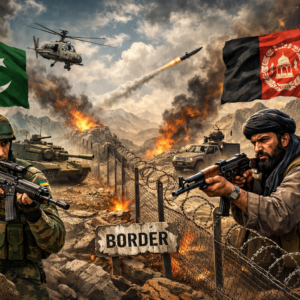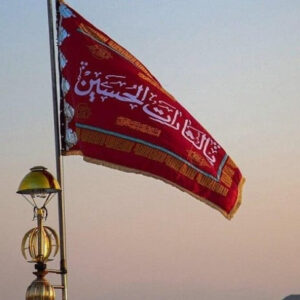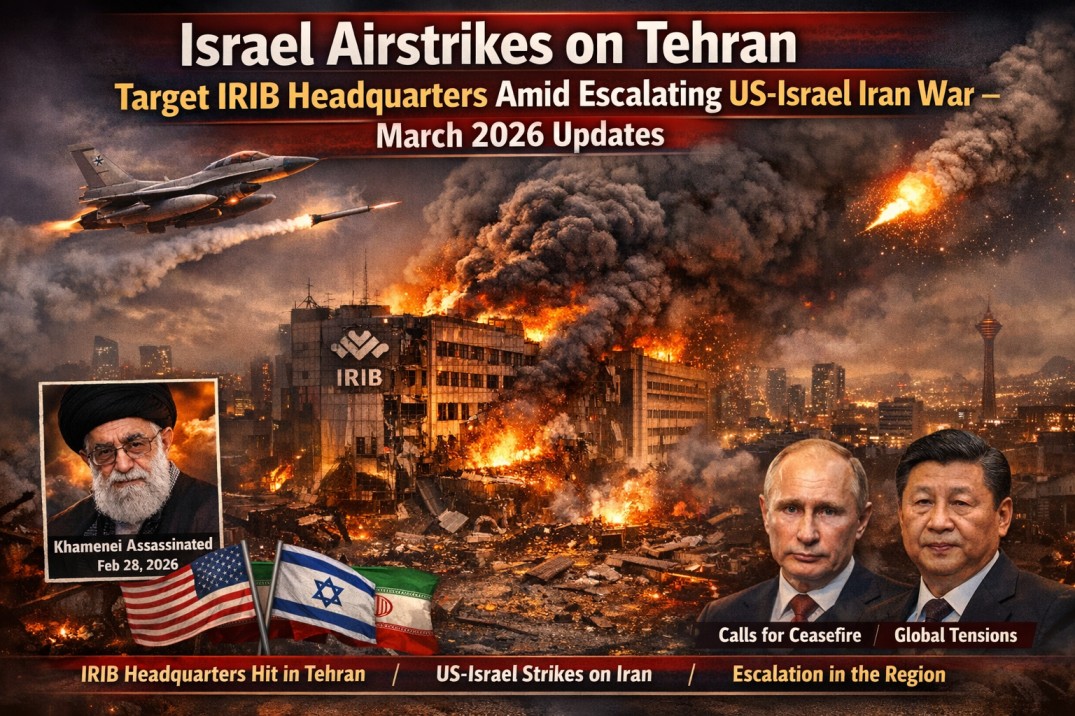
Israel has carried out fresh airstrikes on Tehran, targeting multiple areas in the Iranian capital around midnight on Monday, March 2, 2026. This escalation is part of the ongoing US-Israel strikes on Iran that began on February 28, 2026, following the assassination of Supreme Leader Ayatollah Ali Khamenei.
The strikes hit the headquarters of Iran’s state broadcaster, the Islamic Republic of Iran Broadcasting (IRIB), among other sites. Social media videos show thick black smoke rising from the IRIB building in central Tehran. The full extent of damage and casualty figures remain unconfirmed, though Iranian officials claim no deaths occurred at the site and broadcasting continues uninterrupted.
The Israeli Defense Forces (IDF) issued an evacuation warning for parts of Tehran shortly before the attacks. Within an hour, fighter jets launched dozens of missiles based on precise intelligence. The IDF stated that several offices in the IRIB complex—housing state media and government departments—were destroyed, with warnings of further strikes on Iranian infrastructure.
Iran confirmed the attack on IRIB but downplayed impacts, with Director Jaman Jebelli stating no casualties and no disruption to operations. In contrast, Israeli claims assert significant destruction.
The conflict has intensified dramatically since Khamenei’s killing in initial US-Israeli strikes, prompting Iranian retaliatory missile and drone attacks across the region, including on Israel, US bases, and Gulf states. Russia has called for a ceasefire, with President Vladimir Putin engaging UAE and Kuwait leaders. China condemned the assassination via Foreign Minister Wang Yi, calling regime change efforts unacceptable and urging dialogue.
This article provides in-depth coverage of the Israel airstrikes on Tehran, the targeting of IRIB headquarters, broader US-Israel Iran war, Khamenei’s death implications, international reactions, and potential escalations.
Israel strikes on Tehran Target IRIB Headquarters Amid Escalating US-Israel Iran War – March 2026 Updates
The Escalation Timeline: From Khamenei Assassination to Tehran Strikes
The current phase of the US-Israel strikes on Iran traces back to February 28, 2026, when joint operations—codenamed “Operation Roaring Lion” by Israel and “Operation Epic Fury” by the US—targeted high-value sites in Tehran, Isfahan, Qom, Karaj, and Kermanshah. The primary objective: regime change by eliminating key leadership and degrading military capabilities.
Supreme Leader Ayatollah Ali Khamenei, in power since 1989, was killed in a precision strike on his Tehran compound. Iranian state media confirmed his death, triggering 40 days of national mourning and an Interim Leadership Council takeover. Reports indicate simultaneous strikes killed other officials, including IRGC commanders and defense ministers.
By March 1-2, 2026, strikes expanded. Israel achieved air superiority over Tehran, dropping over 2,000 bombs on regime targets. US forces hit command centers, missile sites, air defenses, and naval assets.
Monday night’s Israel airstrikes on Tehran focused on internal security and propaganda apparatus. The IRIB headquarters—a multi-story complex in central Tehran—was struck around midnight after an evacuation warning. Videos showed massive explosions, black smoke, and fleeing civilians. IRIB, used for regime propaganda, was previously hit in the June 2025 conflict.
IDF statements: Strikes dismantled the “Iranian terrorist regime’s communications centre.” Dozens of missiles from fighter jets targeted intelligence, security, and military sites. Future attacks on government infrastructure were threatened.
Iranian response: IRIB Director claimed no deaths or broadcast disruptions. However, footage suggested significant damage, with some channels interrupted or hacked to air Trump and Netanyahu messages.
Broader Context: Why Tehran and IRIB?
Tehran, Iran’s political heart, houses regime symbols. Targeting IRIB disrupts propaganda, a key regime tool for controlling narratives during crises. Strikes align with goals to weaken internal repression—IRGC, Basij, Law Enforcement Command—potentially sparking unrest.
The campaign follows Iran’s missile/drone barrages on Israel, US bases, Gulf states (including Saudi embassy drone hits), and disruptions like Strait of Hormuz closures affecting global oil.
Casualties: Iranian Red Crescent reports 555+ deaths; Israeli strikes claim precision to minimize civilians, though reports vary.
International Reactions and Diplomacy
- Russia: Putin demands ceasefire, calls Khamenei killing “cynical murder,” engages Gulf leaders.
- China: Wang Yi condemns assassination, rejects forced regime change, pushes dialogue.
- US: President Trump warns war could last 4-5 weeks (or longer), touts strikes as addressing nuclear/missile threats. Urges Americans to leave Middle East.
- Israel: Netanyahu vows “thousands” more targets, calls on Iranians to rise against “tyranny.”
- Others: Gulf states affected; Hezbollah joins with rocket attacks, prompting Israeli Beirut strikes.
UN and others urge de-escalation amid fears of wider war.
Implications: Regional and Global Risks
The US-Israel Iran war risks:
- Nuclear escalation (Natanz hit reported).
- Oil price spikes from Hormuz issues.
- Proxy expansions (Hezbollah, Houthis).
- Refugee crises, economic fallout.
Iran’s leadership vacuum may fuel internal dissent or hardliner consolidation.
As of March 3, 2026, fighting continues with Iranian retaliations and coalition strikes. Monitor for updates on Israel airstrikes on Tehran, IRIB attack, and US-Israel Iran conflict developments. This remains one of the most volatile Middle East crises in decades.