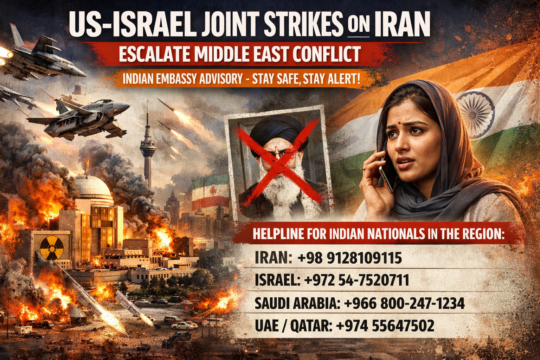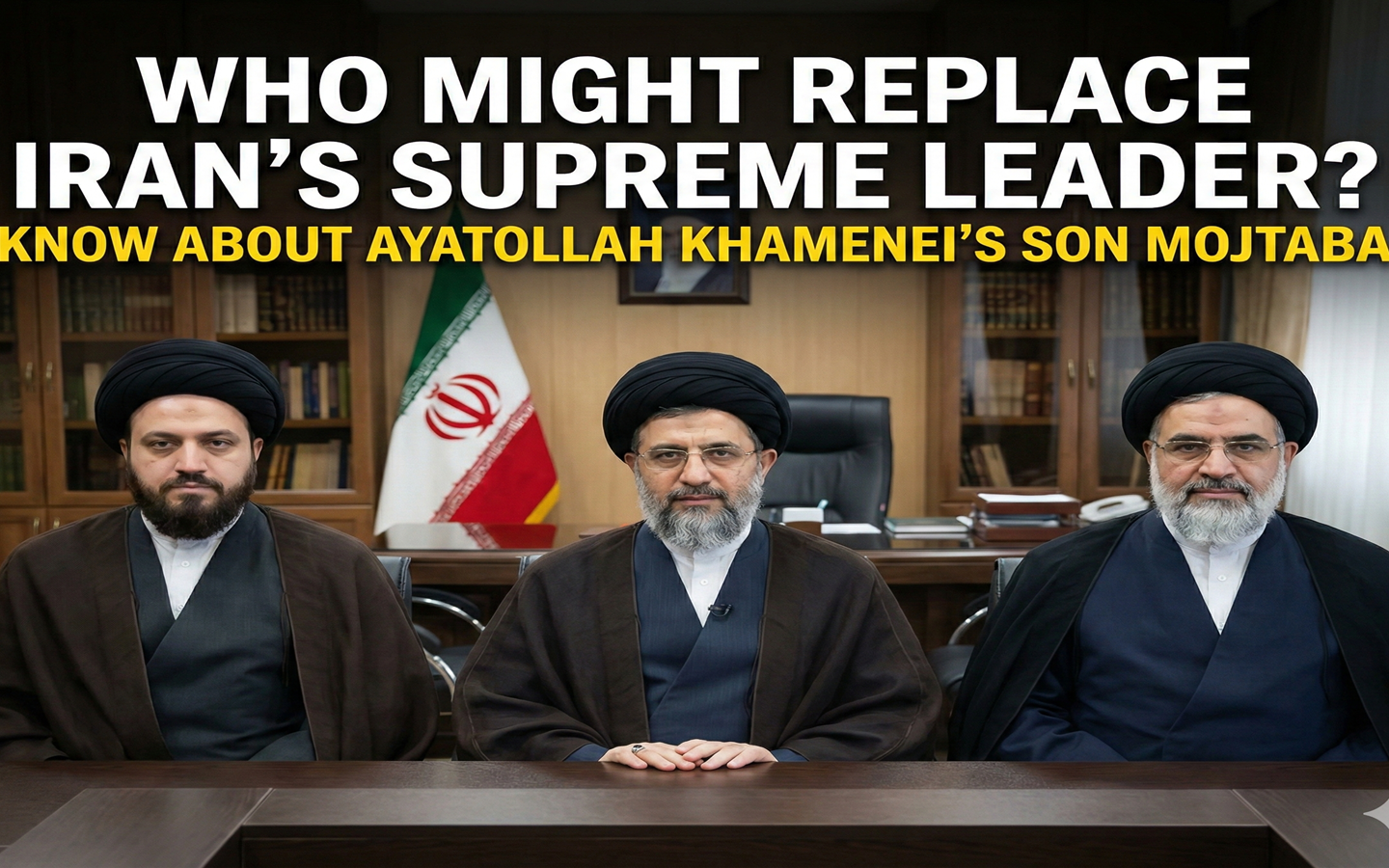
TEHRAN, IRAN — In a seismic shift that has reshaped the Middle East, Iran is grappling with a profound power vacuum following the confirmed death of Supreme Leader Ayatollah Ali Khamenei. State media confirmed early Sunday that the 86-year-old cleric was killed in a joint US-Israel strike on Tehran, an operation that US President Donald Trump described as a pivotal moment for the Iranian people .
As Iran embarks on a 40-day national mourning period, the urgent question of who will become the next Iran new Supreme Leader dominates the future of the Islamic Republic. With the regime under existential threat, a complex struggle for succession has erupted involving hardline factions within the Islamic Revolutionary Guard Corps (IRGC), exiled opposition figures, and the clerical establishment .
The Succession Mechanism: How Iran Chooses a New Leader
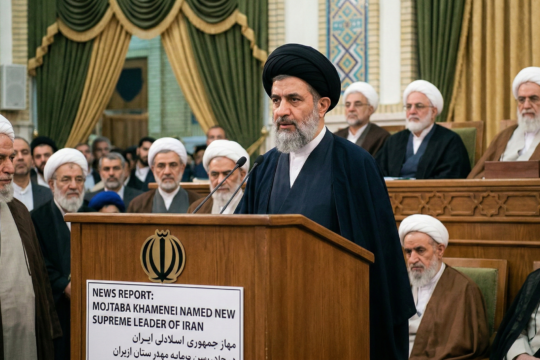
According to the Iranian constitution, the selection of a new Supreme Leader falls to the Assembly of Experts, an 88-member panel of clerics elected for eight-year terms . The assembly is constitutionally mandated to convene “as soon as possible” to designate a successor who must be a cleric embodying the doctrine of vilayat-e faqih (guardianship of the Islamic jurist) .
However, the practical reality of succession in a time of war is fraught with danger. Many members of the assembly are elderly, and the logistics of gathering safely amid ongoing airstrikes remain perilous. In the interim, a temporary leadership council—comprising the President, the Judiciary Chief, and a jurist from the Guardian Council—has been formed to assume the duties of the late leader, according to the state-run IRNA news agency .
Key Contenders for Iran New Supreme Leader
While no official successor was ever named by Khamenei, analysts point to several figures who could potentially fill the void, though each faces significant obstacles.
Mojtaba Khamenei: The Heir Apparent?
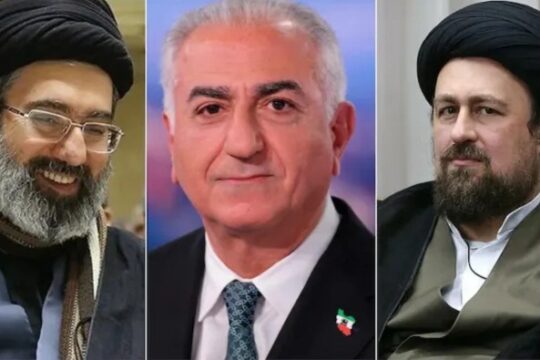
For years, speculation has centered on Mojtaba Khamenei, the 56-year-old second son of the late leader. According to sources familiar with the matter, Mojtaba has long been viewed as the “rational successor” due to his alignment with his father’s hardline policies and his deep, covert ties to the Islamic Revolutionary Guard Corps (IRGC) . He was sanctioned by the US in 2019 for his role in the regime. However, father-to-son succession is deeply controversial in Shia tradition and would evoke comparisons to the monarchy the 1979 revolution overthrew .
Hassan Khomeini: The Conciliatory Figure
Another name gaining traction is Hassan Khomeini, the 53-year-old grandson of the Islamic Revolution’s founder, Ayatollah Ruhollah Khomeini. While he holds immense symbolic legitimacy as the custodian of the Khomeini shrine, he is viewed as a more moderate and conciliatory figure. This very moderation, however, makes him suspect to hardliners. He was notably barred from running for the Assembly of Experts in 2016 and lacks significant ties to the security apparatus .
Alireza Arafi and the Clerical Dark Horses
Beyond the familial names, the assembly may turn to established clerics like Alireza Arafi (67), a deputy chairman of the Assembly of Experts and a confidant of the late Khamenei, or Hashem Hosseini Bushehri. These figures represent the bureaucratic stability of the regime but lack the political heavyweight status or independent power base needed to command the IRGC .
The Shadow of the IRGC: A Military Power Grab?
Experts warn that the clerical process may be overshadowed by the military. The Islamic Revolutionary Guard Corps (IRGC) controls the regime’s security forces, intelligence services, and vast economic networks . In the chaos following the strikes, the IRGC has launched attacks in hopes of consolidating power .
The IRGC is the “most likely actor to dominate Iran’s immediate post-Khamenei transition,” notes analysis from The National Interest . The elevation of a leader directly from the IRGC’s ranks could result in an even more dangerous military confrontation, as the new leader may have “no limits” on waging war to ensure survival . The death of key commanders in the initial strikes has reportedly fragmented the leadership, turning the succession into a survival contest among rival military factions .
Opposition in Waiting: Pahlavi and Rajavi
As the regime fractures, Iran’s opposition movements are jockeying for position, issuing competing visions for a post-Khamenei Iran.
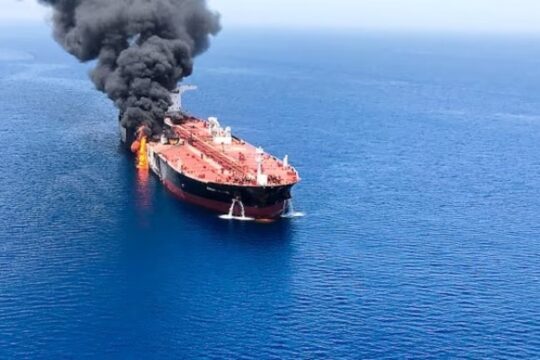
Reza Pahlavi, the exiled crown prince and son of the late Shah, has called the US action a “humanitarian intervention.” In a message on X, he urged Iranians to prepare to return to the streets, warning security forces that they will “sink with Khamenei’s ship” if they continue defending the regime. He promises a blueprint for a democratic, secular transition .
Conversely, Maryam Rajavi, president-elect of the Paris-based National Council of Resistance of Iran (NCRI), calls for the complete overthrow of the “religious fascism” of the clerical regime in favor of a democratic republic. While urging unity, she explicitly “rejects both the Shah and the mullahs,” positioning her organization as a ready-made government-in-exile with a transitional plan .
Global Reaction: Trump Eyes “Good Candidates”
Internationally, the death of Khamenei has been met with starkly divided reactions. US President Donald Trump announced the operation on Truth Social, stating that Khamenei—”one of the most evil people in History”—is dead . Trump has been unambiguous in his goal of regime change, telling the Iranian people that “the hour of your freedom is at hand” .
In a phone interview with CBS News, Trump hinted at US involvement in the political transition, stating that there are “some good candidates” to lead Tehran, though he declined to elaborate on whether the US has a preferred successor . Meanwhile, Israel’s Prime Minister Benjamin Netanyahu hailed the operation, calling on Iranians to “take to the streets en masse” to topple the regime .
As Iran stands on the brink, the world watches to see whether the next Iran new Supreme Leader will emerge from the shadows of the IRGC, the lineage of the Shah, or the will of the streets.