National Round Table Conference 2026: ECI and State Election Commissioners Meet After 27 Years to Strengthen Electoral Synergy
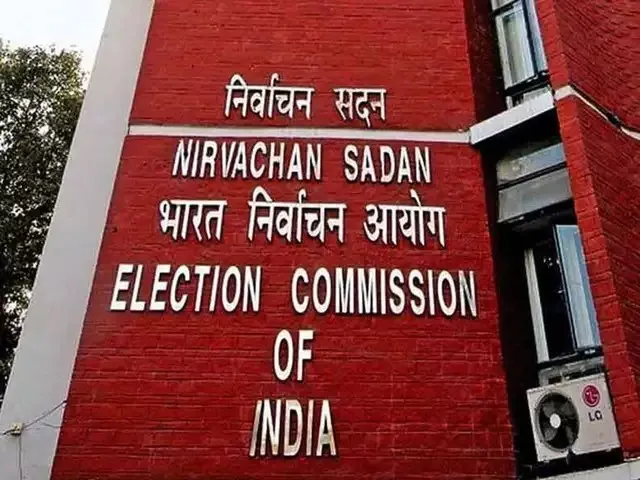
The Election Commission of India (ECI) is gearing up for a landmark event in India’s democratic framework: the National Round Table Conference with State Election Commissioners (SECs). Scheduled for Tuesday, February 24, 2026, at Bharat Mandapam, New Delhi, this high-level gathering marks a significant milestone as it convenes after a remarkable gap of 27 years—the previous such conference took place back in 1999.
This conference underscores the ECI’s commitment to fostering seamless coordination, technological advancement, and cooperative federalism in electoral management across national and state levels. With India’s vast and diverse electoral landscape—covering parliamentary, assembly, panchayat, and municipal elections—this initiative aims to bridge gaps, share best practices, and ensure more transparent, efficient, and inclusive polls nationwide.
What is the National Round Table Conference of ECI and State Election Commissioners?
The National Round Table Conference of ECI and State Election Commissioners is a premier dialogue platform bringing together key stakeholders in India’s election machinery. Chaired by Chief Election Commissioner Gyanesh Kumar, and attended by Election Commissioners Dr. Sukhbir Singh Sandhu and Dr. Vivek Joshi, the event will see participation from:
- State Election Commissioners (SECs) from all states and Union Territories, accompanied by their legal and technical experts.
- Chief Electoral Officers (CEOs) representing all 36 states and Union Territories.
The primary goal is to enhance synergies between the Election Commission of India (ECI) and the State Election Commissions (SECs) while fully respecting their distinct constitutional and legal roles. The ECI oversees Lok Sabha, Rajya Sabha, and state assembly elections, whereas SECs manage elections to local bodies like panchayats and municipalities under the 73rd and 74th Constitutional Amendments.
This rare national-level interaction is designed to promote constructive idea exchange, address common challenges, and reinforce cooperative federalism—a principle that balances central authority with state autonomy in electoral governance.
Historical Context: Why After 27 Years?
The last National Round Table Conference occurred in 1999, a time when India’s electoral system was undergoing significant transformations, including wider adoption of Electronic Voting Machines (EVMs) and expansions in voter registration processes. Since then, the country has witnessed massive changes:
- Exponential growth in voter numbers (now exceeding 97 crore).
- Introduction and evolution of digital tools for voter services.
- Implementation of landmark reforms like linking Aadhaar with voter IDs (voluntary), photo electoral rolls, and cVIGIL for real-time violation reporting.
- Increased focus on accessibility for PwD voters, women, and youth.
- Heightened scrutiny on EVM security and transparency amid evolving cyber threats.
After nearly three decades, this conference arrives at a pivotal moment when technology, logistics, and federal coordination are more critical than ever for sustaining the credibility of the world’s largest democracy.
Key Objectives and Focus Areas of the Conference
The day-long deliberations will center on several high-priority themes:
- Technology Sharing and Digital Transformation
A major highlight will be presentations on the ECINET digital platform—launched recently by the ECI as a unified, one-stop portal integrating over 40 apps and services. ECINET revolutionizes voter engagement by offering seamless access to voter registration, electoral roll search, application tracking, e-EPIC downloads, grievance redressal, and more. Officials will discuss its transformative role in streamlining services and making electoral processes citizen-centric. - Electronic Voting Machines (EVMs): Robustness, Transparency, and Security
Special sessions will delve into EVM safeguards, including tamper-proof design, VVPAT (Voter Verifiable Paper Audit Trail) integration, mock polls, and first-level checks. Discussions aim to address public concerns and reinforce trust in EVMs, which have been used successfully in billions of votes since their full-scale deployment. - Electoral Rolls and Voter Eligibility
A comparative analysis of voter qualification norms across states and UTs—referencing the Representation of the People Act, 1950—will be presented. This will facilitate in-depth talks on harmonizing legal frameworks for electoral roll preparation, deletion of ineligible names, and inclusion of eligible voters, ensuring accuracy and inclusivity. - Strengthening Electoral Processes and Logistics
Topics include poll preparedness, manpower deployment, transport of materials, accessibility measures, and crisis management. Emphasis will be placed on sharing innovative practices from different states to improve efficiency. - Cooperative Federalism in Electoral Management
By respecting the autonomy of SECs under Articles 243K and 243ZA of the Constitution, the conference seeks to build mutual support systems without encroaching on jurisdictions.
Leadership and Participation
- Chief Election Commissioner Gyanesh Kumar will lead the proceedings, bringing his extensive experience in public administration and electoral reforms.
- Election Commissioners Dr. Sukhbir Singh Sandhu and Dr. Vivek Joshi will contribute insights on operational and policy matters.
- SECs and CEOs from every corner of India will ensure diverse regional perspectives, from urban municipal polls in Maharashtra to rural panchayat elections in Assam or remote UTs like Lakshadweep.
This inclusive participation makes the event a true national forum for electoral excellence.
Significance for India’s Democracy
India’s electoral system is often hailed as a global benchmark for scale, fairness, and innovation. However, challenges like urban-rural divides, misinformation, logistical hurdles in difficult terrains, and the need for uniform standards persist. This National Round Table Conference addresses these by:
- Promoting knowledge transfer between ECI and SECs.
- Accelerating adoption of digital tools like ECINET across local body elections.
- Enhancing EVM credibility through transparent discussions.
- Strengthening grassroots democracy via empowered local polls.
In an era of rapid technological change and increasing voter awareness, such collaborative efforts are vital to maintaining electoral integrity and public confidence.
Looking Ahead: Outcomes and Expectations
While the conference is consultative, expected outcomes include:
- Adoption of shared technological frameworks.
- Best-practice guidelines for electoral roll management.
- Enhanced protocols for inter-agency coordination during simultaneous elections (if proposed in future).
- Renewed emphasis on voter education and inclusion.
Post-conference, stakeholders anticipate actionable recommendations that could influence upcoming assembly polls, local body elections, and long-term reforms.
This event reaffirms the ECI’s proactive role in evolving India’s democracy. As the nation prepares for the conference on February 24, 2026, it stands as a beacon of collaborative governance in the world’s largest electoral exercise.