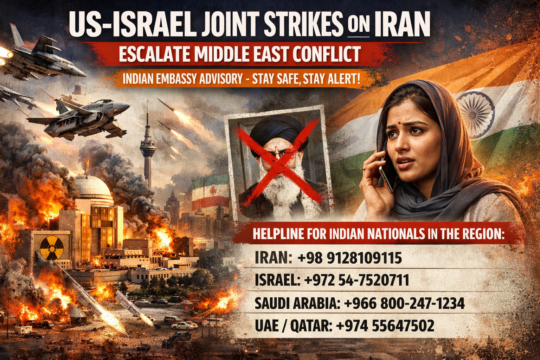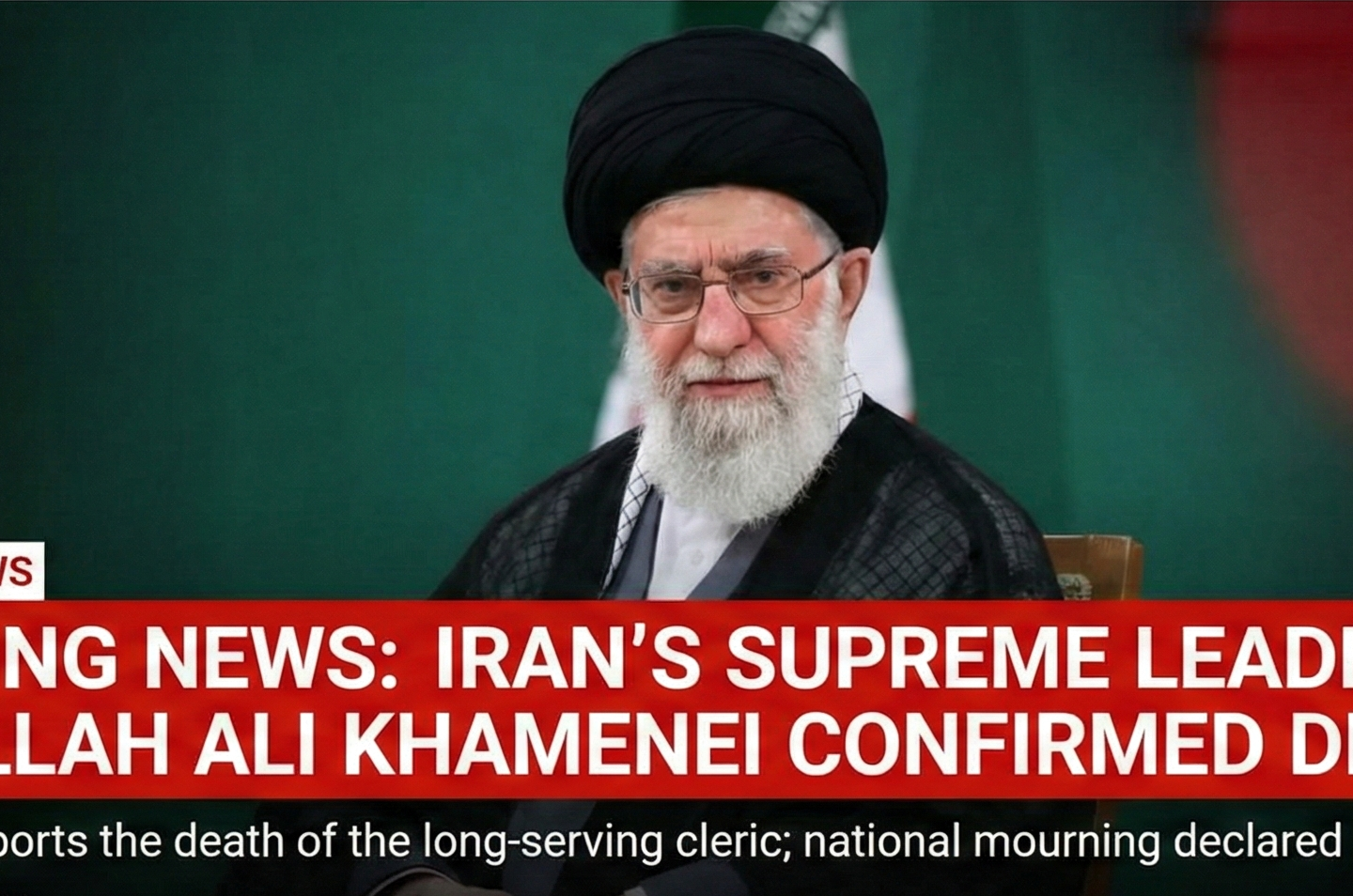
TEHRAN, Iran — In a dramatic escalation of Middle East tensions, Iranian Supreme Leader Ayatollah Khamenei was killed in a massive airstrike conducted by the United States and Israel, Iranian state media confirmed early Sunday. The 86-year-old cleric, who ruled the Islamic Republic with an iron fist for decades, died in the attack on his compound in downtown Tehran, throwing the future of the country into immediate doubt and raising the risk of a wider regional war.
Former President Donald Trump announced the death hours before the official confirmation, stating in a social media post that the leader of what he called “one of the most evil people in History” was dead. Trump framed the assassination as an opportunity for the Iranian people, calling it their “greatest chance” to “take back” their country.
The Attack on Tehran
According to reports from Iranian state television, the strike specifically targeted Khamenei’s office in the heart of the capital. Satellite photos from Airbus confirmed that the site was heavily bombed, leveling buildings in the high-security area. State media’s tribute framed his death as a final act of defiance, stating that by dying at his office, he “showed that he consistently stood among the people and at the forefront of his responsibilities.”
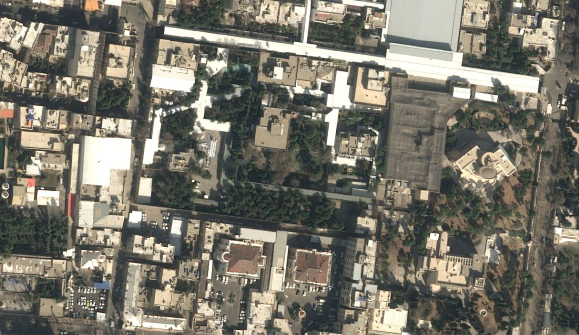
The assault marks the second major strike on Iran during the Trump administration in just eight months. The White House has justified the lethal assault as a necessary measure to disable Iran’s nuclear capabilities. Trump warned of further military action, stating that “heavy and pinpoint bombing” would continue throughout the week.
Immediate Aftermath and Retaliation Fears
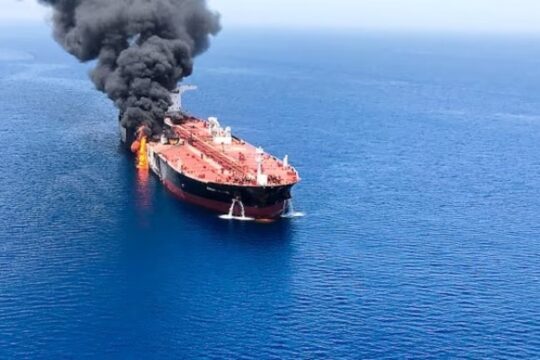
The attack has opened a stunning and volatile new chapter in U.S.-Iran relations. While Iran launched its own counterassault in response to the strikes, the political fallout is seismic. The Iranian Cabinet has vowed revenge, declaring that “this great crime will never go unanswered.” The paramilitary Revolutionary Guard—one of the two main centers of power in the Iranian theocracy, which Khamenei directly led—has threatened to launch its “most intense offensive operation” ever against American and Israeli assets.
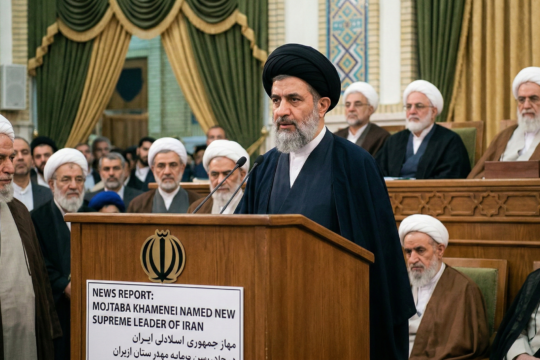
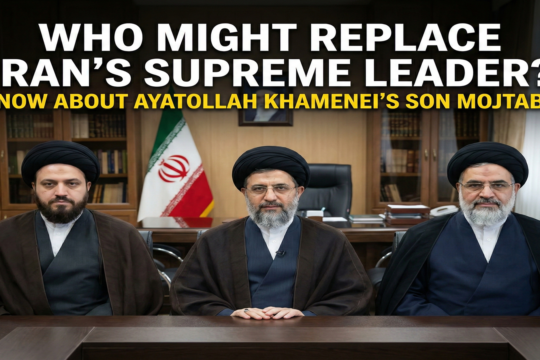
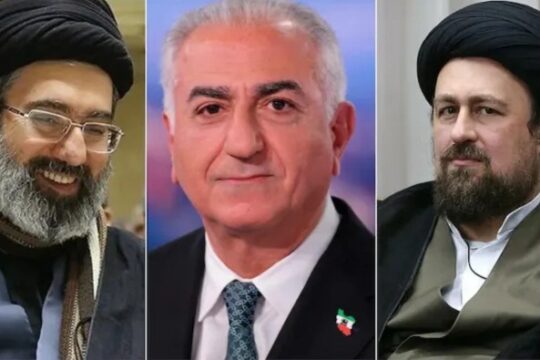
The killing of Khamenei creates a massive leadership vacuum. As Supreme Leader, he held the final say on all major state policies, from nuclear negotiations to military strategy. With no clear, known successor in place, a power struggle within the clerical establishment and the Revolutionary Guard is widely anticipated by geopolitical analysts.
Conflicting Reactions in Tehran
As reports of the death trickled out, the reaction on the streets of Tehran appeared mixed, signaling the deep divisions within Iranian society. Eyewitnesses told The Associated Press that while security forces were on high alert, some residents took to rooftops to rejoice, cheering, blowing whistles, and ululating—a traditional act of celebration that has also been used in recent years to protest the regime.
Casualties: Family Members Also Killed
The human toll extended beyond the Supreme Leader himself. According to the semiofficial Fars news agency, which is believed to be close to the Revolutionary Guard, several of Khamenei’s relatives were also killed in the precision strike. Among the dead are reported to be a daughter, a son-in-law, a daughter-in-law, and a grandchild.
What Happens Next?
With the “axis of resistance” losing its central figurehead, the coming days are critical. The U.S. has positioned itself for continued military action, while Iran’s leadership scrambles to present a united front and plan its retribution. For a president who swept into office on an “America First” platform vowing to avoid “forever wars,” the strike represents a startling flex of military might that carries the potential for retaliatory violence on a global scale.