Assam Government Allocates 10 Bighas of Land for Zubeen Kshetra: A Grand Memorial to Honor Late Icon Zubeen Garg’s Legacy in Guwahati
Zubeen Kshetra: Assam’s Tribute to the Immortal Legacy of Zubeen Garg
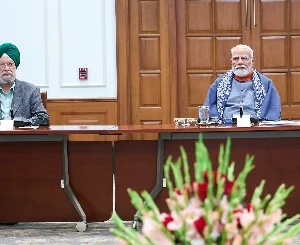
Guwahati, March 11, 2026 – In a heartfelt move that resonates deeply with millions of fans across Assam and the Northeast, the Assam Cabinet, chaired by Chief Minister Himanta Biswa Sarma, has officially approved the allocation of 10 bighas of prime land for the development of Zubeen Kshetra – a dedicated memorial complex honoring the life, music, and cultural contributions of the late legendary Assamese singer Zubeen Garg.
The decision, announced on March 10 following the Cabinet meeting, marks a significant step toward preserving the memory of one of Assam’s most beloved cultural icons. Chief Minister Sarma emphasized that the land will be formally handed over to the state’s Cultural Affairs Department, which will oversee the construction, management, and long-term upkeep of Zubeen Kshetra. This initiative transforms an already emotionally charged site into a formal cultural landmark that celebrates Garg’s unparalleled influence on Assamese music, cinema, literature, and society.
The Emotional Origins of Zubeen Kshetra
Zubeen Kshetra originated organically after the tragic demise of Zubeen Garg on September 19, 2025, in Singapore. The 52-year-old music maestro, known for his soul-stirring voice and versatile artistry, passed away due to drowning following a medical emergency during a sea outing (initial reports cited a scuba-diving incident). His sudden death sent shockwaves through the Northeast and beyond, leaving fans, fellow artists, and the entire cultural fraternity in profound grief.
Garg’s last rites were performed in Guwahati amid an outpouring of love, with lakhs of admirers gathering to bid farewell. The cremation took place at a site in Hatimura, Kamarkuchi, Sonapur – approximately 25 km from Guwahati. What began as a place of final rest quickly evolved into a pilgrimage spot. Fans started visiting regularly to pay homage, light lamps, offer flowers, and sing his timeless songs. Over the months, the location naturally came to be known as Zubeen Kshetra, reflecting the deep emotional bond people shared with the artist.
Recognizing this spontaneous reverence and the site’s growing cultural importance, the Assam government intervened to formalize its development. The allocation of 10 bighas ensures ample space for a comprehensive memorial complex, including a samadhi (resting place), tribute areas, and facilities to honor Garg’s legacy.
What to Expect at Zubeen Kshetra
Officials have outlined ambitious plans for Zubeen Kshetra. Beyond serving as a memorial and samadhi, the site will function as a vibrant cultural space. It will celebrate Zubeen Garg’s immense contributions through exhibits on his life, interactive displays of his musical journey, archives of his songs and films, and possibly performance areas for emerging artists inspired by him.
The complex aims to preserve his artistic heritage while providing a serene yet inspiring environment for admirers to reflect, remember, and celebrate. Previous reports indicate that designs for a memorial monument have been prepared, and tenders for infrastructure like boundary walls, access roads, and site development have already been floated by the Public Works Department (PWD), with estimated costs running into crores.
This development underscores the government’s commitment to honoring cultural icons who shape Assam’s identity. Zubeen Kshetra is poised to become a landmark not just for locals but for tourists exploring Northeast India’s rich artistic traditions.
Zubeen Garg: The Icon Behind the Legacy
To understand the significance of Zubeen Kshetra, one must revisit the extraordinary life of Zubeen Garg. Born on November 18, 1972, in Tura, Meghalaya, as Zubeen Borthakur, he hailed from a culturally rich Assamese Brahmin family. From a young age, his passion for music shone through – he began singing at three and released his debut Assamese album Anamika in 1992 at just 19.
Garg’s career spanned over three decades, during which he became one of the most influential and highest-paid singers in Assam. He sang over 38,000 songs in more than 40 languages and dialects, blending folk, pop, romantic ballads, and contemporary styles. His breakthrough national fame came with the 2006 Bollywood hit “Ya Ali” from the film Gangster, which topped charts and introduced his voice to a pan-Indian audience.
Beyond singing, Garg was a multi-talented powerhouse: composer, lyricist, multi-instrumentalist, music director, actor, film director, producer, screenwriter, and poet. He directed music for over 24 Assamese films and acted in several, including Mon Jai and Mission China. His accolades include the prestigious National Film Award for Best Music Direction (Non-Feature Film) for Echoes of Silence (55th National Film Awards), Global Indian Film Award for “Ya Ali”, multiple Prag Cine Awards, and Filmfare (East) honors.
Garg’s influence extended to philanthropy and social activism. He used his platform to address issues in Assam, earning respect as a fearless voice for the region. Married to Garima Saikia Garg since 2002, he left behind a family and a fanbase that spans generations.
Why Zubeen Kshetra Matters for Assam’s Cultural Future
The creation of Zubeen Kshetra is more than a memorial – it’s a symbol of Assam’s pride in its cultural heritage. In an era of rapid change, such spaces ensure that legends like Zubeen Garg continue inspiring youth. The site will likely host events, music workshops, and tributes, fostering new talent while keeping his music alive.
Chief Minister Sarma’s announcement highlights the emotional and cultural weight of this decision. As he noted, Zubeen Kshetra will provide a dedicated place for admirers to connect with the artist’s spirit.
Fans have long awaited formal recognition of the site, and this Cabinet approval brings that vision closer to reality. With ongoing developments, Zubeen Kshetra is set to become a beacon of Assamese pride, drawing visitors from across India and the world.
As Assam moves forward with this tribute, Zubeen Kshetra stands as a testament to the enduring power of music and the unbreakable bond between an artist and his people. Zubeen Garg may be gone, but through Zubeen Kshetra, his melodies will echo forever.