Explosive: Over 3000 Protesters Arrested as CJP Protest Completely Fails in Delhi – Kejriwal, Sisodia Detained, 45 Metro Stations Shut
Explosive: Over 3000 Protesters Arrested as CJP Protest Completely Fails in Delhi
New Delhi, October 10 – In a dramatic and high-intensity security operation, Delhi Police completely dismantled a major protest called by the Cocoroch Janata Party (CJP) demanding the resignation of Chief Election Commissioner Gyanesh Kumar. By Saturday evening, authorities confirmed that more than 3000 protesters had been arrested across the national capital, six police personnel including a woman officer were injured, and 45 metro stations remained shut for security reasons. The CJP protest, which aimed to highlight alleged irregularities in the election process, ended in complete failure as police prevented any significant gathering at the designated site of Jantar Mantar.
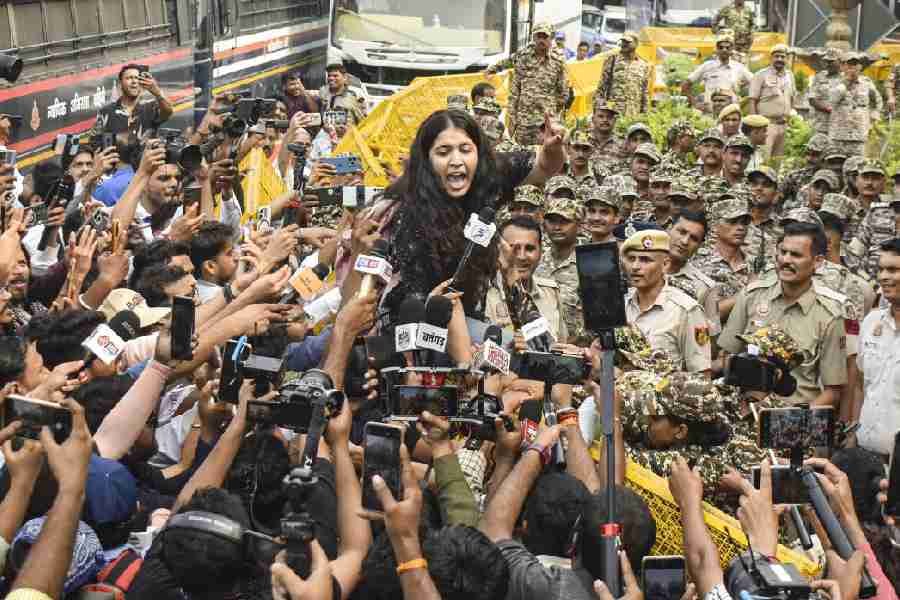
The protest call by CJP had generated considerable anticipation in political circles. Party leaders and supporters planned to converge at Jantar Mantar to demand the immediate resignation of CEC Gyanesh Kumar, citing long-standing concerns over the functioning of the Election Commission of India. However, Delhi Police launched a pre-emptive and large-scale operation from early Saturday morning. Officers intercepted and detained people heading towards the protest venue from multiple locations across the city. According to official police figures, the number of those taken into custody had already crossed the 3000 mark by the afternoon, with arrests continuing in various parts of Delhi.
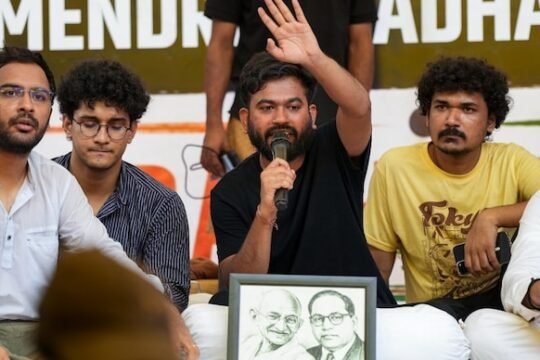
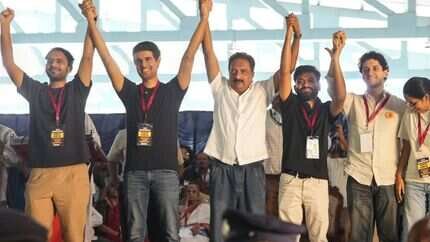
Simultaneously, the Aam Aadmi Party (AAP) also staged its own demonstration against the Election Commission. During the AAP protest, senior leaders including former Delhi Chief Minister Arvind Kejriwal and senior leader Manish Sisodia were arrested along with several other party members. The detention of high-profile AAP figures added another layer of political intensity to the day’s events and drew sharp reactions from opposition ranks.
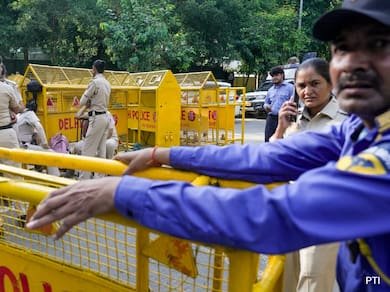
The security measures put in place were extensive. Forty-five metro stations that had already been closed from 9 pm on Friday night remained shut until 10 pm on Saturday. Authorities cited security concerns as the reason for the prolonged closure, which disrupted normal movement for thousands of daily commuters. The heavy police presence and the scale of preventive arrests effectively ensured that the CJP call for a large public demonstration never materialised into a visible protest at Jantar Mantar.
Social activist and education reformer Sonam Wangchuk strongly criticised the police action. He described the mass arrests of students, lawyers, journalists and ordinary citizens who wanted to protest against perceived loopholes in the electoral system and the functioning of the Chief Election Commissioner as the creation of an “undeclared emergency” in the country. Wangchuk’s remarks quickly circulated on social media and among civil society groups, amplifying the debate around the right to peaceful protest versus the maintenance of public order.
Throughout Saturday, multiple skirmishes broke out between protesters and security forces at different locations. Police officials stated that in several places protesters hurled stones at personnel, resulting in injuries to six officers, including one woman constable. The situation remained tense for much of the day as police continued to disperse small groups attempting to assemble.
Political reactions poured in quickly. Prashant Kishor, head of Jan Suraj, commented on the broader context. He said that a significant section of society has been dissatisfied with the working of the Election Commission over the past eight to ten years and the manner in which elections have been conducted. Kishor emphasised that the issue was not limited to Gyanesh Kumar alone but concerned the entire electoral process. He listed several areas of concern: changes in Forms 6 and 7 used for preparing voter lists, deletion of names through the Special Intensive Revision (SIR) process, the scheduling of elections, the implementation of the model code of conduct, and allegations of irregularities during vote counting. According to Kishor, the Election Commission and its officials appear to have assisted the ruling party in all these processes.
The CJP protest had been framed around the demand for the resignation of the Chief Election Commissioner. Supporters of the call argued that public confidence in the electoral machinery needed restoration. Critics of the protest, however, maintained that the timing and method of the demonstration risked public disorder and that legitimate grievances should be addressed through institutional channels rather than street protests that could turn violent.
By the end of the day, the combination of mass preventive arrests, the detention of senior AAP leaders, the closure of major metro stations, and the physical confrontations had ensured that no large-scale gathering took place. Police described the operation as successful in maintaining law and order. Opposition voices and civil society activists, on the other hand, termed the response disproportionate and an attack on democratic rights.
The events of October 10 have once again brought the functioning of the Election Commission into sharp political focus. Questions about voter list revisions, the scheduling of elections, the enforcement of the model code of conduct, and the transparency of the counting process continue to be raised by opposition parties and independent observers. While the CJP protest itself was rendered completely ineffective by the scale of the police response, the underlying issues it sought to highlight are likely to remain subjects of political contention in the coming weeks and months.
Delhi Police have indicated that those arrested will be processed according to law. Many are expected to be released after verification, while some may face formal charges depending on their role in the stone-pelting incidents. The metro network is scheduled to return to normal operations after the temporary security restrictions end. Political parties are already preparing their next moves, with some planning legal challenges and others intensifying their campaign on electoral reforms.
The day’s developments underscore the deep polarisation that currently surrounds institutions of electoral governance in India. On one side stand those who insist that the Election Commission has maintained fairness and independence; on the other side are voices that claim systematic bias and demand accountability at the highest level, including the resignation of the Chief Election Commissioner. The failed CJP protest and the accompanying arrests of AAP leaders have added fresh fuel to this ongoing debate.
As the national capital returns to routine after a day of high tension, the political and legal fallout from the arrests of more than 3000 people, the injury to six police personnel, the detention of Arvind Kejriwal and Manish Sisodia, and the strong criticism from figures such as Sonam Wangchuk will continue to dominate headlines and political discourse. The demand for the resignation of CEC Gyanesh Kumar may have been physically blocked on the streets of Delhi, but the questions raised about the electoral process are far from settled.