Mahalaya 2026 Date, Significance & Tarpan Rituals for Durga Puja Season
Mahalaya 2026 marks one of the most emotionally charged and spiritually significant days in the Hindu calendar. Falling on Saturday, October 10, 2026, this sacred occasion brings together two powerful traditions: the final day of Pitru Paksha dedicated to ancestors and the traditional start of the Durga Puja festive season in Bengal and eastern India. Known also as Sarva Pitru Amavasya or Mahalaya Amavasya, the day carries deep meaning for millions of families across India and the Bengali diaspora worldwide.
For those searching for accurate information on Mahalaya 2026, this comprehensive guide covers the exact date, tithi timings, rituals, cultural importance, and its direct connection to the upcoming Durga Puja celebrations. Whether you are preparing for ancestral Tarpan or eagerly awaiting the first notes of Mahishasuramardini, everything you need is here.
Exact Date and Tithi Timings for Mahalaya 2026
Mahalaya 2026 will be observed on Saturday, October 10, 2026. According to reliable Panchang sources, the Amavasya Tithi begins at approximately 9:35 PM on Friday, October 9, 2026, and ends at 9:19 PM on Saturday, October 10, 2026. Since the tithi prevails during sunrise on October 10, the entire day is dedicated to Mahalaya observances.
In the Bengali calendar, the date corresponds to 23 Ashwin 1433. This Amavasya falls in the Krishna Paksha of the month of Ashwin (also called Ashwayuja). It is the concluding day of the 15- or 16-day Pitru Paksha fortnight, a period when Hindus perform Shraddha and Tarpan for their departed ancestors.
Pitru Paksha itself begins around September 27, 2026, and culminates on this Amavasya. On Sarva Pitru Amavasya, special emphasis is placed on performing rituals for all ancestors, including those whose exact death tithi is unknown. This makes Mahalaya 2026 particularly important for families seeking to offer collective peace and blessings to their lineage.
Spiritual Significance of Mahalaya
The word “Mahalaya” combines “Maha” (great) and “Alaya” (abode or gathering), symbolizing the great assembly of ancestral souls. On this day, it is believed that the gates between the world of the living and the realm of the ancestors open fully, allowing offerings to reach the Pitrs. Performing Tarpan and Shraddha on Mahalaya is said to bring peace, prosperity, and the blessings of the departed to the family.
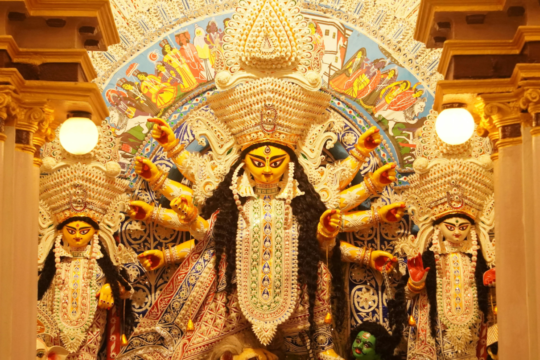
Beyond ancestral rites, Mahalaya holds a unique place in Bengali culture. It is regarded as the moment when Goddess Durga begins her journey from Mount Kailash to her parental home on Earth. This marks the transition from Pitru Paksha (the dark fortnight of remembrance) to Devi Paksha (the bright fortnight of the Divine Mother). The popular phrase “Maa Asche” — Mother is coming — captures the collective emotion that sweeps across Bengal at dawn on Mahalaya.
This dual significance makes Mahalaya 2026 a day of both solemn gratitude and joyful anticipation. While families across India focus on Pitru Tarpan, in West Bengal, Assam, Odisha, and among Bengali communities worldwide, the day simultaneously launches the countdown to Durga Puja.
Connection to Durga Puja 2026
Mahalaya does not mark the start of the five main days of Durga Puja, yet it is inseparable from the festival’s emotional and cultural beginning. In 2026, Sharad Navaratri and Devi Paksha begin the very next day, on October 11. The principal Durga Puja days follow shortly:
- Maha Shashthi: around October 16
- Maha Saptami: October 17
- Maha Ashtami and Maha Navami: October 18–19
- Vijaya Dashami: around October 20–21
The short gap of only about a week between Mahalaya and the main Puja days intensifies the festive excitement. Artisans in Kumartuli complete the final touches on Durga idols, including the sacred Chokkhu Daan (painting of the eyes), which traditionally takes place on or around Mahalaya. Pandals begin to take shape, dhaak drums are tuned, and the fragrance of shiuli and kash flowers fills the autumn air.
Key Rituals Observed on Mahalaya 2026
1. Tarpan and Shraddha
The primary ritual is Tarpan — the offering of water mixed with sesame seeds (til), barley, rice, milk, and flowers to the ancestors. Performed while facing south, preferably on a riverbank or seashore, the ritual is accompanied by specific mantras. One common invocation is “Om Agacchantu me pitar, grahantu jalanjalim” (O my ancestors, please come and accept this water offering).
Shraddha ceremonies involving food offerings (Pinda Daan) are also performed. Charity in the form of food, clothes, and donations to Brahmins or the needy is highly recommended. Many families observe a vegetarian diet and avoid auspicious ceremonies on this day.
2. Early Morning Mahishasuramardini Broadcast
For generations of Bengalis, Mahalaya morning is incomplete without the iconic All India Radio programme Mahishasuramardini. Narrated by the legendary Birendra Krishna Bhadra, the 90-minute recital of Chandi Path and the story of Goddess Durga’s victory over Mahishasura is traditionally aired at 4 AM. In 2026, listeners can tune in via radio or official YouTube channels. The powerful narration, combined with classical music, creates an atmosphere of devotion that has remained unchanged for decades.
3. Chokkhu Daan and Idol Preparations
In the potter quarters of Kolkata and other cities, the eyes of the clay idols of Goddess Durga are painted on Mahalaya. This ritual symbolizes the awakening of the Goddess and her readiness to descend to Earth.
4. Home and Community Observances
Many households begin informal preparations for Durga Puja — cleaning the house, arranging puja items, and listening to devotional songs. Community clubs finalize pandal themes and decoration plans.
City-Wise Considerations and Practical Tips
Although the main date remains October 10 across India, local sunrise and Aparahna timings for Tarpan may vary slightly. Devotees in different cities should consult local Panchang or temple authorities for precise Muhurat. In West Bengal, Mahalaya is often observed as a public holiday, allowing people to participate fully in dawn rituals and family gatherings.
Practical advice for Mahalaya 2026:
- Wake early for the radio broadcast and Tarpan.
- Prefer natural water bodies for offerings when possible.
- Prepare simple satvik food for ancestral offerings.
- Involve younger family members to pass on the tradition.
- Combine remembrance of ancestors with prayers for the well-being of the living.
Cultural Symbols That Signal the Season
Several sensory markers announce that Durga Puja is near after Mahalaya: the white-and-orange shiuli flowers, tall kash phool swaying in the breeze, the rhythmic beat of the dhaak, the smell of fresh clay idols, and the collective excitement in neighbourhoods. These elements transform ordinary autumn days into a season of shared cultural memory.
Why Mahalaya 2026 Matters
In an increasingly fast-paced world, Mahalaya offers a moment of pause — a day to honour those who came before us and to welcome the protective energy of the Divine Mother. The seamless blend of ancestral duty and festive joy makes it unique among Hindu observances. For Bengalis especially, the day carries generational nostalgia linked to the voice of Birendra Krishna Bhadra and the promise of Maa Durga’s arrival.
As October 10, 2026 approaches, families will once again gather at dawn, offer water to the ancestors, and listen to the ancient story of good triumphing over evil. Mahalaya 2026 is not merely a date on the calendar; it is the spiritual and emotional gateway to one of the most vibrant festival seasons in India.
Whether you perform Tarpan by the Ganga, tune into Mahishasuramardini from another continent, or simply feel the festive air in your neighbourhood, this Mahalaya invites reflection, gratitude, and joyful anticipation. Mark the date, prepare the rituals, and welcome both the blessings of the ancestors and the arrival of the Goddess.
Mahalaya 2026 — a day of remembrance, a day of beginning, and a day of profound connection between past, present, and the divine.