New Delhi: In a significant shift for India’s school education landscape, the National Council for Educational Research and Training (NCERT) has officially been granted the status of a deemed-to-be university. The move, confirmed by officials on Thursday, now allows the autonomous body to confer its own degrees.
The Union Ministry of Education issued a formal notification stating that the decision was taken on the advice of the University Grants Commission (UGC). The new status applies to NCERT along with its six constituent units spread across the country.
What Does the New Status Include?
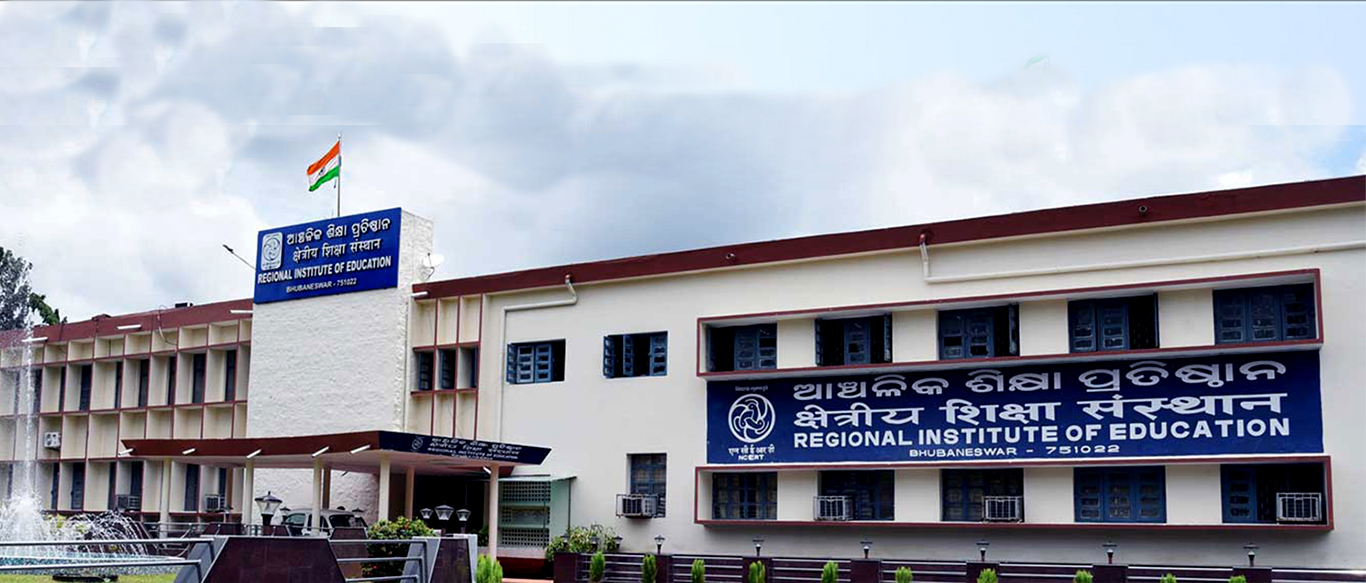
The six constituent units that fall under this mandate include the Regional Institutes of Education (RIEs) located in Ajmer, Bhopal, Bhubaneswar, Mysuru, and Shillong. Additionally, the Pandit Sunderlal Sharma Central Institute of Vocational Education in Bhopal is also part of the declaration.
Until now, graduate and postgraduate programmes offered by these RIEs were tied to local universities. For instance, the Bhopal RIE was affiliated with Barkatullah University, while the Ajmer centre followed M D S University. Others were linked to the University of Mysuru, Utkal University in Bhubaneswar, and the North-Eastern Hill University in Shillong. With the new tag, NCERT can break away from these affiliations and design and award its own degrees.
The ‘De Novo’ Category and Key Conditions
The idea to elevate NCERT’s status is not entirely new. Three years ago, the Centre had approved granting it a deemed-to-be-university position under the ‘De Novo’ category. A De Novo deemed university typically refers to an institution that applies to the UGC to set up a new teaching and research facility in emerging or unique areas of knowledge that are not widely available elsewhere.
However, the government has attached a few clear conditions to this status. The notification explicitly bars NCERT from engaging in any “commercial” or “profit-making” activities. Furthermore, every academic course or programme that NCERT launches must strictly follow the norms and standards set by the UGC and other relevant statutory bodies.
The council has also been told that it cannot start new off-campus or offshore campuses without prior approval. Any such expansion must be done “only in accordance with the norms and guidelines issued by the UGC, from time to time, on the subject.”
Focus on Research and Digital Infrastructure
The Ministry has directed NCERT to take concrete steps to begin research programmes, doctoral courses, and other innovative academic programmes. As the apex organisation for school education in the country, NCERT already handles curriculum development, educational research, and the creation of textbooks and teaching-learning materials. The deemed university status is expected to give its research wing a more formal academic structure.
In a move aligning with the National Education Policy (NEP) 2020, the government has also mandated that NCERT participate in the annual rankings released by the National Institutional Ranking Framework (NIRF). Additionally, the council must “compulsorily” create Academic Bank of Credits (ABC) identities for all its students. These credits will be uploaded to digital lockers and reflected on the ABC portal, allowing for smoother credit transfers and academic mobility.
What Changes for Students?
For students, the immediate change will be that their degrees will now carry the NCERT name rather than being issued by a state or central university. Officials believe this will enhance the credibility of teacher training and education programmes, given NCERT’s national reputation. The move also gives NCERT the freedom to update curricula faster without waiting for affiliated universities to approve changes.
FAQ
Q1. Is there any scholarship facility after this decision?
No new scholarship scheme has been announced yet. Existing scholarships for SC/ST and merit-based students at RIEs will continue as before.
Q2. Can NCERT now award its own degrees?
Yes. NCERT can now award its own degrees independently without affiliating with other universities.
Q3. Which institutes are included in this deemed university status?
Six units – RIEs in Ajmer, Bhopal, Bhubaneswar, Mysuru, Shillong, and the Pandit Sunderlal Sharma Central Institute of Vocational Education in Bhopal.
Q4. Will existing students get NCERT degrees?
Students currently enrolled will likely continue under their existing university affiliations. New batches will get NCERT degrees.
Q5. Can NCERT open new campuses abroad?
Only with prior UGC approval. No off-campus or offshore campus is allowed without following UGC norms.
Q6. Can NCERT run commercial courses?
No. The government has clearly barred any commercial or profit-making activities.
Q7. Will NCERT participate in NIRF rankings now?
Yes, the government has made it mandatory for NCERT to take part in annual NIRF rankings.
Q8. What is the Academic Bank of Credits (ABC) rule?
NCERT must create ABC IDs for all students and upload their credit scores to digital lockers linked to the ABC portal.
Q9. What kind of new programs can NCERT start?
Research programs, doctoral programs, and innovative academic courses in emerging areas not widely offered elsewhere.
Q10. Will teacher education programs improve because of this?
Officials believe yes – faster curriculum updates and NCERT’s own degree are expected to enhance credibility of teacher training.