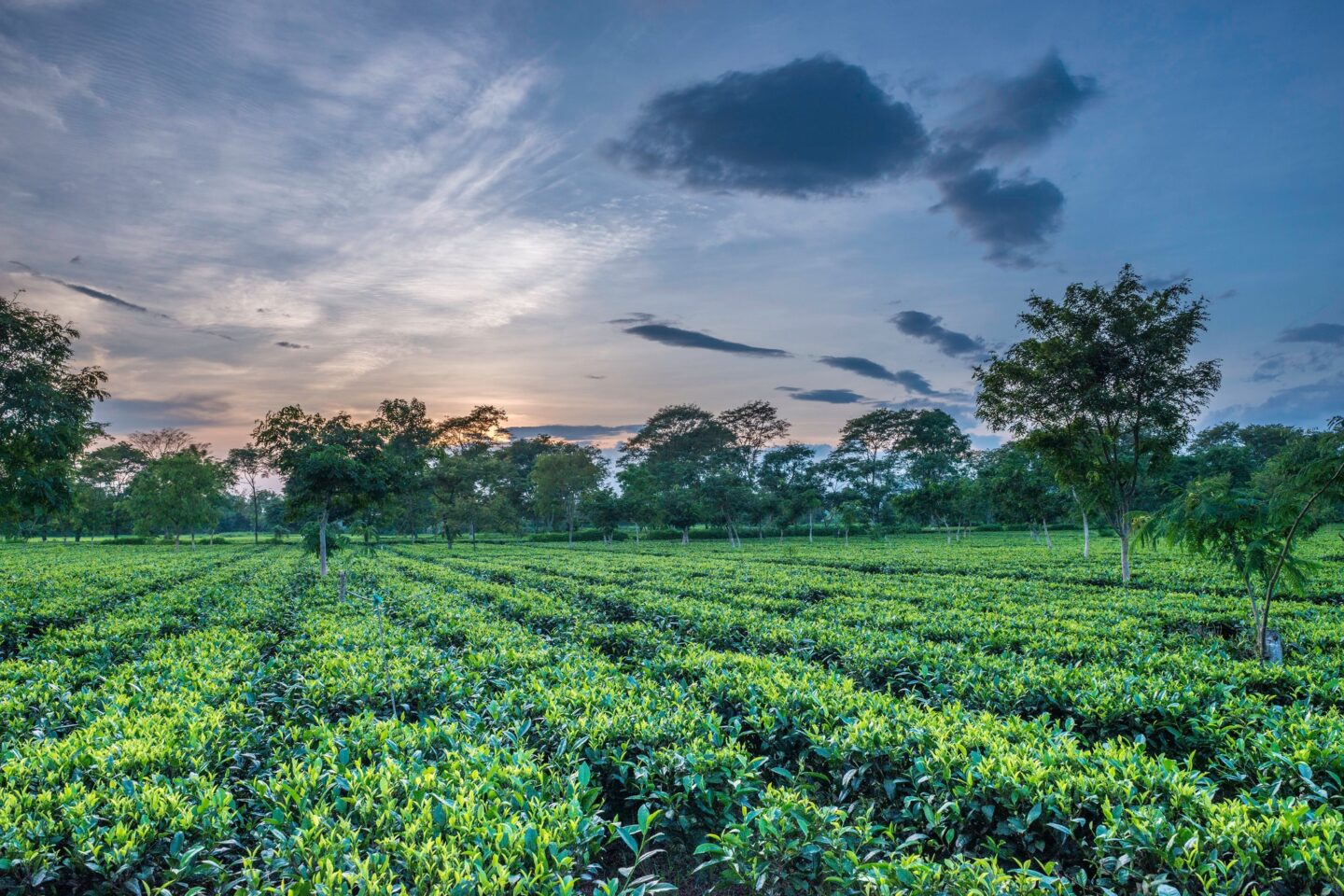
Assam Tea Garden | In a significant move ahead of the upcoming assembly elections, the Assam government has notified an interim increase of Rs 30 in the daily minimum wages of tea garden workers. The revised pay, which benefits over seven lakh workers in the state’s sprawling tea sector, will come into effect from April 1, 2026.
The decision, formalized in a notification issued by the Labour Welfare Department on March 7, follows the recommendations of the Minimum Wages Advisory Board, which met on February 26 . This wage revision applies to all plantation workers, including those employed in both estate tea gardens and small tea gardens across the Brahmaputra and Barak Valleys .
Revised Wage Structure: Valley-Wise Breakdown
With this latest revision, the daily wage structure for tea plantation workers in Assam has been standardized across the two major valleys:
- Brahmaputra Valley: Workers will now receive Rs 280 per day, up from the existing Rs 250 .
- Barak Valley: The daily wage has been increased to Rs 258, a rise from the previous Rs 228 .
The notification specifically clarified that this “interim increase” is applicable to workers in small tea gardens as well, ensuring parity across the sector . This is the latest in a series of hikes; the previous revision occurred in October 2023, when wages were increased by Rs 18 .
Political Context and Industry Reaction
The wage hike comes at a crucial time, with the Assam Assembly elections on the horizon. Tea garden workers, often referred to as “Cha Shramiks” or “Tea Tribes,” constitute a significant 18-20% of the electorate and influence outcomes in roughly 30-35 constituencies .
Assam Chief Minister Himanta Biswa Sarma highlighted the government’s track record, stating that the BJP-led government has increased wages by over 40% since 2021—specifically 42.13% in the Brahmaputra Valley and 47.42% in the Barak Valley . In a post on X, CM Sarma criticized previous administrations, alleging that “Congress Govts used them as a mere vote bank for decades,” while his government is focused on “boosting their income, granting land rights, giving reservation & a lot more” .
However, the hike has received mixed reactions. While it is seen as a welcome move for workers facing rising costs, some tea garden-based organizations have slammed the increase as a “lollipop” and “meagre,” recalling that the BJP had promised a wage of Rs 351 ahead of the 2016 polls .
Conversely, tea plantation owners have expressed concern over the financial burden. They argue that the industry is already struggling with rising input costs and a export slump due to the volatile situation in West Asia, a key market for Assam tea. Planters also emphasize that the “wage in kind“—which includes free housing, electricity, ration, and healthcare under the Plantation Labour Act—adds substantial value to the cash component .
What Lies Ahead: Wages Likely to Cross Rs 300
The term “interim” in the notification is key. Following the Cabinet decision on February 26, Chief Minister Sarma indicated that this is not the final revision. As the central government implements new Labour Codes, stakeholders will likely reconvene for further discussions within the next six months.
“The final daily wages for the tea garden workers are likely to cross Rs 300,” CM Sarma had stated earlier, suggesting that another revision could be on the cards later this year .
Assam’s Tea Sector: By the Numbers
To understand the scale of this decision, consider the size of Assam’s tea industry:
- Workforce: Over 7 lakh permanent workers (some estimates suggest over 10 lakh including dependents) .
- Estates: Approximately 803 major tea estates and over 60,000 small tea gardens .
- Production: Assam is the largest tea-producing region in India, contributing roughly 55% of the country’s total tea output .
The new wage rates, effective April 1, 2026, will impact hundreds of thousands of families who are the backbone of this industry.