Supreme Court Denies Bail to Umar Khalid and Sharjeel Imam in 2020 Delhi Riots Conspiracy Case
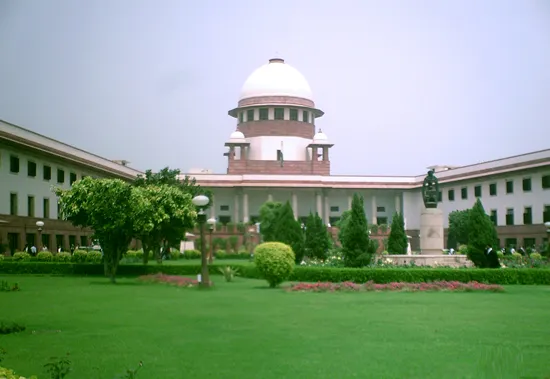
New Delhi, January 5, 2026 – The Supreme Court on Monday rejected bail applications of activists Umar Khalid and Sharjeel Imam in the alleged larger conspiracy behind the February 2020 northeast Delhi riots, while granting conditional bail to five other co-accused.
A bench comprising Justices Aravind Kumar and NV Anjaria observed that prosecution materials established a prima facie case against Khalid and Imam under the Unlawful Activities (Prevention) Act (UAPA), noting their “central and formative role” in planning and mobilisation.
The court emphasised that Khalid and Imam stood on a “qualitatively different footing” compared to the others, with allegations extending beyond localised acts.
However, bail was granted to:
- Gulfisha Fatima
- Meeran Haider
- Shifa-ur-Rehman
- Mohd. Saleem Khan
- Shadab Ahmed
with strict conditions, including restrictions on leaving Delhi, surrendering passports, weekly police reporting, and prohibitions on contacting witnesses or participating in public gatherings.
The court clarified that trial delays in UAPA cases do not automatically entitle accused to bail, rejecting it as a “trump card.” It also broadened the interpretation of “terrorist act” under Section 15 of UAPA to include disruptions to essential services and economic threats, not just blatant violence.
Khalid and Imam, in custody for over five years, can renew their bail pleas after examination of protected witnesses or one year from the judgment date.
Political Reactions
Assam Chief Minister Himanta Biswa Sarma welcomed the decision, terming it a rejection of the “‘Tukde-Tukde Gang'” and reaffirming India’s unity. Opposition parties criticised the ruling, highlighting prolonged incarceration without trial.
The case stems from communal violence during anti-CAA protests, which claimed 53 lives. The accused face charges under UAPA and IPC for allegedly orchestrating a premeditated conspiracy.
This verdict underscores the stringent bail thresholds in UAPA cases while differentiating roles among co-accused.