New Delhi/Islamabad, January 1, 2026 – In a longstanding tradition upheld despite deeply frozen bilateral relations, India and Pakistan exchanged lists of their nuclear installations and facilities on Thursday, marking the 35th consecutive year under a 1988 bilateral agreement prohibiting attacks on each other’s atomic sites.
The exchange occurred simultaneously through diplomatic channels in New Delhi and Islamabad, as confirmed by India’s Ministry of External Affairs (MEA). “This is the 35th consecutive exchange of such lists between the two countries, the first one having taken place on 1 January 1992,” the MEA stated.
The Agreement on the Prohibition of Attack against Nuclear Installations and Facilities was signed on December 31, 1988, and entered into force on January 27, 1991. It mandates both nuclear-armed nations to share details of covered facilities annually on January 1, serving as a key confidence-building measure to prevent escalation during conflicts.
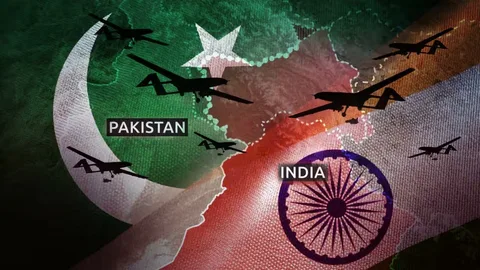
This year’s exchange comes amid heightened tensions following a brief but intense four-day military confrontation in May 2025, triggered by a terrorist attack in Pahalgam, Jammu and Kashmir. Relations remain strained, with no significant dialogue since the hostilities.
Separately, the two countries also swapped lists of civilian prisoners and fishermen in each other’s custody, in line with the 2008 Consular Access Agreement, which requires such biannual exchanges on January 1 and July 1.
Pakistan handed over a list of 257 Indian prisoners (199 fishermen and 58 civilians) to the Indian High Commission in Islamabad. In response, India shared details of Pakistani or believed-to-be-Pakistani nationals in its custody and called for the early release and repatriation of Indian prisoners who have completed their sentences.
Foreign Office spokesman Tahir Andrabi emphasized that the exchanges fulfill obligations under both pacts, highlighting their role in maintaining minimal diplomatic engagement despite broader freezes.
Analysts note that these routine practices underscore the enduring importance of nuclear risk reduction in South Asia, even as broader India-Pakistan ties face ongoing challenges.