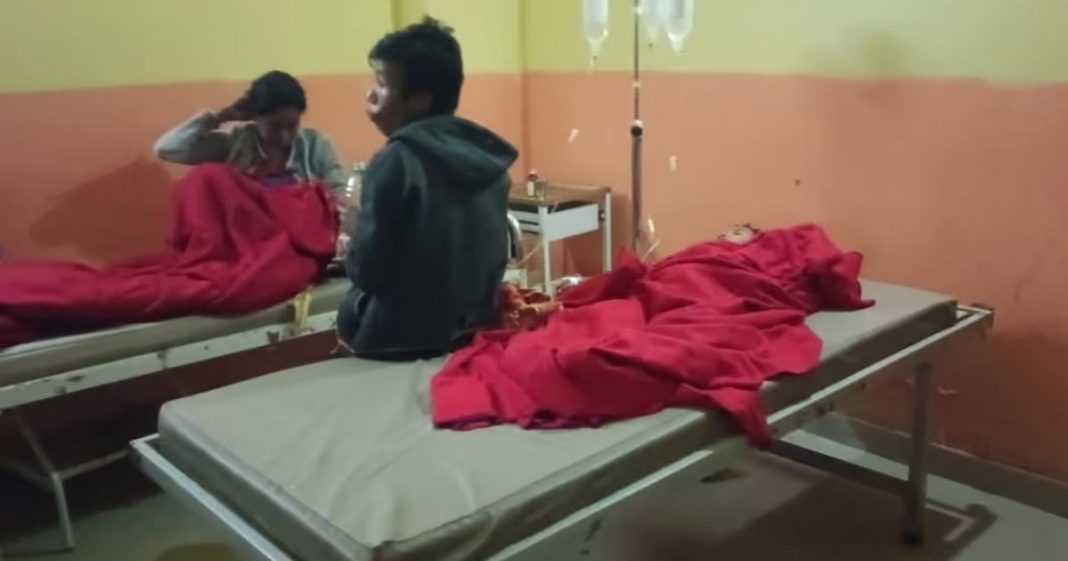
A concerning incident has emerged from eastern Assam, where the simple act of foraging for forest produce turned into a medical emergency. Eleven people, including small children, fell seriously ill after consuming wild mushrooms in Sadiya, sending shockwaves through the local community and prompting urgent health warnings from officials.
The incident serves as a stark reminder of the hidden dangers that lurk in nature’s bounty. While wild mushrooms have been a traditional food source in rural Assam for generations, the fine line between edible varieties and toxic lookalikes can sometimes blur—with potentially life-threatening consequences.
What Happened in Sadiya: The Incident Details
The wild mushroom poisoning incident took place in Rukmini Deuri village, located in the Sadiya subdivision of Assam’s Tinsukia district. All 11 affected individuals belong to the same family group, highlighting how a single meal can impact multiple generations within a household.
Victims Range from Toddlers to Elderly
The ages of those affected span a wide spectrum, underscoring the indiscriminate nature of food poisoning:
- The youngest victim is just 2 years old
- The eldest is 60 years of age
- Several children and adults in between were also affected
This age range demonstrates how mushroom poisoning does not discriminate—it can affect the most vulnerable members of a family just as severely as healthy adults.
Immediate Medical Response: Rushed to Sadiya Civil Hospital
Upon showing symptoms of poisoning—which typically include severe vomiting, abdominal pain, diarrhoea, and in severe cases, liver dysfunction—the family members were swiftly transported to the Sadiya Civil Hospital.
Current Condition: Stable but Under Observation
Hospital officials have confirmed that all 11 patients are currently stable. Medical staff acted promptly, administering emergency treatment and placing the victims under close observation.
While the situation is under control, doctors are maintaining vigilance. The coming hours remain critical, as some varieties of toxic mushrooms can cause delayed organ damage, particularly to the liver and kidneys. Fortunately, no deaths have been reported, and medical personnel are hopeful of a full recovery.
Why Wild Mushrooms Can Be Deadly: A Health Expert’s Perspective
Health experts emphasise that wild mushroom poisoning is a recurring issue in rural areas across India, including Assam. The problem lies in the striking similarity between edible mushrooms and their toxic counterparts.
Identifying the Danger
According to medical professionals:
- Some wild mushrooms contain amatoxins, which can cause severe liver failure if ingested
- Symptoms may not appear immediately, sometimes taking 6 to 24 hours to manifest
- By the time symptoms emerge, significant internal damage may have already begun
Common Toxic Varieties in Assam
In the northeastern region, several varieties of poisonous mushrooms grow abundantly during the monsoon and post-monsoon seasons. These include species from the Amanita genus, often mistaken for edible wild mushrooms due to their similar appearance.
Local Health Officials Issue Urgent Warning
In the wake of this incident, local health authorities have stepped up awareness efforts. Officials from the Sadiya block primary health centre have issued a clear advisory to villagers in the surrounding areas.
Key Safety Advice:
- Do not consume wild mushrooms unless identified as safe by a trained expert
- Avoid mixing different mushroom varieties in a single meal, as identification becomes more difficult
- If symptoms appear, seek immediate medical attention—do not attempt home remedies
- Keep a sample of the consumed mushroom if possible; it helps doctors identify the toxin and administer the correct antidote
Traditional Knowledge vs. Safety
Many rural communities in Assam possess generational knowledge about which wild mushrooms are safe to eat. However, environmental changes—including shifting weather patterns and forest composition—can sometimes alter mushroom characteristics. What was safe a decade ago may now have toxic lookalikes growing in the same region.
The Larger Context: Mushroom Poisoning in Rural India
The Sadiya incident is not an isolated case. Across India, particularly in states with dense forest cover like Assam, Kerala, Karnataka, and Himachal Pradesh, wild mushroom poisoning cases spike during rainy seasons.
Why Rural Communities Forage for Mushrooms
For many families in villages like Rukmini Deuri, foraging for wild mushrooms is not merely a culinary choice—it is:
- A cost-effective way to supplement meals
- A cultural tradition passed down through generations
- A source of nutritional variety in predominantly rice-based diets
The Knowledge Gap
While traditional knowledge is valuable, experts point out that:
- Young people may lack the identification skills of their elders
- Climate change is altering fungal growth patterns
- New toxic species may appear in regions where they did not previously exist
What to Do If Wild Mushroom Poisoning Is Suspected
Health officials recommend the following steps if someone shows signs of mushroom poisoning:
| Action | Why It Matters |
|---|---|
| Seek medical help immediately | Early intervention improves outcomes significantly |
| Do not induce vomiting unless instructed | Some toxins cause more damage when vomited |
| Preserve a sample of the mushroom | Helps identify the toxin for targeted treatment |
| Keep the patient hydrated | Vomiting and diarrhoea cause rapid dehydration |
| Inform medical staff about the time of consumption | Helps estimate toxin absorption levels |
Frequently Asked Questions (FAQ)
1. What are the symptoms of wild mushroom poisoning?
Symptoms typically include nausea, severe vomiting, abdominal cramps, diarrhoea, dizziness, and in severe cases, jaundice or liver failure. Symptoms can appear anywhere from 30 minutes to 24 hours after consumption, depending on the type of mushroom.
2. How can I tell if a wild mushroom is safe to eat?
There is no simple rule for identifying safe mushrooms. Many toxic mushrooms closely resemble edible ones. The safest approach is to never consume wild mushrooms unless identified by a trained mycologist or a local expert with verified knowledge.
3. What should I do if someone in my family eats a wild mushroom and falls ill?
Seek emergency medical care immediately. Do not wait for symptoms to worsen. If possible, bring a sample of the leftover mushrooms to the hospital to help doctors determine the appropriate treatment.
4. Are children more vulnerable to mushroom poisoning?
Yes. Children are particularly vulnerable because their smaller body mass means even small amounts of toxin can cause severe effects. The 2-year-old child involved in the Sadiya incident remains under close observation for this reason.
5. Is wild mushroom poisoning common in Assam?
Yes, cases of wild mushroom poisoning are reported in Assam periodically, especially during monsoon and post-monsoon seasons when mushrooms grow abundantly in forested areas. Health departments regularly issue advisories during these periods.
Conclusion: Awareness Is the Best Protection
The wild mushroom poisoning incident in Sadiya’s Rukmini Deuri village serves as a sobering reminder of the risks associated with consuming unidentified forest produce. While 11 individuals, including young children, are now stable thanks to prompt medical intervention, the situation could have been far graver.
For families in rural Assam and across India, the message from health officials is clear: when in doubt, do not eat. Traditional knowledge is valuable, but it is not foolproof. When foraging for wild mushrooms, the stakes are simply too high.