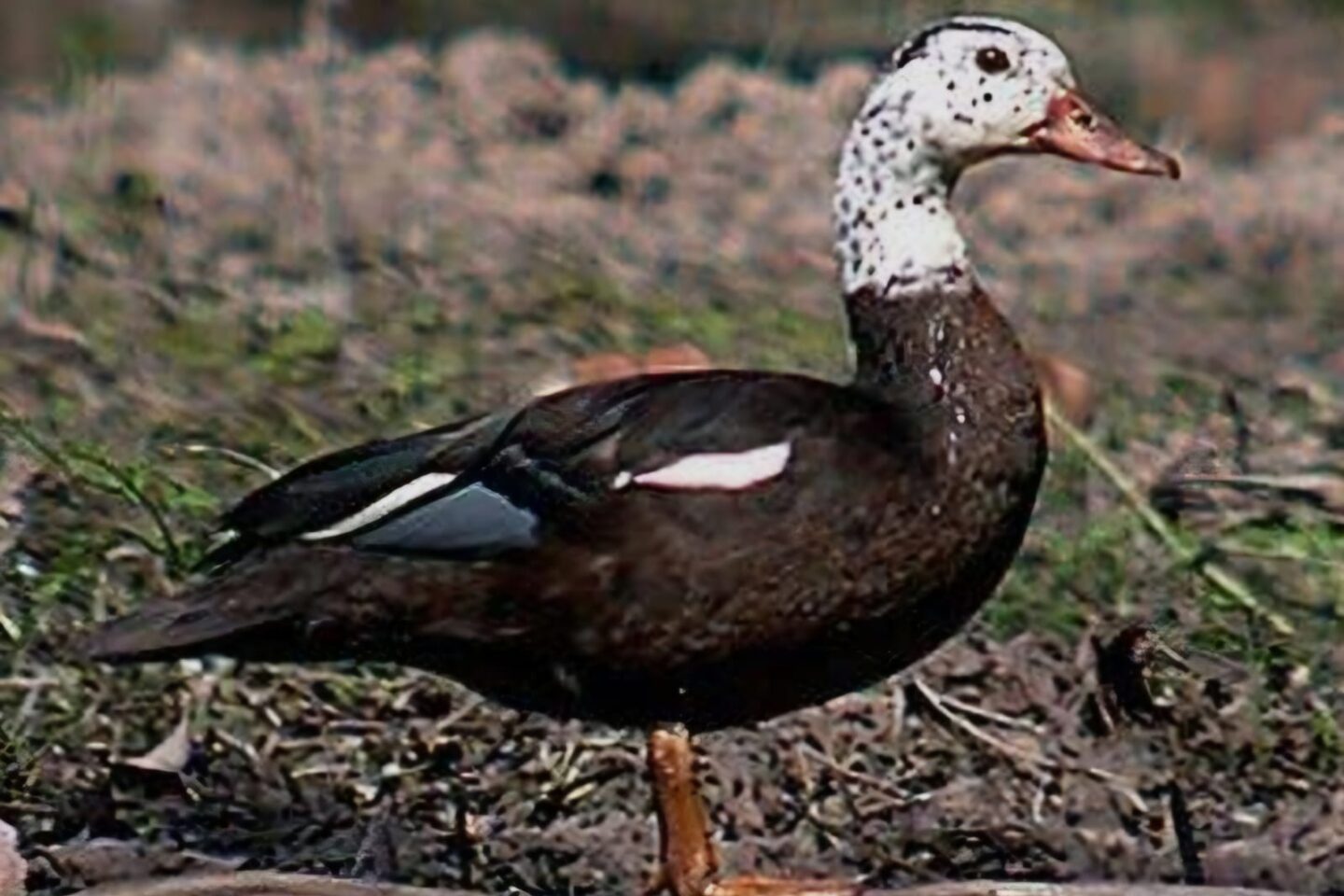
TINSUKIA, January 23 : Deep inside Assam’s dwindling forest wetlands, a silent crisis is unfolding. The white-winged wood duck, Assam’s state bird and locally known as deo hah, is facing an alarming struggle for survival, prompting conservationists to warn that the species is perilously close to extinction.
Once widely distributed across the swampy forests of eastern Assam, the critically endangered bird has disappeared from most of its former range. In the 1990s, the duck was regularly recorded in reserve forests of Tinsukia district, including Doomdooma, and in Dibru-Saikhowa National Park. Today, sustained deforestation, degradation of wetlands and rising human activity have pushed the species out of these landscapes.
The white-winged wood duck is believed to survive only in a few protected pockets of Assam, primarily Dihing-Patkai National Park and Nameri Tiger Reserve. However, experts caution that its exact population remains unknown, adding to concerns about its long-term viability.
“The species is facing an extinction threat due to multiple factors,” said Aftab Ahmed, a biologist with the Wildlife Trust of India. “Its dependence on undisturbed lowland forest wetlands makes it extremely vulnerable. What is equally worrying is the lack of public awareness—many people are unaware that this bird is Assam’s state bird or that it still survives in the wild.”
Distinguished by its dark chestnut plumage and striking white wings, the white-winged wood duck is among the largest forest ducks in the world. Unlike migratory waterfowl, it is largely sedentary, preferring secluded forest pools where it feeds on aquatic vegetation, insects and small invertebrates, and nests in tree hollows. These specialised habitat requirements have made the bird particularly sensitive to forest fragmentation.
Studies indicate a sharp decline in both the range and abundance of the species over the past three generations, roughly between 1997 and 2023. Alarmingly, declines have been recorded even in areas where suitable habitat appears to persist, suggesting that disturbance, fragmentation and other poorly understood factors are accelerating the bird’s decline.
Concerns have also been raised over industrial activity in and around key habitats. Nature enthusiasts have pointed to oil exploration and related disturbances in parts of the Dihing-Patkai landscape as an additional threat to the species.
“There are several oil rigs in the Dihing-Patkai area, and habitat disturbance has been observed in many locations,” said Devojit Moran, a local conservation advocate. “The government and companies operating here must ensure that the remaining habitat of this rare bird is protected.” Despite being listed as Critically Endangered on the IUCN Red List since 2010, the white-winged wood duck has not yet been the subject of a dedicated population survey by the Assam Forest Department. Conservationists argue that without accurate data, it is difficult to design effective recovery plans or prioritise habitat protection.
As Assam continues to grapple with the competing demands of development and conservation, the fate of the white-winged wood duck has emerged as a powerful symbol of what is at stake. For conservationists and nature lovers alike, saving the deo hah is not merely about preserving a single species, but about safeguarding the fragile forest wetlands that sustain Assam’s rich biodiversity.