West Bengal Governor CV Ananda Bose Resigns Suddenly Ahead of 2026 Assembly Elections; Mamata Banerjee Alleges Centre’s Pressure, RN Ravi to Replace
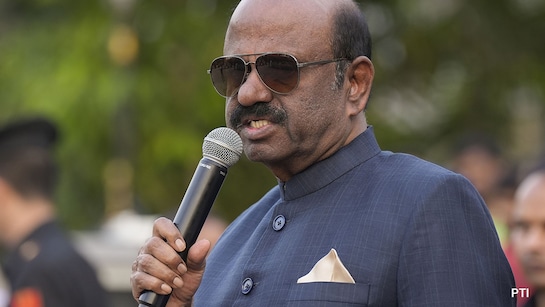
In a major political development shaking the landscape of West Bengal politics, West Bengal Governor CV Ananda Bose has resigned from his post on March 5, 2026. The resignation, submitted via a letter to President Droupadi Murmu, comes after Bose served in the role for approximately 3.5 years since his appointment in November 2022. Sources close to Lok Bhavan (Raj Bhavan) confirmed the move, with Bose himself stating to PTI that he had “spent enough time at the Governor’s office,” signaling a voluntary decision to step down.
The timing of the resignation is particularly significant as West Bengal gears up for the crucial 2026 West Bengal Legislative Assembly elections, expected in April-May 2026, with the current assembly’s term ending on May 7, 2026. The polls will decide the fate of Chief Minister Mamata Banerjee’s Trinamool Congress (TMC) government, which has been in power since 2011. Bose’s exit, occurring just weeks before the election process intensifies, has sparked widespread speculation about political motivations and central interference.
Background on CV Ananda Bose’s Tenure as West Bengal Governor
Dr. C.V. Ananda Bose, a retired 1977-batch IAS officer from the Kerala cadre and a Jawaharlal Nehru Fellowship recipient, assumed the office of West Bengal Governor on November 23, 2022, replacing acting arrangements following Jagdeep Dhankhar’s elevation to Vice President. His tenure was marked by persistent friction with the Mamata Banerjee-led state government.
Bose frequently clashed with the TMC administration over issues such as university vice-chancellor appointments, where he asserted his role as ex-officio Chancellor to appoint interim VCs amid allegations of corruption and political interference in higher education. He welcomed Supreme Court verdicts clarifying the Chancellor’s authority, emphasizing that state governments should stay out of university administration.
The Governor also highlighted concerns over law and order in the state, describing violence and corruption as “cancerous growths” threatening governance. His public statements often criticized the state machinery, leading to accusations from TMC leaders that he was acting as an agent of the Bharatiya Janata Party (BJP)-led Centre.
Adding to the controversies, Bose faced serious allegations in 2024, including a police complaint from a contractual woman employee at Raj Bhavan accusing him of molestation and misconduct. Mamata Banerjee publicly demanded his resignation multiple times, refusing to visit Raj Bhavan or sit beside him, calling it a “sin.” TMC leaders amplified calls for his ouster, citing additional complaints and demanding accountability. Bose denied the charges, labeling them politically motivated.
Despite these storms, Bose continued in office until his sudden resignation in Delhi on March 5, 2026.
Mamata Banerjee’s Strong Reaction to West Bengal Governor Resignation
Chief Minister Mamata Banerjee wasted no time in responding to the news, expressing shock and deep concern via a post on X (formerly Twitter). She stated:
“I am shocked and deeply concerned by the sudden news of the resignation of Shri C.V. Ananda Bose, the Governor of West Bengal. The reasons behind his resignation are not known to me at this moment. However, given the prevailing circumstances, I would not be surprised if the Governor has been subjected to some pressure from the Union Home Minister to serve certain political interests on the eve of the forthcoming State Assembly elections.”
Banerjee went further, alleging unilateralism by the Centre:
“Union Home Minister just informed me that Shri R.N. Ravi is being appointed as Governor of West Bengal. He never consulted with me as per the established convention in this regard. Such actions undermine the spirit of the Constitution of India and strike at the very foundation of our federal structure. The Centre must respect the principles of cooperative federalism and refrain from taking unilateral decisions that erode democratic conventions and the dignity of States.”
Her remarks highlight longstanding TMC grievances against the Centre’s handling of gubernatorial appointments in opposition-ruled states, accusing it of using governors to destabilize non-BJP governments.
RN Ravi as the Incoming West Bengal Governor
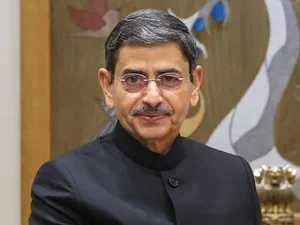
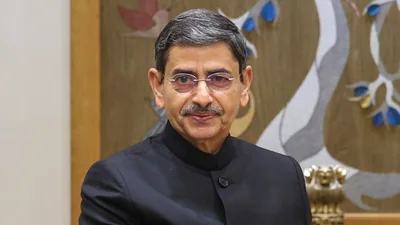
Union Home Minister Amit Shah reportedly informed Mamata Banerjee that R.N. Ravi, currently the Governor of Tamil Nadu (another opposition-ruled state under DMK Chief Minister M.K. Stalin), will be transferred to West Bengal. Ravi, known for his contentious tenure in Tamil Nadu involving disputes over state symbols, legislation assent, and federal overreach claims, is expected to assume charge soon.
This appointment has fueled Banerjee’s narrative of central interference, especially with assembly elections looming. Ravi’s track record in Tamil Nadu, where he has been accused of similar confrontations with the state government, suggests potential continuity in Raj Bhavan-state tensions.
Political Implications Ahead of 2026 West Bengal Assembly Elections
The resignation of the West Bengal Governor at this juncture raises several questions:
- Electoral Impact: With polls expected in phases during April-May 2026, a new governor could influence administrative decisions, university functioning, or law and order perceptions, which TMC might frame as central meddling.
- Federalism Debate: Banerjee’s emphasis on cooperative federalism echoes broader opposition criticisms of the BJP-led Centre’s approach to governors in states like Tamil Nadu, Kerala, and Punjab.
- TMC Strategy: The CM’s swift allegations could rally TMC supporters by portraying the Centre as anti-Bengal, a theme recurrent in her campaigns.
- BJP Response: The BJP may view Bose’s exit as removing a vocal critic of TMC governance, potentially paving the way for a smoother pre-poll environment.
The exact reason for Bose’s resignation remains undisclosed officially, with no confirmation of pressure from Amit Shah or other factors. Speculation ranges from personal choice to strategic central realignment.
This development underscores the delicate balance in India’s federal setup, where governors—appointed by the President on Centre’s advice—often become flashpoints in Centre-state relations.
As West Bengal heads into a high-stakes election year, the change at Raj Bhavan will be closely watched for its ripple effects on politics, governance, and democratic conventions.