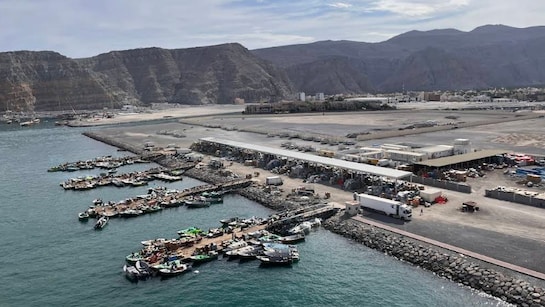
US Deploys Bunker Buster Bombs Near Strait of Hormuz: Rising Tensions with Iran Shake Global Oil Markets
US Deploys “Bunker Buster” Bombs Near Strait of Hormuz: A Major Escalation in Iran Conflict
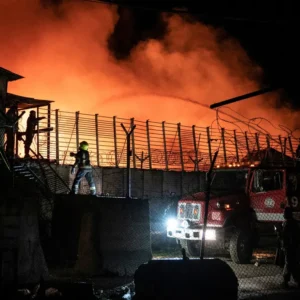
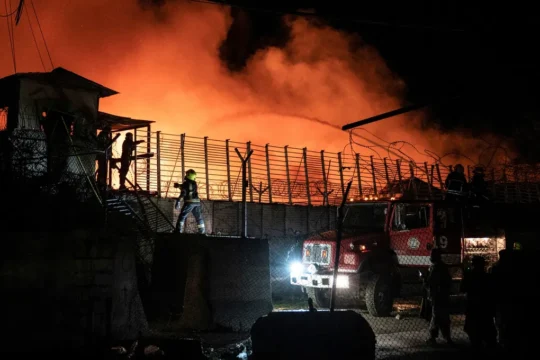
In a dramatic escalation of tensions in the Middle East, the United States military has launched a powerful airstrike using Bunker Buster bombs against Iranian missile installations near the strategically critical Strait of Hormuz. The development marks one of the most significant military actions in the region in recent years and has already begun reshaping global energy markets and geopolitical alignments.
According to an official statement by the (CENTCOM), American forces deployed multiple 5,000-pound deep penetrator munitions targeting hardened Iranian missile sites positioned along the country’s southern coastline. These sites were believed to house anti-ship cruise missiles capable of threatening international maritime traffic.
What Are “Bunker Buster” Bombs and Why They Matter
The term Bunker Buster refers to a class of highly specialized bombs designed to penetrate fortified or underground targets before detonating. These weapons are engineered to destroy deeply buried facilities such as missile silos, command centers, and nuclear installations.
The bombs used in this operation reportedly weighed approximately 5,000 pounds (around 2,268 kilograms) and are classified as deep penetrator munitions. Unlike conventional explosives, these bombs can pierce thick layers of concrete or rock before exploding, maximizing damage to hardened infrastructure.
Military analysts note that while these bombs are extremely powerful, they are still less destructive than the massive 30,000-pound ordnance previously used by the United States in strikes targeting Iranian nuclear-related sites.
Each unit of such munitions is estimated to cost around $288,000, making them both a technologically advanced and economically significant component of modern warfare.
Why the Strait of Hormuz Matters to the World
The is one of the most strategically vital chokepoints in the global energy supply chain. Approximately one-fifth of the world’s oil supply passes through this narrow waterway, making it essential for global economic stability.
Iran’s decision to block or restrict access to the Strait in retaliation for US and Israeli military actions has triggered widespread disruption in maritime trade. Oil tankers have been forced to reroute, delay shipments, or halt operations entirely due to the heightened security risks.
As a result, global oil prices have surged sharply, impacting economies worldwide—from fuel costs in developing nations to inflation concerns in major industrial economies.
Trigger for the Strike: Iran’s Missile Threat
According to CENTCOM, the Iranian missile installations targeted in the strike posed a direct threat to international shipping lanes. These sites reportedly housed anti-ship cruise missiles capable of striking vessels navigating the Strait.
The US justified the strike as a defensive measure aimed at reopening the waterway and ensuring the free flow of commerce. In its official statement, the military emphasized that the operation was necessary to neutralize imminent threats.
Iran, however, has condemned the attack as an act of aggression and a violation of its sovereignty.
Escalation Rooted in Broader Conflict
The strike did not occur in isolation. It is part of a broader and intensifying conflict involving the United States, Iran, and Israel.
The administration of has taken a hardline stance against Iran, citing concerns over its nuclear ambitions and regional influence. Meanwhile, has reportedly been urging stronger military action against Iran for months.
Trump has argued that the conflict is necessary to prevent Iran from acquiring nuclear weapons, a claim that Tehran has consistently denied.
Iran’s Position on Nuclear Development
Iran maintains that its nuclear program is strictly for peaceful purposes, including energy generation and scientific research. The government has repeatedly rejected accusations of pursuing nuclear weapons.
Despite these assurances, skepticism remains among Western nations, particularly the United States and Israel, who view Iran’s nuclear activities as a potential threat to regional and global security.
US Allies Distance Themselves
One of the most striking aspects of the current crisis is the lack of support from traditional US allies.
Members of have reportedly declined requests from Washington to assist in securing the Strait of Hormuz. This reluctance highlights growing divisions within the Western alliance over the handling of the Iran situation.
President Trump has publicly expressed frustration over this lack of cooperation, stating that the United States has historically supported NATO allies and expected reciprocal assistance.
In remarks that underscore the diplomatic strain, Trump criticized allies for not contributing even minimal resources, such as minesweepers, to help maintain maritime security.
Economic Shockwaves: Oil Prices Surge
The closure of the Strait of Hormuz has sent shockwaves through global markets. Oil prices have risen sharply due to fears of prolonged disruption in supply.
Countries heavily dependent on imported oil, including India, Japan, and several European nations, are particularly vulnerable to such disruptions.
The crisis has also affected shipping insurance rates, freight costs, and overall trade efficiency, compounding the economic impact.
Global Shipping at Risk
Maritime companies are facing unprecedented challenges as the Strait becomes increasingly dangerous. The threat of missile attacks, naval confrontations, and potential mining of the waterway has made navigation highly risky.
Several shipping firms have already suspended operations in the region, while others are exploring alternative routes—though these often come with higher costs and longer transit times.
Military Implications and Strategic Calculations
The use of Bunker Buster bombs signals a significant escalation in military tactics. It demonstrates the United States’ willingness to employ high-impact weaponry to achieve strategic objectives.
Defense experts suggest that this move could deter further Iranian aggression, but it also risks provoking retaliation and escalating the conflict into a broader war.
Iran possesses a range of asymmetric capabilities, including missile systems, naval assets, and proxy forces across the region, which could be mobilized in response.
Trump’s Personal Approach to the Conflict
President Trump’s handling of the situation has drawn both support and criticism. He has framed the conflict as a necessary step to ensure global security, even if it lacks widespread international backing.
Interestingly, Trump has described the decision-making process in personal terms, referring to a “feeling” about the threat posed by Iran. He has also indicated that the conflict may end based on his own judgment.
This approach has raised concerns among analysts about the predictability and consistency of US foreign policy.
Role of Israel in the Escalation
Israel has been a key player in shaping the current trajectory of the conflict. Prime Minister Benjamin Netanyahu has long advocated for a tougher stance against Iran.
Israeli intelligence and strategic assessments have reportedly influenced US decision-making, particularly regarding the perceived threat of Iranian missile and nuclear capabilities.
Potential Scenarios Moving Forward
The situation remains highly volatile, with several possible outcomes:
1. De-escalation Through Diplomacy
International pressure could push both sides toward negotiations, potentially reopening the Strait and stabilizing oil markets.
2. Prolonged Military Standoff
The US and Iran may continue engaging in limited strikes and countermeasures without escalating into full-scale war.
3. Full-Scale Regional Conflict
If tensions spiral further, the conflict could expand to involve multiple countries in the Middle East.
Impact on India and Other Importing Nations
For countries like India, the crisis has immediate economic implications. Rising oil prices can lead to increased inflation, higher transportation costs, and pressure on government budgets.
India, which imports a significant portion of its crude oil, is closely monitoring developments and exploring alternative supply options.
Conclusion: A Defining Moment in Global Geopolitics
The deployment of Bunker Buster bombs near the Strait of Hormuz marks a turning point in the ongoing US-Iran conflict. It highlights the fragile balance between military action and global economic stability.
As tensions continue to rise, the world watches closely, aware that developments in this narrow stretch of water could have far-reaching consequences for international security, energy markets, and diplomatic relations.
The coming days will be critical in determining whether this crisis leads to escalation or resolution.