Trump Modi Call on Strait of Hormuz: India Pushes for De-Escalation in US-Israel-Iran War as Energy Crisis Looms
Trump Modi Call Highlights Urgent Need for Peace in West Asia Amid Strait of Hormuz Blockade
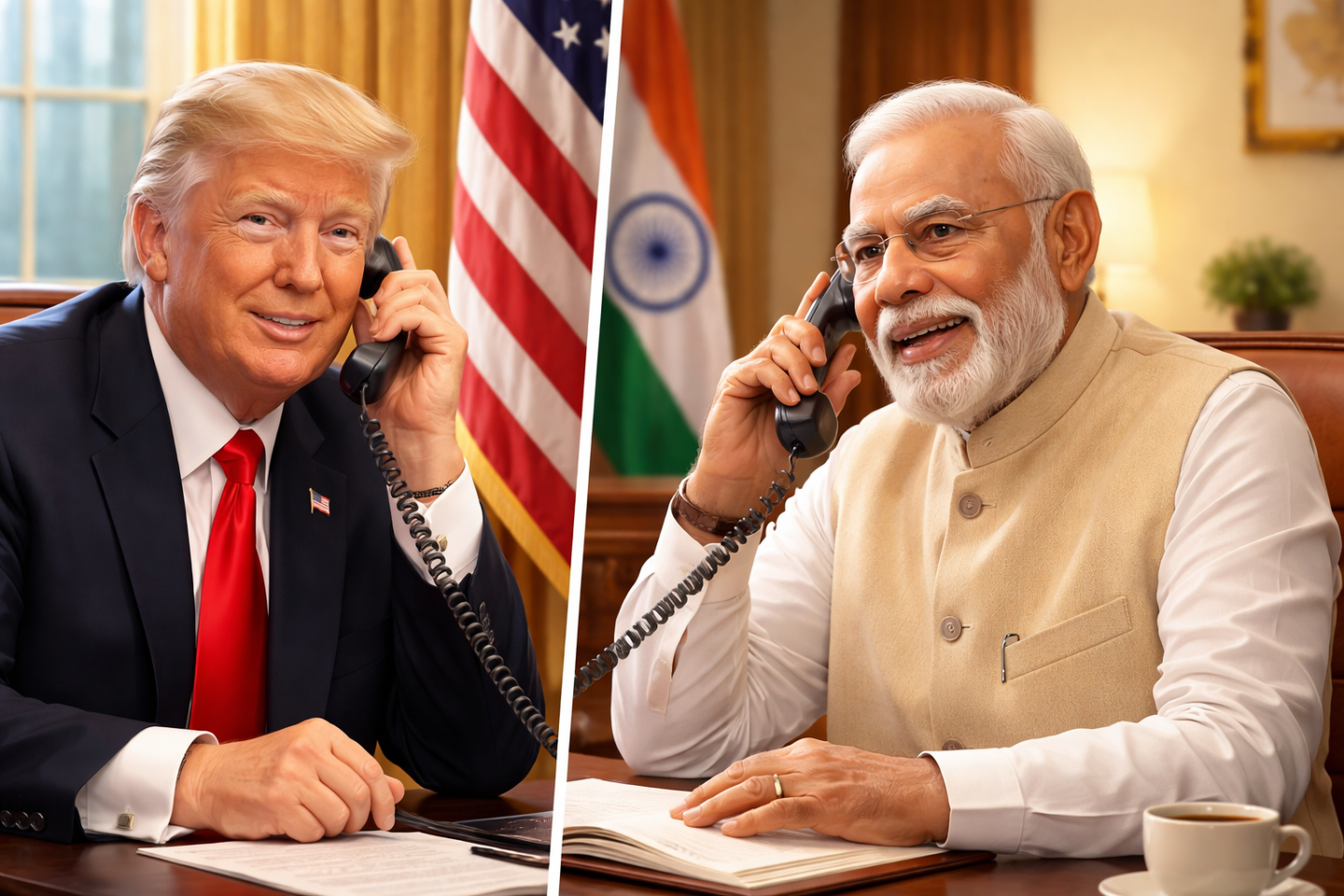
New Delhi, March 25, 2026 – In a significant diplomatic development, US President Donald Trump spoke with Indian Prime Minister Narendra Modi on Tuesday evening, focusing on the escalating US-Israel war on Iran and the critical importance of keeping the Strait of Hormuz open for global shipping. This marks the first phone conversation between the two leaders since the conflict erupted on February 28, sending shockwaves through energy markets worldwide.
US Ambassador to India Sergio Gor confirmed that the leaders “discussed the ongoing situation in the Middle East, including the importance of keeping the Strait of Hormuz open.” Sources close to the development told NDTV that peace, stability, and energy security formed the core of Prime Minister Modi’s messaging during the call.
In his official statement after the conversation, PM Modi said: “Received a call from President Trump and had a useful exchange of views on the situation in West Asia. India supports de-escalation and restoration of peace at the earliest. Ensuring Strait of Hormuz remains open, secure, and accessible is essential for the world. We agreed to stay in touch for efforts towards peace and stability.”
This Trump Modi engagement comes at a pivotal moment when the closure of the Strait of Hormuz by Iran has disrupted global oil and gas supplies, pushing benchmark Brent crude prices well past the $100 per barrel mark and exerting pressure on economies dependent on Middle Eastern energy.
Background of the US-Israel-Iran Conflict and Hormuz Crisis
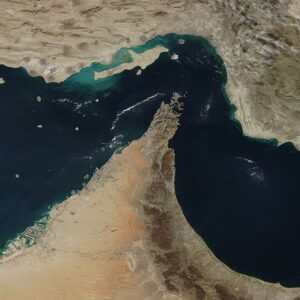
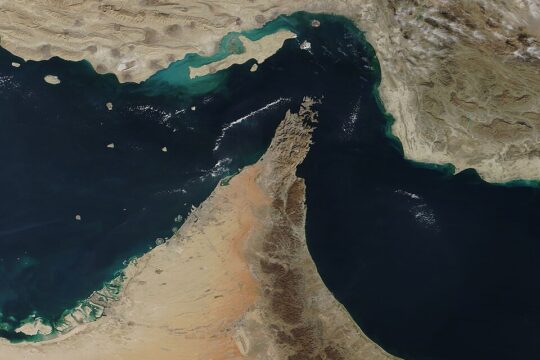
The ongoing war in West Asia, which began on February 28 with US and Israeli strikes on Iranian targets, has entered a critical phase. Iran responded by closing the Strait of Hormuz – a narrow chokepoint through which nearly 20-30% of the world’s seaborne oil trade passes daily. This strategic waterway connects the Persian Gulf to the Gulf of Oman and is vital for exports from major producers like Saudi Arabia, Iraq, UAE, Kuwait, and Qatar.
Days before the Trump Modi call, President Trump issued a strong ultimatum to Iran, threatening to “obliterate” Iranian power plants if the strait was not reopened. He warned of targeting energy infrastructure “starting with the biggest one first” unless Tehran allowed free movement of commercial shipping within 48 hours.
However, in a surprise move on Monday, Trump announced “very good and productive conversations” with Tehran regarding a “total resolution of hostilities.” He ordered the postponement of any planned American military strikes on Iranian power plants or energy infrastructure for five days to facilitate talks. This development briefly raised hopes of a temporary ceasefire, though fighting continues with little sign of immediate de-escalation on the ground.
The conflict has already caused widespread disruption. Iranian strikes have affected supply chains for fuel, natural gas, and fertilizers – commodities that India imports in massive quantities from the region. Fuel prices in the US have risen sharply, adding political pressure on the Trump administration ahead of the November mid-term polls.
India’s High-Stakes Interest: Why the Trump Modi Call Matters for Energy Security
India, as one of the world’s largest importers of crude oil and natural gas, has a “direct” and “high-stakes” interest in resolving the crisis. The country sources vast amounts of energy from Middle Eastern nations including Iraq, Saudi Arabia, the UAE, and Qatar – all of which rely on the Strait of Hormuz for exports.
Sources indicated that India is positioned to play a key role in any future peace talks involving the US, Israel, and Iran, leveraging its strong diplomatic ties across the region. PM Modi emphasized during the Trump Modi discussion that free and secure passage through the Hormuz is “essential for the world,” not just for India.
Despite the disruptions, India maintains sufficient strategic reserves. Junior Petroleum Minister Suresh Gopi informed the Rajya Sabha that the country holds an estimated 3.372 million tons of crude oil in reserve, in addition to stocks of refined products. The government has assured citizens that domestic fuel availability remains stable for now, but prolonged closure of the strait could lead to higher import costs and inflationary pressures.
Analysts note that India’s balanced approach – maintaining relations with both the US-Israel alliance and Iran – makes New Delhi a credible interlocutor. The Trump Modi call underscores this unique position, with India advocating for immediate de-escalation while prioritizing global energy security.
Global Impact of Hormuz Closure: Oil Prices, Markets, and Geopolitics
The blockade of the Strait of Hormuz has triggered a sharp rally in global energy markets. Brent crude surged beyond $100 per barrel, with analysts warning of further volatility if talks fail. This spike affects everything from transportation costs to fertilizer prices, potentially impacting food security in import-dependent nations like India.
The conflict, now in its fourth week, has seen missile exchanges, drone attacks, and airstrikes, with both sides suffering casualties and infrastructure damage. Iran’s threat to “completely close” the strait in retaliation to any US strikes on power plants has heightened fears of a broader regional war.
Trump’s decision to extend the deadline by five days signals a willingness for diplomacy, but skepticism remains. Reports suggest behind-the-scenes talks with Iranian representatives are underway, though Tehran has publicly rejected certain backchannel efforts and warned of severe consequences.
For the US, the crisis adds domestic challenges. Rising fuel prices ahead of mid-terms could hurt the administration’s popularity. For Israel, security concerns over Iranian capabilities remain paramount. And for Iran, the economic pain from sanctions and disrupted exports is mounting.
Diplomatic Efforts and Potential Role of India in Peace Talks
The Trump Modi phone call is being viewed as a strategic outreach by Washington to engage key global players. India has consistently called for restraint and dialogue in West Asia. PM Modi’s statement reaffirming support for “de-escalation and restoration of peace at the earliest” aligns with New Delhi’s long-standing foreign policy of promoting stability.
Experts believe India could facilitate indirect communication or confidence-building measures, given its growing influence and economic stakes. Previous instances of Indian diplomacy in the region, such as evacuations during past crises or energy deals, highlight its capability to act as a bridge.
US Ambassador Sergio Gor’s remarks highlight the bilateral warmth between Trump and Modi, describing the exchange as focused on practical outcomes like secure shipping lanes.
What Lies Ahead: Scenarios for De-Escalation or Escalation
As the five-day window for talks progresses, several scenarios emerge:
- Successful Diplomacy: If Trump’s conversations with Tehran yield a breakthrough, the Strait of Hormuz could reopen, easing oil prices and allowing normal trade to resume. India’s continued engagement via the Trump Modi channel could support this.
- Prolonged Stalemate: Continued closure would exacerbate global energy shortages, with India potentially diversifying sources further (including increased imports from Russia or the US) while pushing for multilateral intervention.
- Military Escalation: Failure of talks could lead to US strikes on Iranian infrastructure, prompting Iranian retaliation and a wider conflict involving Gulf states.
PM Modi and President Trump agreed to “stay in touch” for ongoing efforts toward peace. This commitment signals sustained high-level coordination between the world’s largest democracy and the superpower.
India’s Strategic Petroleum Reserves and Energy Preparedness
To mitigate risks, India has built robust buffers. The 3.372 million tons of crude reserves, combined with refined product stocks, provide a cushion against short-term shocks. However, experts recommend accelerating diversification, enhancing domestic production, and investing in renewable energy to reduce long-term vulnerability to Middle East volatility.
The government continues to monitor the situation closely, with the Ministry of Petroleum and Natural Gas coordinating with global partners.
Broader Geopolitical Implications of the Trump Modi Engagement
This latest Trump Modi interaction reinforces the strong personal and strategic partnership between the two leaders. From trade deals to defense cooperation and now crisis management in West Asia, the bilateral relationship has matured into a key pillar of global stability.
As the world watches developments in the Middle East, the emphasis on keeping the Strait of Hormuz open serves as a reminder of interconnected global economies. Disruptions in one chokepoint ripple across continents, affecting prices at the pump in the US, inflation in India, and supply chains worldwide.
Conclusion: A Call for Collective Action Toward Peace
The Trump Modi call on the Strait of Hormuz and the West Asia situation represents more than bilateral diplomacy – it is a timely intervention for global energy security and peace. With India firmly backing de-escalation, and the US exploring dialogue with Iran, there remains a narrow window for resolution before the conflict deepens further.
Stakeholders across the globe must prioritize dialogue over confrontation. As PM Modi articulated, ensuring the Hormuz remains “open, secure, and accessible” is not optional – it is essential for the world economy and the well-being of billions.
Stay tuned to our website for the latest updates on the Trump Modi developments, US-Israel-Iran war, oil price fluctuations, and India’s diplomatic maneuvers in this fast-evolving crisis. For in-depth analysis, expert opinions, and exclusive interviews, bookmark this page and follow our coverage.