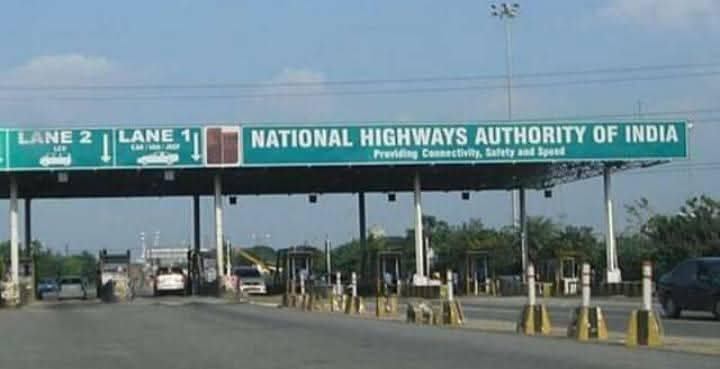
Significant Toll Tax Hike in Assam Ahead of 2026 Assembly Elections: Impact on Commuters and Economy
Guwahati, March 14, 2026 – As Assam gears up for the highly anticipated Assam Legislative Assembly elections scheduled for March–April 2026, residents are facing an additional economic pressure in the form of a notable toll tax in Assam increase. The National Highways Authority of India (NHAI), under the Ministry of Road Transport and Highways, has announced revised toll rates effective from April 1, 2026, impacting seven major toll plazas across the state. This adjustment, which includes hikes ranging from ₹5 to ₹35 per vehicle category (translating to up to 15% in some cases), comes at a politically sensitive time when the government is rolling out welfare schemes to woo voters.
The decision has sparked widespread discussions among commuters, transporters, economists, and political observers. With the state already witnessing an expansion in toll infrastructure—now totaling 12 operational plazas—and more on the horizon, this hike is likely to raise transportation expenses, potentially inflating the prices of daily essentials and goods transported via national highways.
Why the Toll Tax in Assam is Increasing: Official Rationale and Context
NHAI’s annual toll revisions are typically linked to inflation adjustments based on the Wholesale Price Index (WPI), aimed at funding maintenance, expansion, and upkeep of national highways. While nationwide toll hikes in previous years (such as the 4-5% average in 2025) followed similar patterns, the Assam-specific adjustments appear more pronounced at select plazas, possibly due to project-specific recoveries or local traffic volume considerations.
The notification from the Ministry of Road Transport and Highways details revised user fees for passenger vehicles (light motor vehicles like cars, jeeps, vans) and commercial vehicles (LCVs, buses, trucks, multi-axle vehicles). These changes apply specifically to plazas on key national highways like NH-27 (formerly NH-37) and others connecting Guwahati to various districts.
Notably, this comes alongside broader national developments in tolling, including discussions on shifting to fully cashless systems via FASTag and UPI from April 2026, toll evasion crackdowns through amended Central Motor Vehicles Rules (2026), and the push for barrier-less Multi-Lane Free Flow tolling in the future. In Assam, where FASTag adoption has grown significantly, these changes could streamline collections but add to the immediate burden on road users.
Affected Toll Plazas and Detailed New Toll Rates
The hike affects the following seven toll plazas:
- Madanpur Toll Plaza (Kamrup District) – A key entry point near Guwahati on NH-27.
- Nazirakhat Toll Plaza (Kamrup Metropolitan District) – Vital for Guwahati-Nagaon connectivity.
- Raha Toll Plaza (Nagaon District) – On the Guwahati-Nagaon four-lane highway.
- Chulung Toll Plaza (Nagaon District) – Another critical stretch on NH-37.
- Rangamati Toll Plaza.
- Doboka Toll Plaza.
- Ratowa Toll Plaza (Biswanath District) – Rates announced despite not being fully operational yet.
Here are detailed examples of the revised rates (effective April 1, 2026):
Madanpur Toll Plaza (Kamrup District):
- Light motor vehicle (single journey): ₹130 → ₹140
- Same-day return: ₹205 → ₹210
- Light commercial vehicle (single journey): ₹220 → ₹225
- Same-day return: ₹330 → ₹340
- Two-axle bus/truck (single journey): ₹440 → ₹475
- Three-axle commercial vehicle: ₹505 → ₹515
Chulung Toll Plaza (Nagaon District):
- Light commercial vehicle: ₹200 → ₹205
- Two-axle bus/truck: ₹420 → ₹430
- Same-day return bus/truck: ₹630 → ₹645
- Three-axle vehicle: ₹460 → ₹470
- Heavier vehicles: ₹660 → ₹675
Nazirakhat Toll Plaza (Kamrup Metropolitan District):
- Light motor vehicle (same-day return): ₹215 → ₹220
- Light commercial vehicle (same-day return): ₹345 → ₹355
- Two-axle bus/truck (single journey): ₹485 → ₹495
- Same-day return: ₹725 → ₹740
- Three-axle vehicle: ₹525 → ₹540
- Heavier vehicles: ₹760 → ₹775
Comparable incremental increases (₹5–₹35) apply at Raha, Rangamati, and Doboka plazas. For heavy commercial vehicles, the hikes are more substantial in absolute terms, reflecting higher usage impact on road infrastructure.
These plazas handle significant daily traffic, including passenger cars, inter-district buses, goods carriers supplying essentials to Guwahati and beyond, and trucks ferrying commodities from other northeastern states.
Broader Implications: Rising Transportation Costs and Inflation Concerns
Experts and industry stakeholders warn that the toll tax in Assam hike will directly elevate logistics expenses. Transporters, who already factor tolls into freight charges, are expected to pass on these costs to consumers. This could lead to higher prices for vegetables, grains, fuel, construction materials, and other essentials transported via national highways.
In a state like Assam, where road connectivity is crucial for both urban centers like Guwahati and rural districts, increased transportation costs may exacerbate living expenses. Small businesses, daily wage earners, and frequent commuters—especially those relying on personal vehicles or public transport—will feel the pinch most acutely.
Moreover, with Assam’s toll plazas now at 12 (up from 10 in late 2025 due to recent activations), and proposals for additional ones like on the Guwahati-North Guwahati bridge, the cumulative effect on intra-state travel could be significant.
Political Angle: Timing Amid Assam Assembly Elections 2026
The timing of this announcement—just ahead of the Assam Assembly elections 2026—has drawn sharp criticism in political circles. The current BJP-led government under Chief Minister Himanta Biswa Sarma has been actively promoting welfare initiatives, including cash transfers and beneficiary schemes, to consolidate voter support.
Opposition parties, including Congress (which has already released candidate lists), are likely to highlight this as an “anti-people” measure contrasting with pre-poll sops. Discussions in political forums suggest this could fuel public discontent, especially among middle-class commuters and the transport sector.
Historically, toll-related grievances have influenced voter sentiment in Assam, where national highways serve as lifelines for economic activity.
What Commuters and Transporters Should Know
- FASTag Mandatory: Ensure your FASTag is recharged and linked; non-compliance may attract penalties or higher charges.
- Digital Shift: From April 2026, national trends indicate a move toward cashless tolling—prepare accordingly.
- Exemptions and Concessions: Local residents within 20 km may qualify for discounted monthly passes; check NHAI guidelines.
- Monitoring Updates: Rates could see further tweaks; refer to official NHAI portals or apps for real-time info.
This toll tax in Assam development underscores the balance between infrastructure funding and public affordability. As elections approach, how the government addresses these concerns could play a key role in shaping voter perceptions.