PM Modi Meeting on LPG Crisis: Government Activates Emergency Plan Amid Middle East Conflict and Strait of Hormuz Blockade
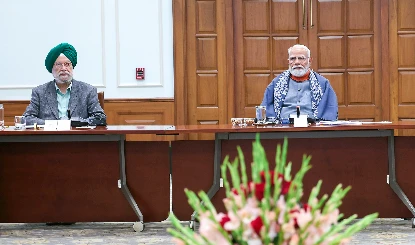
New Delhi, March 10, 2026 — In a swift and high-stakes response to the escalating Middle East conflict between Iran, Israel, and the United States, Prime Minister Narendra Modi convened a critical high-level PM Modi meeting on LPG with External Affairs Minister Subrahmanyam Jaishankar and Petroleum Minister Hardeep Singh Puri. The urgent discussions centered on assessing and mitigating the severe LPG shortage gripping the nation, triggered by the effective closure of the Strait of Hormuz — a vital global energy chokepoint now disrupted by military actions, retaliatory strikes, and heightened regional tensions.
This PM Modi meeting on LPG underscores the government’s proactive stance in safeguarding India’s energy security at a time when global supply chains face unprecedented strain. With India importing around 62% of its total LPG requirements — and 85-90% of those imports routing through the now-blocked Strait of Hormuz from key suppliers like Saudi Arabia, UAE, Kuwait, and Qatar — the crisis has created an immediate deficit, forcing strict prioritization and emergency interventions.
The Root Cause: Strait of Hormuz Closure and Geopolitical Turmoil
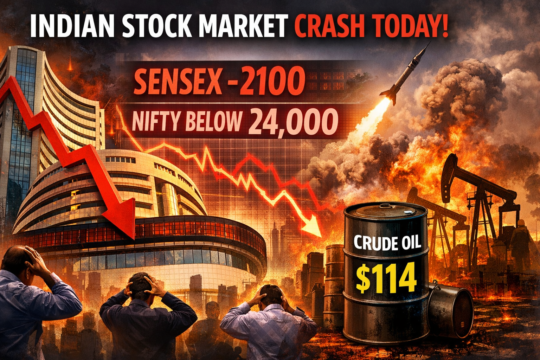
The ongoing Iran-Israel-US conflict has escalated dramatically, leading to military engagements that have rendered the Strait of Hormuz impassable for large-scale tanker traffic. This narrow waterway, linking the Persian Gulf to the open seas, handles approximately one-fifth of the world’s oil and substantial volumes of liquefied gases. Disruptions here have sent shockwaves through global energy markets, with crude prices surging past $100–$115 per barrel in recent days and LPG cargoes delayed or rerouted at massive additional costs.
For India — the world’s second-largest LPG consumer and importer after China — the impact is acute. Domestic production meets only a fraction of demand, leaving heavy reliance on Gulf shipments. Analysts warn that prolonged blockage could delay March imports significantly, tighten availability, inflate costs, and pressure subsidy burdens. While crude oil diversification has progressed (with recent reports indicating 70% of sourcing now outside Hormuz routes), LPG remains highly vulnerable due to limited strategic reserves and terminal constraints.
India’s Massive LPG Consumption Landscape
India’s annual LPG consumption stands at approximately 31.3 million tonnes (MMT) as of recent fiscal data, reflecting explosive growth driven by the Pradhan Mantri Ujjwala Yojana and widespread adoption of clean cooking fuel. From around 21.6 MMT in FY17, consumption has risen over 44% to 31.3 MMT in FY25, with projections pushing toward 33–34 MMT in FY26 amid increasing refill rates and commercial demand.
The consumption breakdown highlights stark priorities:
- Domestic sector (households): ~87% of total usage — millions of families depend on subsidized cylinders for daily cooking.
- Commercial & industrial sector (hotels, restaurants, eateries, malls, small industries): ~13% — often reliant on market-priced commercial cylinders.
This segmentation has become the cornerstone of the government’s crisis response. To shield ordinary citizens and prevent widespread hardship, authorities are channeling limited stocks overwhelmingly toward household users, leaving commercial sectors in a severe crunch.
Emergency Measures Rolled Out Post PM Modi Meeting on LPG
Following the PM Modi meeting on LPG, the Ministry of Petroleum and Natural Gas swiftly activated a comprehensive strategic plan:
- Boosting domestic production — Refineries operated by major Oil Marketing Companies (OMCs) like Indian Oil Corporation (IOC), Bharat Petroleum, and Hindustan Petroleum have been directed to maximize LPG output. This involves redirecting feedstock from petrochemical streams to LPG, with reports of production increases up to 10% in some cases.
- Extended refill booking cycle — Domestic consumers now face a 25-day booking window (up from 21 days) to discourage panic purchases, hoarding, and black marketing while stretching existing stocks.
- Strict prioritization — Household cooking gas remains fully protected. Imported and enhanced domestic LPG is funneled to essential non-domestic users, including hospitals and educational institutions, to sustain critical services.
- High-powered committee formation — A dedicated body of three Executive Directors from leading OMCs now reviews pleas from hotels, restaurants, and industries. Allocations for non-essential commercial use are decided on “merit, necessity, and product availability,” ensuring transparency amid scarcity.
Hindustan Petroleum Corporation Limited (HPCL) reinforced these actions via official statements and social media, assuring that despite significant geopolitical disruptions, enhanced production and prioritization are actively addressing household needs. The ministry has echoed this messaging, positioning the ED committee as the ultimate arbiter for commercial supplies during this “geopolitical disruption” period.
Ground-Level Impact: Commercial Sector Bears the Brunt
The LPG shortage has hit commercial users hardest. In major urban centers like Mumbai, Bengaluru, Chennai, Pune, and parts of Punjab, restaurants, hotels, and eateries report acute difficulties procuring cylinders. Many have scaled back operations, switched to costlier alternatives like firewood or electricity, or warned of temporary closures. Industry associations, including the India Hotels and Restaurant Association (AHAR) and Federation of Hotel and Restaurant Associations of India (FHRAI), have voiced deep concerns, urging urgent government intervention to avert widespread job losses and economic ripple effects in the hospitality sector.
Reports indicate some establishments in high-demand cities are already facing shutdown risks if supplies do not stabilize soon. This disparity — households largely insulated while businesses struggle — reflects deliberate policy to protect the voting public and vulnerable families first.
Broader Economic and Diplomatic Ramifications
The crisis extends beyond LPG. India’s overall energy import dependence exposes it to volatility: crude oil (over 80% imported), LNG, and fertilizers could face knock-on effects if disruptions persist. Freight and insurance premiums have spiked, global LPG availability tightened, and inflation risks loom as import bills rise.
Diplomatically, External Affairs Minister Jaishankar’s inputs in the PM Modi meeting on LPG likely focused on engaging alternative suppliers (US, Russia, West Africa) and maintaining channels with Gulf nations for eventual resumption. The government is scouting diversified routes and has invoked emergency powers under relevant acts to enforce distribution controls and curb profiteering.
Officials maintain optimism: existing stocks offer a buffer (estimated 2–4 weeks under rationing), domestic ramp-up continues, and no full household crisis is anticipated if the conflict de-escalates. However, prolonged blockage could force tougher choices.
Long-Term Lessons for India’s Energy Security
This episode highlights structural vulnerabilities despite progress in diversification and renewables. The PM Modi meeting on LPG signals strong leadership intent to shield citizens while accelerating strategies like refinery expansions, strategic reserves buildup, and reduced import reliance.
Citizens are urged to book refills responsibly, avoid panic, and stay updated via official channels. As developments unfold, the government’s coordinated response — born from today’s high-level deliberations — aims to minimize domestic hardship amid global uncertainty.
The PM Modi meeting on LPG serves as a pivotal moment in India’s handling of this crisis, balancing immediate relief with forward-looking resilience in an increasingly volatile energy landscape.