Iran IRGC Claims Full Control of Hormuz Strait 2026: Deadly Warning to Trump After Failed Pakistan Peace Talks
International Desk, Assam Barta, 13 April 2026: Tensions in the Middle East have escalated dramatically as Iran’s Islamic Revolutionary Guard Corps (IRGC) Navy declared full control over the strategic Hormuz Strait and issued a stern warning to the United States. The IRGC threatened that any “wrong step” by enemies would trap them in a “deadly vortex” in the vital waterway. This strong reaction came just hours after US President Donald Trump announced a naval blockade of the Hormuz Strait.
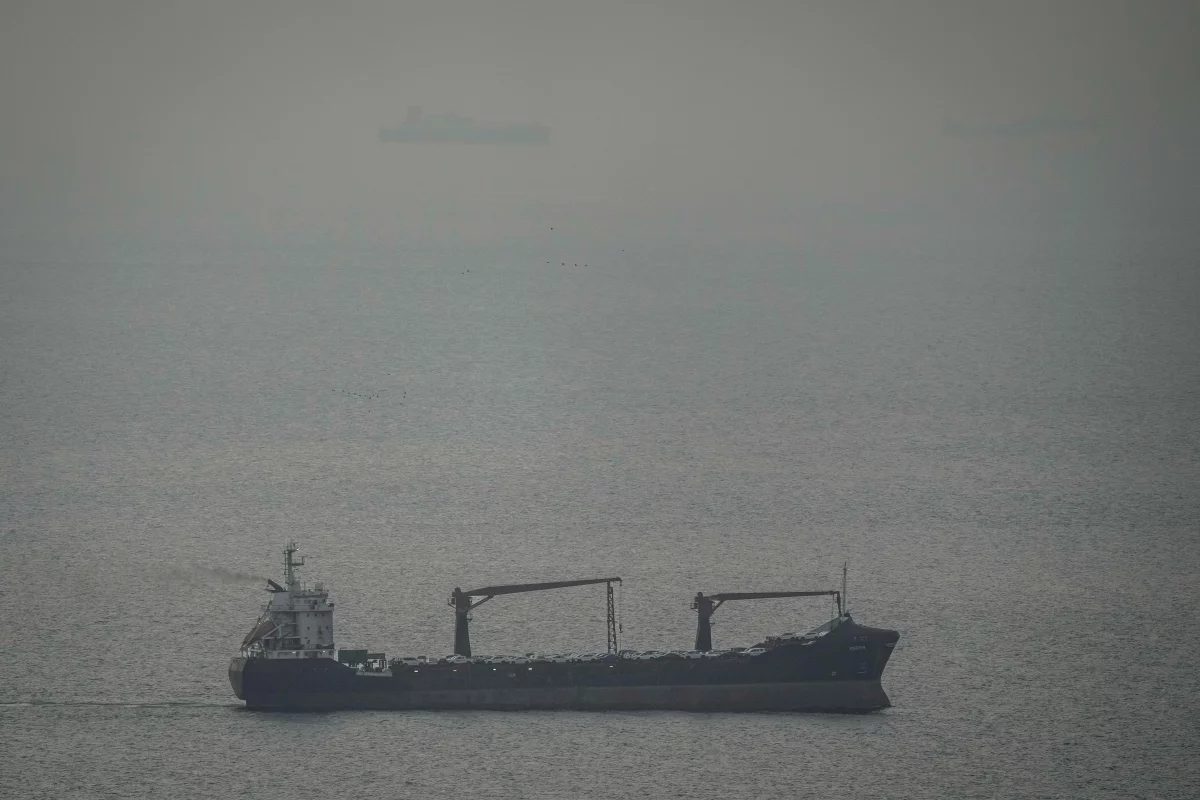
The Hormuz Strait, one of the world’s most critical chokepoints for global oil trade, has become the focal point of the ongoing US-Iran conflict. Roughly 20% of the world’s oil and liquefied natural gas passes through this narrow passage between the Persian Gulf and the Gulf of Oman. Any disruption here sends shockwaves through global energy markets, pushing oil prices higher and raising fears of a wider economic crisis.
IRGC Asserts Complete Control Over Hormuz Strait
On Sunday, the IRGC Naval Forces posted a strong statement on social media platform X in Persian, asserting that all maritime traffic and activities in the Hormuz Strait are now under the complete control of Iran’s armed forces.
The statement warned: “All traffic and non-traffic activities are under the full control of the armed forces. If the enemy takes any wrong step, they will be trapped in a deadly vortex in the Hormuz Strait.”
This bold claim by the Iran IRGC directly challenges President Trump’s announcement of an immediate US Navy blockade. The IRGC emphasized that while the strait remains open for non-military vessels under specific regulations, any approach by military ships would be viewed as a violation of the fragile ceasefire and met with a severe response.
Iran has long maintained the right to charge tolls on vessels passing through the Hormuz Strait, a practice Trump has repeatedly condemned as “extortion” and “illegal interference.”
Trump Announces US Navy Blockade of Hormuz Strait
President Donald Trump took to social media on Sunday to declare that the United States Navy — which he described as “the finest in the world” — would begin blockading “any and all ships” attempting to enter or leave the Hormuz Strait effective immediately.
Trump stated that the US would prevent vessels from passing through the waterway until Iran allows unrestricted oil flow. He further warned that any ship paying tolls to Iran would be intercepted in international waters, and potential mines in the strait would be destroyed.
This announcement came shortly after the collapse of marathon peace negotiations, heightening fears that the two-week-old ceasefire could collapse entirely.
21-Hour US-Iran Peace Talks Collapse in Islamabad
The latest escalation follows the failure of intensive 21-hour face-to-face peace talks held in Islamabad, Pakistan. The negotiations, mediated on Pakistani soil, involved a high-level US delegation led by Vice President JD Vance and an Iranian team headed by Parliament Speaker Mohammad Bagher Ghalibaf (also referred to as Mohammad Bakir Qalibaf).
The talks aimed to secure a ceasefire, address Iran’s nuclear program, and ensure safe passage through the Hormuz Strait. However, deep disagreements — particularly over Iran’s nuclear ambitions and ongoing regional conflicts involving Hezbollah and Israel — prevented any agreement.
Vice President JD Vance described the outcome as “bad news,” stating that the US needed a firm commitment from Iran not to pursue nuclear weapons or the tools to rapidly acquire them. Iran, on the other hand, rejected several US demands as “unreasonable” and accused Washington of shifting goalposts.
With no deal reached, the fragile two-week ceasefire now hangs in uncertainty, and the Hormuz Strait has emerged as the primary battleground for this renewed standoff.
Humanitarian and Economic Impact of the Conflict
The broader conflict, now entering its seventh week, has caused thousands of casualties. According to Lebanon’s Health Ministry, Israeli strikes have killed at least 252 women, 165 children, and 87 health workers, with over 6,588 people injured.
Global energy markets are already feeling the pressure. Disruptions in the Hormuz Strait have led to higher oil prices and concerns about fuel shortages worldwide. Experts warn that a full US blockade or Iranian countermeasures could trigger a severe energy crisis, affecting economies far beyond the Middle East.
Strategic Importance of the Hormuz Strait
The Hormuz Strait is just 21 miles wide at its narrowest point, making it easy to control or disrupt with naval forces, mines, or anti-ship missiles. Iran has historically threatened to close the strait in response to military pressure, a move that could halt a significant portion of global oil supplies.
By claiming “full control” of the Hormuz Strait, the IRGC is sending a clear message of deterrence. The use of dramatic language such as “deadly vortex” or “ghurnipak” underscores Iran’s willingness to respond forcefully to any perceived aggression.
Analysts note that this situation risks drawing in other regional and international players, potentially escalating into a larger confrontation involving the US, Iran, Israel, and Gulf states.
What Happens Next? Global Calls for Restraint
International observers and diplomats are urging both sides to exercise maximum restraint and return to the negotiating table. The international community fears that miscalculations in the Hormuz Strait could lead to accidental clashes with devastating consequences for global trade and security.
Pakistan, which hosted the failed talks, has expressed willingness to continue mediation efforts. However, with positions hardened on both sides — especially regarding Iran’s nuclear program and freedom of navigation in the Hormuz Strait — a quick resolution appears unlikely.
President Trump has repeatedly emphasized that the US seeks free and safe passage for all vessels, while Iran insists on its sovereign rights over the strategic waterway.
Background of the Ongoing Crisis
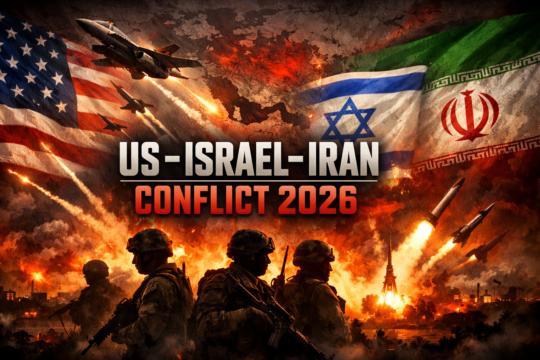
The current tensions are part of a longer-running conflict that intensified in early 2026. US and Israeli operations targeted Iranian military and nuclear facilities, leading to significant casualties and infrastructure damage. In response, Iran and its allies disrupted shipping in the Hormuz Strait, prompting the latest cycle of threats and countermeasures.
The failed Islamabad talks represent the most direct high-level engagement between Washington and Tehran in years, yet the inability to bridge differences on core issues like nuclear capabilities and regional proxies has left the situation more volatile.
As the Hormuz Strait crisis deepens, the world watches closely. Any military action in this narrow passage could not only escalate the US-Iran conflict but also trigger a global economic downturn through energy price shocks and supply chain disruptions.
Conclusion: A Dangerous Flashpoint
The IRGC’s assertion of full control over the Hormuz Strait and its sharp warning against any “wrong move” have dramatically raised the stakes following Trump’s blockade announcement. With peace talks in Pakistan ending without agreement, the risk of direct confrontation in one of the world’s most vital maritime routes has never been higher.
For now, the Hormuz Strait remains a powder keg. Diplomatic efforts must intensify to prevent a full-scale naval crisis that could engulf the region and impact the global economy. All parties are urged to prioritize dialogue over escalation in this critical moment for international peace and energy security.
May wisdom prevail so that the Hormuz Strait continues to serve as a pathway for trade rather than a theatre of conflict.