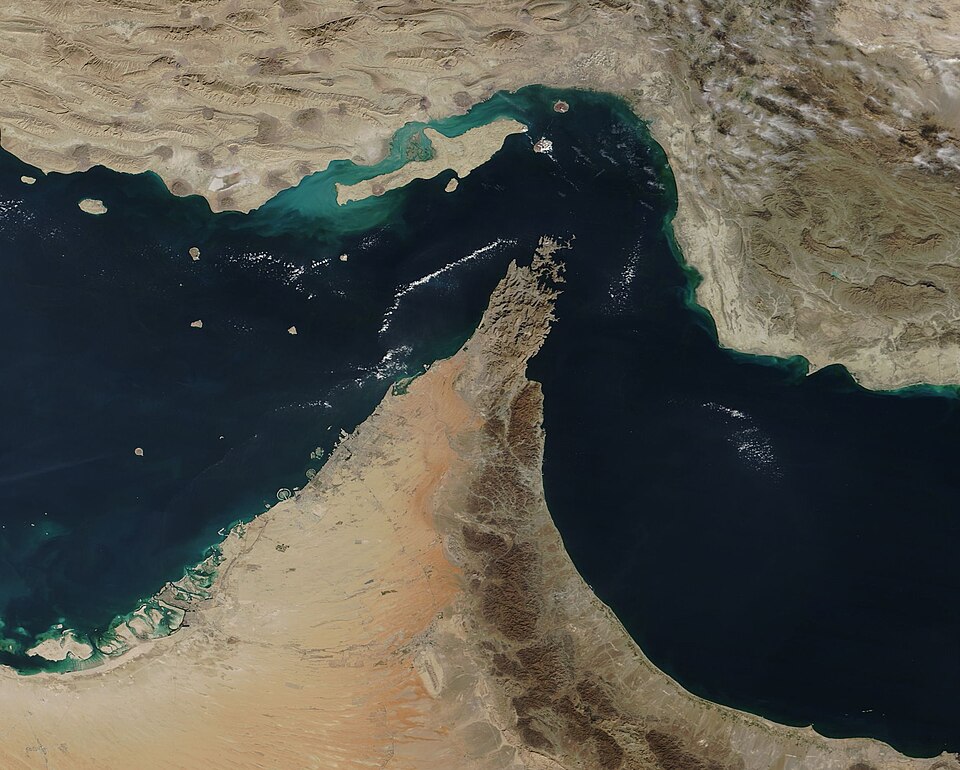
The escalating Iran-US conflict has reached a critical juncture with threats to close the Strait of Hormuz completely, amid ongoing military exchanges between Iran, the United States, and Israel. This narrow waterway remains one of the world’s most vital chokepoints for global energy supplies, and its partial closure since late February 2026 has already driven up oil prices, disrupted tanker traffic, and sent shockwaves through international markets.
Iran Threatens Complete Closure of Strait of Hormuz After Trump 48-Hour Ultimatum to Strike Power Plants | Latest US-Iran Conflict Updates 2026
The Strait of Hormuz crisis intensified dramatically on Sunday as Iranian officials, including the Islamic Revolutionary Guard Corps (IRGC), declared that the vital waterway would be “completely closed” and remain shut until any damaged Iranian power plants are rebuilt. This defiant response came directly after US President Donald Trump issued a stark 48-hour ultimatum via social media, demanding that Iran fully reopen the strait without threats or face devastating US strikes on its energy infrastructure.
Trump’s warning was unequivocal: “If Iran doesn’t FULLY OPEN, WITHOUT THREAT, the Strait of Hormuz, within 48 HOURS from this exact point in time, the United States of America will hit and obliterate their various POWER PLANTS, STARTING WITH THE BIGGEST ONE FIRST.” Posted from his Florida residence over the weekend, the statement reflects mounting domestic pressure in the US over surging energy costs triggered by the now four-week-old conflict.
In retaliation, the IRGC emphasized that energy sites in countries hosting US bases would become “lawful” targets if American forces act on the threat. Iranian Parliament Speaker Mohammad Baqer Qalibaf reinforced this position, warning that any attack on Tehran’s infrastructure would lead to the “irreversible destruction” of key facilities across the region, including energy, technology, and water infrastructure in the Gulf. Iranian military spokespersons echoed this, signaling readiness to target US-linked assets such as desalination plants critical for drinking water in several Gulf nations.
The Strait of Hormuz has been a flashpoint since the broader US-Israeli military operations against Iran began in late February 2026. Iran effectively restricted passage starting around February 28, following initial strikes that included high-profile targets. Shipping traffic plummeted as threats of attacks on vessels mounted, with IRGC naval forces broadcasting warnings that passage was prohibited for most ships. While not a total physical blockade with mines or constant seizures, the combination of explicit prohibitions, drone and missile incidents targeting commercial vessels, and ongoing hostilities has reduced transits to a fraction of normal levels—dropping from over 150 vessels per day to as low as a daily average of 13 in early March.
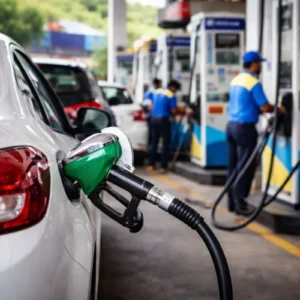
This disruption affects roughly one-fifth of global oil supplies and a significant portion of liquefied natural gas (LNG), primarily from Gulf producers like Saudi Arabia, Iraq, the UAE, and Qatar. The partial closure has already caused tanker movements to decline sharply, pushed fuel prices higher worldwide, and contributed to volatility in global markets. Oil benchmarks surged in response to the initial hostilities, with some periods seeing prices exceed $100 per barrel amid fears of prolonged shutdowns.
The current volatility stems from a multi-front war. US and Israeli strikes have intensified since March 21, focusing on areas around Tehran, central Iran, and southern regions near the Strait of Hormuz. Targets have included missile sites, nuclear-related facilities, and energy infrastructure. In response, Iran has launched over 400 ballistic missiles since the conflict’s onset, according to the Israel Defense Forces (IDF), with approximately 92% intercepted before impact. Fresh missile barrages triggered air raid sirens across Israel, with strikes reported on various locations.
Iran-backed Hezbollah has compounded the pressure by launching repeated rocket attacks on Tel Aviv and other Israeli areas. Israel has countered with airstrikes and ground operations in southern Lebanon, further escalating the regional dimension of the conflict.
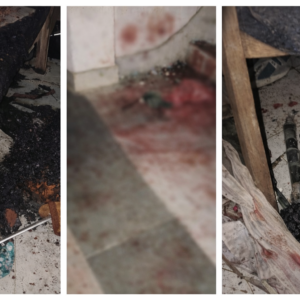
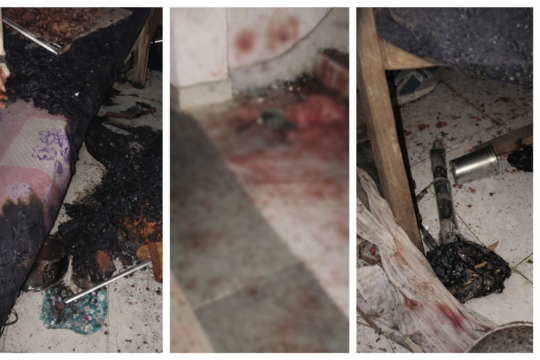
Civilian impacts are severe on both sides. Iran’s Red Crescent reported over 81,000 civilian homes and buildings damaged by US-Israeli strikes, highlighting the humanitarian toll. In Israel, authorities noted that more than 2,700 people have been displaced due to Iranian attacks, with government support providing temporary shelter and aid.
The Strait of Hormuz standoff represents Iran’s most potent leverage in the conflict. By restricting access—allowing limited passage for its own exports to allies like China while denying others—Iran aims to impose massive economic costs on the US and its partners, pressuring a de-escalation or concessions. Analysts note that while the US Navy possesses the capability to counter Iranian disruptions through escorts, mine countermeasures, and air superiority, any effort to forcibly reopen the strait could take days to months and risk broader escalation.
Trump’s ultimatum acknowledges this leverage, as the closure has exacerbated domestic US energy price pressures. Allies have expressed reluctance to fully engage in reopening efforts, with some European nations and others balking at direct involvement. The US has provided political risk insurance for maritime trade and positioned assets, but no large-scale naval escort operations through the strait have been confirmed yet.
As the 48-hour deadline approaches, the world watches closely. A US strike on Iranian power plants could trigger reciprocal attacks on regional infrastructure, potentially crippling water supplies via desalination facilities and further disrupting energy flows. Iran’s insistence that the strait will remain closed until its facilities are restored signals no immediate retreat.
This US-Iran conflict and the Strait of Hormuz crisis underscore the fragility of global energy security. With missile exchanges continuing, Hezbollah active on Israel’s northern border, and economic ripples spreading far beyond the Middle East, the coming hours could determine whether the situation spirals into a wider regional or even global confrontation or finds a path to de-escalation amid mounting costs on all sides.
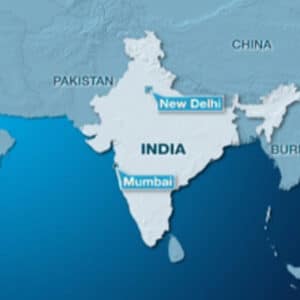
The international community, including major oil importers like China, India, and Europe, faces unprecedented challenges as shipping insurers raise war risk premiums, rerouting options remain limited, and prices continue to fluctuate. The Strait of Hormuz—just 21 miles wide at its narrowest—remains the linchpin, where military posturing meets economic reality in one of the most dangerous standoffs in recent history.