Colombia Plane Crash 2026: At Least 34 Dead After C-130 Hercules Military Plane Crashes in Putumayo – Latest Updates on Puerto Leguízamo Tragedy
Colombia Plane Crash Shocks Nation: Deadly C-130 Hercules Incident in Putumayo Claims Dozens of Lives
In a devastating Colombia plane crash that has sent shockwaves through the South American nation, a Colombian Air Force Lockheed Martin C-130 Hercules military transport plane crashed shortly after takeoff on Monday, March 23, 2026, in the remote Amazonian region of Putumayo. The tragedy, occurring near the town of Puerto Leguízamo, has so far claimed at least 34 lives, with more than 80 others injured, according to evolving reports from local and national authorities.
This colombia plane crash marks one of the deadliest incidents involving the country’s armed forces in recent years, highlighting ongoing concerns about the aging military aviation fleet and the challenges of operating in Colombia’s rugged southern terrain.
What Happened in the Colombia Plane Crash? Timeline and Initial Details
The ill-fated aircraft, identified as a US-made C-130 Hercules (registration FAC1016), was carrying 125 people on board — including 114 army personnel (soldiers and security forces) and 11 crew members. It took off from Caucayá Airport in Puerto Leguízamo, Putumayo department, en route to another city in the same province, likely Puerto Asís.
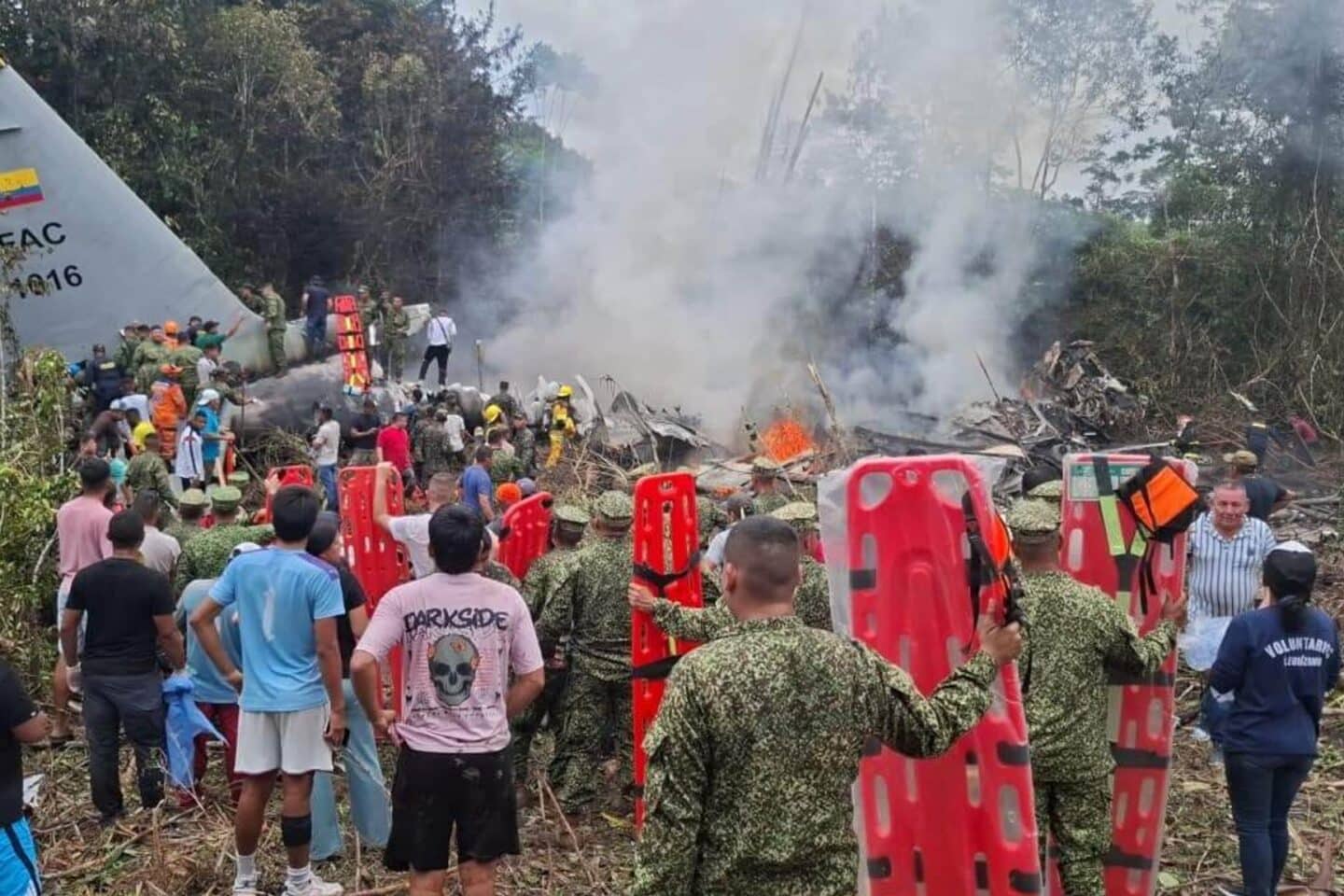
According to Defence Minister Pedro Sánchez, the plane suffered a “tragic accident” just 1.5 km (0.9 miles) from the runway during the initial climb-out phase. The aircraft came down in a rural, jungle-adjacent area, erupted in flames, and the onboard ammunition detonated as a result of the post-crash fire. Officials have ruled out any indication of an “attack by illegal actors,” pointing instead toward a mechanical or operational issue.
Air Force Commander Carlos Fernando Silva Rueda confirmed the passenger manifest and reported that emergency responders initially pulled 48 injured individuals from the wreckage. Regional Governor Jhon Gabriel Molina later updated the casualty figures, stating at least 34 people were confirmed dead, with 21 bodies still awaiting identification. More than 80 others sustained injuries, some critical, and were rushed to hospitals. Two medical evacuation planes with 74 beds were dispatched to airlift the wounded to facilities in Bogotá and other major cities.
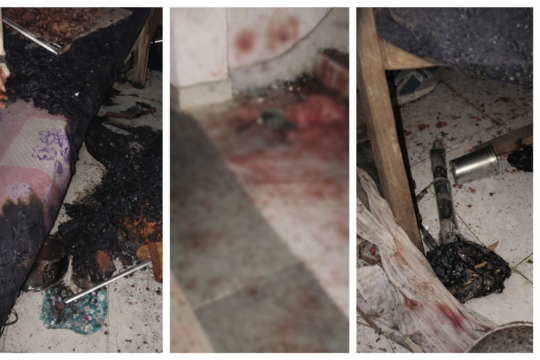
Eyewitness accounts and footage shared by local media depict a chaotic scene: thick plumes of black smoke rising from the crash site, emergency workers sifting through twisted metal and debris, and locals using small motorbikes to transport injured soldiers to medical care. Trucks carrying additional soldiers hurried to the remote location to assist in search and rescue operations.
The colombia plane crash occurred in a strategically sensitive border area near Peru and Ecuador, a region known for its dense Amazon rainforest, challenging weather conditions, and occasional security concerns related to armed groups. Despite the difficult terrain, rapid response efforts by Colombian emergency services helped save dozens of lives.
Casualties and Rescue Efforts in the Puerto Leguízamo Plane Crash
Casualty numbers in this Colombia plane crash have fluctuated as information emerges. Early reports cited lower death tolls (around 1-8 confirmed fatalities), but Governor Molina’s update raised the figure to at least 34 killed, with 83+ survivors hospitalized. Some officials noted that four individuals remained unaccounted for initially, though most have now been located among the injured or deceased.
Of the 125 occupants:
- Fatalities: At least 34 (including soldiers and possibly crew)
- Injured: Over 80, with 14 reported in critical condition
- Rescued early: 48 pulled directly from the wreckage
Hospitals in the region and capital are on high alert, treating burns, fractures, smoke inhalation, and trauma from the impact and subsequent fire. The detonation of ammunition complicated rescue efforts, as firefighters and medics worked amid risks of further explosions.
President Gustavo Petro addressed the nation via X (formerly Twitter), describing the incident as a “horrendous accident that should not have happened.” He expressed condolences to the families of the victims and emphasized the human cost: “The lives of our young people are at stake.”
President Petro Blames Bureaucratic Delays for Modernization Issues
In a lengthy social media post following the colombia plane crash, President Petro linked the tragedy to long-standing issues with Colombia’s military equipment. He revealed that plans to modernize the armed forces’ aircraft and fleet have faced repeated “bureaucratic problems” and delays. Petro vowed: “I will allow no further delays,” warning that administrative officials — civilian or military — who fail to act decisively could face removal.
This statement has sparked debate about the state of Colombia’s air fleet. The country acquired its first C-130 Hercules in the late 1960s, with some aircraft later upgraded using models from the United States. Critics argue that many planes in the inventory are decades old, potentially contributing to maintenance and reliability challenges in harsh operational environments like the Amazon.
Defence Minister Sánchez echoed the call for thorough investigation while offering condolences. No foul play is suspected, but a full technical probe by Colombian authorities, possibly with international assistance, is underway to determine the exact cause — whether engine failure, pilot error, weather, overloading, or another factor.
Background on the C-130 Hercules: Workhorse of Military Transport
The Lockheed Martin C-130 Hercules is a legendary four-engine turboprop aircraft renowned for its versatility in troop transport, cargo hauling, and operations on short, unprepared runways. Colombia has relied on the type for decades to support security operations, disaster relief, and logistics in remote areas.
However, like many nations operating older C-130 variants, Colombia has faced challenges with aging airframes. Recent modernization efforts have included upgrades to avionics and engines, but the fleet’s overall condition remains a point of discussion, especially after this colombia plane crash.
Just last month, in February 2026, a Bolivian Air Force C-130 Hercules crashed in El Alto near La Paz after a runway excursion, killing over 20 people (including ground victims) and injuring dozens. That incident involved a plane carrying banknotes and highlighted similar risks with aging Hercules aircraft in Andean and Amazonian regions. While circumstances differ, the back-to-back events have raised regional concerns about military aviation safety in South America.
Putumayo Region: Strategic Yet Challenging Terrain
Puerto Leguízamo lies deep in Colombia’s Putumayo department, an Amazonian province bordering Peru and Ecuador. The area is rich in biodiversity but poses significant operational difficulties for aviation — high humidity, frequent rain, dense vegetation, and limited infrastructure.
The province has historically been linked to security operations against guerrilla groups and drug trafficking networks, making troop transport missions routine yet high-stakes. The colombia plane crash in this remote location initially hampered rescue access, relying heavily on local communities and military ground teams.
Images from the site show soldiers and civilians working side by side, underscoring national solidarity in the face of tragedy.
Investigation Underway: What We Know and Don’t Know Yet
As of March 24, 2026, the official investigation continues. Key areas of focus include:
- Black box data (flight data recorder and cockpit voice recorder)
- Maintenance records of the specific C-130
- Weather conditions at takeoff
- Aircraft weight and balance (given the troop transport load)
- Possible bird strikes or foreign object damage
Defence Minister Sánchez stressed there was “no indication of an attack,” aiming to quell speculation in a country where internal conflicts have sometimes involved sabotage.
Aviation experts note that takeoff and initial climb are critical phases where engine performance is paramount. Any issue with one or more of the four turboprop engines could lead to loss of control, especially in a heavily loaded transport plane.
Broader Implications for Colombian Military and Aviation Safety
This colombia plane crash has intensified calls for fleet renewal. President Petro’s government has prioritized modernizing the armed forces, but bureaucratic hurdles — procurement rules, budget constraints, and oversight processes — have slowed progress.
Military analysts suggest that while the C-130 remains reliable when properly maintained, older airframes require more intensive upkeep. Colombia’s geography demands robust transport capabilities, from Andean highlands to Amazon lowlands.
The incident also prompts reflection on pilot training, crew resource management, and emergency preparedness in remote operations. Colombia’s Air Force has a strong safety record overall, but any loss of life in military aviation is deeply felt.
Families of the victims are receiving support, and national mourning has begun. The armed forces have declared a period of reflection, with flags at half-mast at bases across the country.
Comparison with Recent Similar Incidents
The Colombian tragedy echoes the February 2026 Bolivian C-130 crash in El Alto, where the plane skidded off the runway onto a highway, killing 24 and injuring 43. That event involved ground casualties and scattered currency, adding chaos. Both cases involve Hercules aircraft in challenging high-altitude or jungle environments, underscoring the demands placed on these workhorse planes.
Globally, C-130 incidents are relatively rare given the thousands of flight hours accumulated, but when they occur in military service, they often involve higher passenger loads and operational risks.
Ongoing Developments and How to Stay Updated
Authorities continue to update casualty figures as identifications proceed. Medical teams are working around the clock, and psychological support is being offered to survivors and families.
For the latest on this colombia plane crash, monitor official statements from the Colombian Air Force, Defence Ministry, and President Petro’s office. Independent aviation safety databases will likely publish preliminary reports in the coming weeks.
This tragedy serves as a sobering reminder of the risks faced by those serving in Colombia’s security forces, especially in remote regions. As the investigation unfolds, the nation hopes for answers that can prevent future losses and accelerate much-needed modernization.