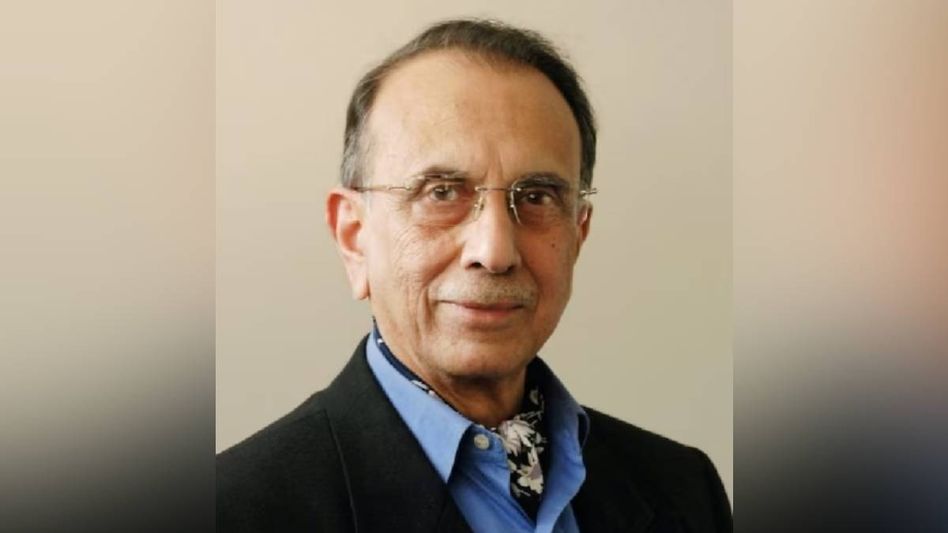
Guwahati: In the midst of Magh Bihu celebrations, Assam received tragic news with the passing of one of its most respected literary figures and journalists, Pradip Baruah. The veteran editor and founder-figure of the iconic Assamese magazine Prantik breathed his last at the age of 87 on Wednesday at Down Town Hospital in Guwahati.
Baruah had been undergoing treatment for some time. According to family sources, he suffered a heart attack on Wednesday, following which he passed away. His mortal remains were brought to his residence around 8:30 AM on Thursday morning, and the last rites are scheduled to be performed at Navagraha Crematorium at approximately 11:00 AM the same day.
The news of his demise has plunged the entire Assamese literary and journalistic community into deep mourning.
Chief Minister Dr. Himanta Biswa Sarma expressed profound grief through a post on social media, writing:
“On this very day of Magh Bihu, the news of the passing of the illustrious Pradip Baruah Da has left every Assamese deeply saddened. Through the exceptional Assamese magazine Prantik, he not only ushered in a unique era of literary pursuit but also enriched Assam’s journalistic landscape in an unparalleled way. His absence has created an irreparable void for all of us.”
Early Life and Education
Born on 3 September 1938 in Dibrugarh, Pradip Baruah began his schooling at Don Bosco School, Guwahati. He later graduated from Cotton College. He was the youngest son of the legendary figure Radhagobinda Baruah (popularly known as Singhpurush). Notably, his elder brother Prafulla Gobinda Baruah had passed away just a few days earlier.
Legacy with Prantik
Pradip Baruah had been associated with Prantik since its inception in 1981. For over four decades, he served as its editor, nurturing the magazine into one of the most respected and progressive platforms in Assam. Under his guidance, Prantik became a prestigious forum for literature, socio-political discourse, culture, science, and progressive thought—shaping generations of readers and writers across the state.
Speaking to the media after his father’s demise, his daughter fondly recalled his lifelong commitment to independent journalism. She said:
“My father was always fiercely independent. He never wanted to work under anyone’s control. Prantik was like his own child. We will do everything possible to keep it alive. Prantik will continue to shine under the skies of Assam.”
Pradip Baruah’s contributions to Assamese literature, journalism, and intellectual discourse will be remembered for generations to come. His departure marks the end of an era in Assam’s cultural and literary history.