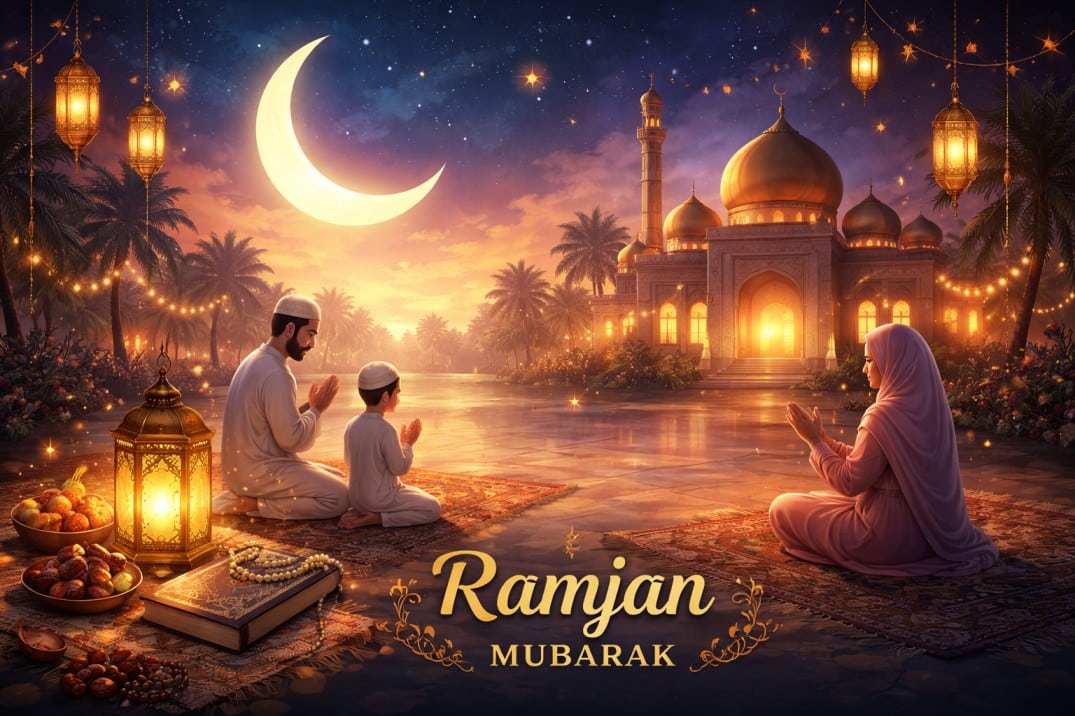
The holy month of Ramzan (also widely known as Ramadan or Ramzan in many communities) has officially commenced for millions of Muslims worldwide, marking a profound period of spiritual renewal, self-discipline, and compassion. As one of the Five Pillars of Islam, Ramzan is observed through fasting (sawm), heightened devotion, reflection on the Quran, increased charity, and fostering stronger community ties.
Comprehensive Guide to Ramzan 2026: Dates, Significance, Practices, and More
Ramzan 2026 began on February 19, 2026, in many regions, including South Asia, following the successful sighting of the crescent moon (Hilal) on the evening of February 18, 2026. This lunar-based commencement aligns with traditional moon-sighting practices, where local committees and communities confirm the start of the month. In contrast, some countries like Saudi Arabia announced the beginning on February 18, 2026, highlighting the natural variations due to geographic differences in visibility and sighting methodologies.
The Islamic lunar calendar causes Ramzan dates to shift approximately 10–11 days earlier each Gregorian year. For Ramzan 2026, the month is expected to span 29 or 30 days, concluding around mid-March 2026 (likely March 18–20, depending on the next moon sighting), followed by the joyous celebration of Eid al-Fitr.
Ramzan derives its name from the Arabic root “ramida” or “ar-ramad,” signifying intense heat or scorching dryness—evoking the parched conditions of pre-Islamic Arabia and symbolizing the “burning away” of sins through fasting and devotion. Muslims commemorate the revelation of the Quran to Prophet Muhammad (peace be upon him) by the Angel Gabriel, beginning in the Cave of Hira during this month.
A highlight is Laylat al-Qadr (the Night of Power or Decree), believed to occur on one of the odd nights in the final ten days—most commonly the 27th night. The Quran describes it as better than a thousand months, encouraging intensified worship, supplications, and seeking forgiveness.
The Core Practice: Fasting (Roza/Sawm) in Ramzan
Fasting during Ramzan is obligatory for every sane, adult Muslim who is physically able. From dawn (Fajr) to sunset (Maghrib), participants abstain from:
- All food and beverages, including water
- Smoking and intoxicants
- Marital relations
- Negative actions like lying, gossiping, arguing, anger, or any form of immorality
The fast opens with Sehri (Suhoor), a pre-dawn meal rich in nutrients to sustain energy—often including complex carbs, proteins, and hydration sources like fruits and nuts. It ends with Iftar, traditionally beginning with dates and water (following the Prophet’s Sunnah), followed by a balanced meal.
Fasting builds Taqwa (God-consciousness), empathy for the hungry and needy, gratitude, and self-control. It is not merely physical restraint but a holistic purification of body, mind, and soul.
Exemptions are granted compassionately to the ill, elderly, travelers, pregnant or breastfeeding women, and menstruating women. Missed fasts are typically made up later (Qada), or for permanent exemptions, Fidyah (feeding the needy per missed day) is offered.
Deeper Spiritual Practices and Observances
Ramzan transcends physical fasting to emphasize spiritual growth:
- Tarawih Prayers: Special extended night prayers performed in congregation after Isha, where portions of the Quran are recited melodiously.
- Quran Recitation and Reflection: Many aim to complete the entire Quran (Khatam) during the month, with increased Tajweed (proper recitation) and Tafsir (exegesis) sessions.
- Charity and Generosity: Voluntary Sadaqah multiplies in reward, while Zakat al-Fitr (a mandatory charity of food or its value) is given before Eid prayers to ensure the poor can celebrate.
- Dhikr, Dua, and Self-Improvement: Muslims focus on patience (Sabr), kindness, forgiveness, controlling desires, and breaking bad habits.
The month serves as an annual “spiritual boot camp,” renewing faith and drawing believers closer to Allah.
Cultural and Communal Dimensions of Ramzan
Ramzan unites families and communities through shared experiences. Iftar gatherings range from modest home meals to large communal iftars, emphasizing inclusivity—often inviting neighbors, friends of other faiths, and the less fortunate.
Markets come alive with special preparations: dates, sweets, traditional beverages, and festive foods for Sehri and Iftar. Mosques host lectures, Quran competitions, and charity drives. Acts of kindness, such as distributing food to the needy or organizing community meals, embody the spirit of compassion.
In diverse societies, Ramzan promotes interfaith harmony, with non-Muslims sometimes joining Iftars or learning about the observances.
Ramzan 2026: Current Timings and Expectations
As Ramzan 2026 progresses, fasting hours vary by location due to seasonal daylight differences. Early days feature moderate durations, with potential adjustments as the month advances.
The month culminates in Eid al-Fitr, announced after sighting the Shawwal crescent. Celebrations include special Eid prayers, feasting, exchanging gifts, visiting family, and giving Eidi (gifts to children).
Why Ramzan Matters: A Month of Mercy and Transformation
Ultimately, Ramzan is described in Islamic tradition as a month of mercy (Rahma), forgiveness (Maghfirah), and emancipation from Hellfire (Itq min an-Nar). It offers believers a chance to reset spiritually, seek Allah’s blessings, purify intentions, and extend generosity.
Whether through personal devotion, family bonds, or communal service, Ramzan inspires millions to embody the best of humanity.
Ramadan Mubarak to all observing Ramzan 2026! May this blessed month bring peace, forgiveness, and countless rewards. 🌙