Pakistan Airstrike on Afghanistan Hospital in Kabul Kills Over 400: Taliban Claims Civilian Massacre Amid Border War Escalation
The Pakistan airstrike on Afghanistan unfolded against the backdrop of a rapidly deteriorating relationship between the two neighboring countries. The airstrike hit the large 2,000-bed drug rehabilitation facility in Kabul, destroying significant portions of the building. Afghan officials described the site as a civilian medical center dedicated to treating individuals struggling with opioid addiction—a persistent crisis in Afghanistan, where decades of war, poverty, and opium production have fueled one of the world’s highest rates of drug dependency.
Afghanistan’s deputy government spokesperson, Hamdullah Fitrat, provided early details, stating that the facility was struck directly, leading to massive structural damage and heavy loss of life among inpatients. Health Ministry spokesperson Sharafat Zaman echoed this, initially reporting over 200 deaths but later revising the figure upward as rescue operations continued. “We lost more than 200 admitted patients here,” Zaman said in statements shared via local media and videos circulating online. He emphasized that the hospital had no military presence, calling the strike a direct attack on innocent civilians and patients.
Taliban government spokesperson Zabihullah Mujahid strongly condemned the action in a post on X (formerly Twitter), accusing Pakistan of deliberately “targeting hospitals and civilian sites to perpetrate horrors.” He described the victims as “addicts who were undergoing treatment” and labeled the incident a “crime against humanity” that violated all accepted principles of warfare. Mujahid further asserted that the Pakistani military had breached Afghan airspace once again, continuing a pattern of aggression that has included previous strikes on civilian areas.
On the Pakistani side, officials have categorically rejected these allegations. Pakistan’s Information Minister Attaullah Tarar stated that the military conducted “precision airstrikes” targeting only military installations in Kabul and Nangarhar province. He specified that “technical support infrastructure and ammunition storage facilities” at two locations in Kabul were destroyed. Tarar insisted these sites were being used by the Afghan Taliban regime to support “multiple terror proxies” operating against Pakistan.
Pakistan’s Ministry of Information reinforced this narrative on X, describing the operations as “precise and carefully undertaken to ensure no collateral damage.” They dismissed Mujahid’s claims as “false and misleading,” designed to inflame public sentiment and deflect from what Islamabad calls Afghanistan’s “illegitimate support for cross-border terrorism.” A spokesman for Prime Minister Shehbaz Sharif, Mosharraf Zaidi, also called the hospital targeting accusations “baseless,” reiterating that no civilian facilities were hit.
This latest incident occurred mere hours after reports of intense exchanges along the shared border. Afghan officials stated that four people, including two children, were killed and 10 wounded in Khost province when mortar shells allegedly fired from Pakistan struck villages overnight. Mustaghfar Gurbaz, spokesperson for the Khost provincial governor, confirmed the destruction of several homes in the attack. These border skirmishes mark the third week of the deadliest fighting between the neighbors in recent years.
The current escalation traces back to late February 2026, when Afghanistan launched cross-border attacks in retaliation for earlier Pakistani airstrikes that Kabul claimed killed civilians. A Qatar-brokered ceasefire from October had temporarily halted hostilities after prior clashes claimed dozens of lives among soldiers, civilians, and militants. However, the truce unraveled amid mutual accusations.
Pakistan has long accused the Taliban-led Afghan government of providing safe haven to the Tehrik-i-Taliban Pakistan (TTP, also known as the Pakistani Taliban), a designated terrorist group by the United States and others. Islamabad claims TTP militants use Afghan territory to launch attacks inside Pakistan, targeting security forces and civilians. Kabul consistently denies these charges, while counter-accusing Pakistan of supporting anti-Taliban elements or conducting unprovoked aggression.
Pakistan’s Defence Minister Khawaja Asif has described the situation as “open war” with Afghanistan, signaling a shift toward more aggressive military posture. This rhetoric has been accompanied by repeated strikes into Afghan territory, often justified as counter-terrorism operations against TTP and other groups.
The international community has responded with concern. Just prior to the Kabul strike, the UN Security Council unanimously adopted a resolution calling on the Taliban rulers to intensify efforts against terrorism. While not naming Pakistan directly, the measure condemned “all terrorist activity including terrorist attacks” and extended the UN Assistance Mission in Afghanistan (UNAMA) for three months. Reports from humanitarian organizations, including OCHA, have highlighted the growing civilian toll, with airstrikes and clashes displacing thousands and restricting aid access in affected provinces like Kabul, Nangarhar, Khost, and others.
The Pakistan airstrike on Afghanistan—particularly the alleged targeting of a medical facility—raises grave questions under international law. Attacks on hospitals are prohibited under the Geneva Conventions unless they are being used for military purposes, a claim Pakistan has not made regarding this specific site. Independent verification remains challenging due to restricted access and conflicting narratives from both sides. Eyewitness accounts from Kabul described explosions, smoke plumes over areas like Shahr-e-Naw and Wazir Akbar Khan, and panicked residents fleeing after iftar during Ramadan.
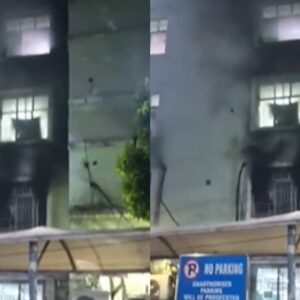
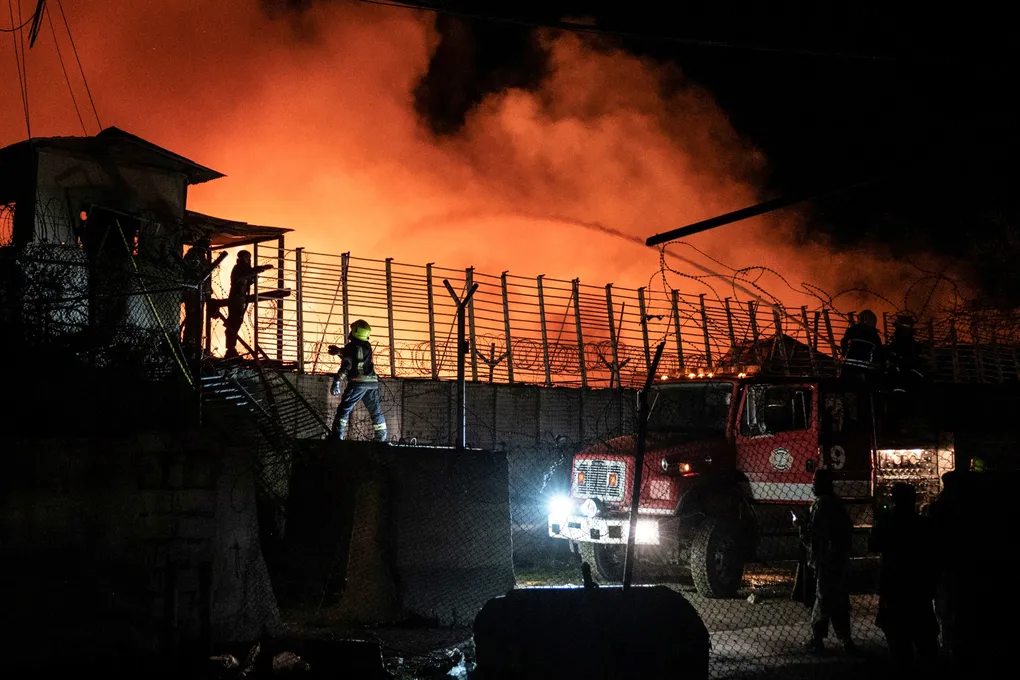
Rescue efforts at the site have been hampered by structural collapses, fires, and the sheer scale of destruction. Taliban security personnel and firefighters worked to recover bodies and extinguish flames, with early visuals showing significant debris and emergency vehicles. The facility reportedly housed thousands receiving treatment, underscoring Afghanistan’s ongoing battle with drug addiction amid economic collapse and isolation since the Taliban’s 2021 takeover.
This event could further complicate regional dynamics. Neighbors like Iran, China, and Central Asian states have expressed worry over instability spilling over. The U.S. and other Western powers, while focused elsewhere, monitor the situation given historical ties and counter-terrorism interests.
As casualty figures are updated and investigations demanded, the Pakistan airstrike on Afghanistan hospital incident stands as a tragic flashpoint in a conflict fueled by deep-seated grievances over borders, militancy, and sovereignty. Both nations appear locked in a cycle of retaliation with no immediate de-escalation in sight, leaving civilians bearing the heaviest burden.