Lockdown in India 2026: Rumours Completely False, No Proposal Under Consideration Says Hardeep Singh Puri Amid Iran-US War Energy Crisis
Lockdown in India 2026: Government Firmly Debunks Nationwide Lockdown Rumours Amid Global Energy Turmoil
In a significant clarification that aims to quell rising public anxiety, Union Minister for Petroleum and Natural Gas Hardeep Singh Puri has categorically stated that rumours of a lockdown in India are “completely false.” Speaking on Friday, March 27, 2026, the minister emphasized that no such proposal is currently under consideration by the Government of India. This official denial comes at a critical juncture when global uncertainties stemming from the ongoing Iran-US war (also involving Israel) have triggered widespread speculation about potential restrictions on movement and economic activity in the country.
The minister took to the social media platform X (formerly Twitter) to address the nation directly, urging citizens to remain calm, responsible, and united. “Rumours of a lockdown in India are completely false. Let me state this clearly, there is no such proposal under consideration by the Government of India. In such times, it is important that we remain calm, responsible, and united. Attempts to spread rumours and create panic in such a situation are irresponsible and harmful,” Puri posted.
This strong rebuttal follows a surge in online searches and viral posts questioning “Is lockdown coming back to India?” or “India lockdown news 2026.” The buzz intensified around the sixth anniversary of the 2020 COVID-19 nationwide lockdown on March 24, 2026, coinciding with concerns over energy supply disruptions.
Background: What Sparked the Lockdown in India Rumours?
The speculation gained momentum after Prime Minister Narendra Modi addressed Parliament on the escalating crisis in West Asia. In his speeches in both the Lok Sabha and Rajya Sabha, the PM highlighted the “worrisome” situation, its potential long-term economic implications, and the need for India to stay “prepared and united,” drawing parallels with the country’s resilient response during the COVID-19 pandemic.
Importantly, PM Modi did not mention the word “lockdown” in his addresses. His remarks focused on administrative preparedness, contingency planning for supply chains, energy security, and protecting citizens from global shocks — particularly for the nearly one crore Indians living and working in the Gulf region. However, misinterpretations spread rapidly on social media, leading many to assume a COVID-style stay-at-home order or mobility restrictions were imminent.
Adding fuel to the fire were reports of “worrisome” supply situations for Liquefied Petroleum Gas (LPG) — a staple cooking fuel for millions of Indian households — and volatility in global oil and gas markets due to disruptions in the Strait of Hormuz. This critical chokepoint, through which a significant portion of India’s energy imports pass, has faced severe constraints amid the conflict, prompting fears of broader shortages.
Earlier this week, the government had already rejected any notion of restrictions on public movement or economic activity, clarifying that recent official statements were about proactive monitoring and resilience, not lockdowns.
Hardeep Singh Puri’s Full Statement on Monitoring Global Developments
In his detailed post on X, Minister Puri provided reassurance on multiple fronts:
“The global situation remains in flux, and we are closely monitoring developments across energy, supply chains, and essential commodities on a real-time basis. Under the leadership of Hon’ble PM Narendra Modi Ji, all necessary steps are being taken to ensure uninterrupted availability of fuel, energy, and other critical supplies for our citizens. We are fully prepared to handle emerging challenges.
India has consistently demonstrated resilience in the face of global uncertainties, and we will continue to act in a timely, proactive, and coordinated manner.”
Puri stressed that the government is prioritizing the availability of fuel, energy, and essentials, with coordinated efforts involving state governments and oil marketing companies (OMCs). He highlighted ongoing real-time tracking of supply chains to mitigate any potential disruptions.
This message aligns with the government’s broader approach: emphasizing “Team India” coordination, strategic reserves, diversification of import sources (including increased LPG shipments from alternatives like Argentina), and measures to shield domestic consumers.
Excise Duty Cuts on Petrol and Diesel: A Major Relief Measure
In a concurrent development aimed at cushioning the impact on common citizens, the government announced a substantial reduction in central excise duties on petrol and diesel. Finance Minister Nirmala Sitharaman confirmed that the special additional excise duty (SAED) on petrol has been cut by ₹10 per litre (bringing it down to ₹3 per litre from ₹13), while the duty on diesel has been reduced to zero from ₹10 per litre.
To ensure domestic availability and discourage exports during this sensitive period, the government has also imposed export duties: ₹21.5 per litre on diesel and ₹29.5 per litre on Aviation Turbine Fuel (ATF).
This fiscal intervention is expected to prevent a sharp spike in retail fuel prices despite global crude oil benchmarks surging past $100 per barrel (and briefly higher) due to the conflict. Analysts note that the move will help control inflation, support transportation and logistics sectors, and provide relief to millions of vehicle owners and businesses reliant on diesel. Transporters and industry bodies have welcomed it as a “timely and commendable step.”
Understanding the Global Energy Crisis Triggering Concerns in India
The current global turmoil traces back to the escalation in West Asia, particularly the Iran-US-Israel conflict that intensified in late February 2026. Key impacts include:
- Strait of Hormuz Disruptions: This narrow waterway handles about 20% of global oil and significant LNG/LPG volumes. Near-closure or threats have led to stranded vessels, including Indian-flagged ships carrying crude, LPG, and LNG. India sources roughly 45% of its crude, 60% of natural gas/LNG needs, and over 90% of LPG imports from the Middle East region.
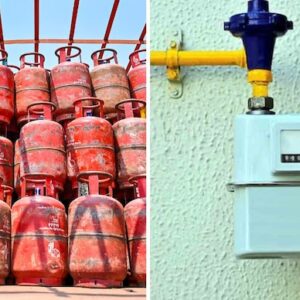
- LPG Supply Worries: India consumes over 33 million metric tons of LPG annually, with imports meeting about 60% of demand. Disruptions have caused queues at some distribution points, panic bookings in certain areas, and temporary rationing for commercial users to prioritize households. The government has invoked provisions under the Essential Commodities Act, directed refineries to maximize domestic LPG production (reporting increases of up to 40% in some streams), and explored alternative suppliers.
- Broader Oil and Gas Shortages: Global prices have spiked, with experts describing it as one of the largest supply disruptions in history — larger in scale than some past crises. This has ripple effects on inflation, supply chains for fertilizers (impacting agriculture), aviation, and industries.
- International Responses: Several countries have implemented fuel-saving measures, released strategic reserves, or adjusted work patterns. India, however, has focused on proactive monitoring, duty adjustments, and ensuring no panic-driven shortages for citizens.
Despite these challenges, officials maintain there are no domestic shortages of fuel or essentials that would warrant extreme measures like a lockdown. Strategic petroleum reserves and diversified sourcing provide buffers, though the situation requires vigilant management.
Historical Context: Lessons from 2020 COVID Lockdown and India’s Resilience
The timing of the rumours — coinciding with the anniversary of India’s strict 2020 COVID-19 lockdown — naturally evoked memories of that period. In 2020, the nationwide lockdown was imposed to contain the pandemic, leading to significant economic disruption but also showcasing India’s ability to mobilize resources, support migrants, and eventually rebound strongly under PM Modi’s leadership.
Today’s context is fundamentally different: No public health emergency like COVID exists. The current challenges are geopolitical and supply-chain related, centered on energy security rather than virus containment. The government’s repeated emphasis on “preparedness” refers to economic and administrative readiness — stocking essentials, supporting vulnerable sections, and maintaining supply continuity — not imposing restrictions on movement or closing businesses.
PM Modi’s references to the COVID era were inspirational, highlighting national unity and successful crisis management, rather than signaling a repeat of lockdowns.
Government’s Preparedness Strategy: What Is Being Done?
According to multiple official statements:
- Real-Time Monitoring: Inter-ministerial teams track energy, commodities, and supply chains continuously.
- Coordination with States: Meetings with chief secretaries and OMCs to ensure seamless distribution.
- Domestic Production Boost: Refineries prioritizing LPG and essential fuels.
- Import Diversification: Engaging alternative sources beyond the Gulf.
- Consumer Protection: Excise duty cuts to shield against price hikes; appeals against panic buying.
- Focus on Vulnerable Groups: Ensuring uninterrupted supply for households, farmers (via fertilizers), and essential services.
- Long-Term Resilience: Building on India’s track record of navigating global uncertainties, including previous oil shocks.
Minister Puri and other officials have repeatedly assured that India is “fully prepared to handle emerging challenges” through proactive, coordinated action.
Impact on Common Citizens: Petrol, Diesel, LPG, and Daily Life
For the average Indian:
- Fuel Prices: The excise cut should help stabilize or moderate retail prices of petrol and diesel in the coming days, despite global pressures. Check your city-wise rates on official fuel apps or websites for updates.
- LPG Cylinders: Households are prioritized. Avoid panic bookings; use alternatives like piped natural gas (PNG) where available. Commercial users may face some constraints.
- Inflation Concerns: Government measures aim to keep a lid on transport and cooking costs, which influence overall inflation.
- Economic Activity: No restrictions on movement, markets, offices, or travel are planned or under discussion.
Experts advise focusing on verified government sources rather than unverified social media forwards to prevent unnecessary panic.
Why Spreading Rumours Is Harmful in Such Times
In an era of instant information (and misinformation), baseless rumours can lead to hoarding, artificial shortages, price gouging, and undue stress. The government has called such actions “irresponsible and harmful,” especially when the nation needs collective calm and unity to navigate external challenges.
India’s economy has shown remarkable resilience post-COVID, with strong growth, digital infrastructure, and policy agility. The current episode underscores the importance of fact-checking and trusting official communications.
Looking Ahead: India’s Approach to Global Uncertainties
As the West Asia situation evolves, India continues to engage diplomatically for the safety of its diaspora and resolution of supply issues. The focus remains on self-reliance (Atmanirbhar Bharat) in energy, strategic reserves, renewable transitions where feasible, and diversified global partnerships.
The government’s message is clear: No lockdown in India. Citizens should continue normal activities while being mindful of resource conservation where possible.
This clarification by Hardeep Singh Puri, combined with fiscal relief on fuels, aims to restore confidence and prevent any disruption to daily life or economic momentum.
Stay Informed: For the latest verified updates on fuel prices, LPG availability, and government advisories, refer to official portals like the Ministry of Petroleum and Natural Gas website, PIB releases, or MyGov.in. Avoid forwarding unverified claims.
This article is based on official statements and reports as of March 27, 2026. The situation is dynamic; monitor reliable sources for developments