Every Vote Matters: PM Narendra Modi Urges Record Voter Turnout in Kerala, Assam & Puducherry Assembly Elections 2026 as Polling Begins Today
Every Vote Matters: PM Narendra Modi’s Powerful Call for Massive Voter Turnout as Polling Commences in Kerala, Assam, and Puducherry Assembly Elections 2026
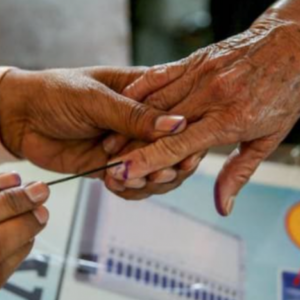
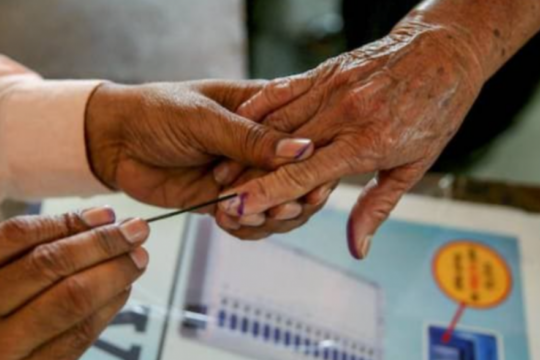
New Delhi, April 9, 2026: In a resounding message underscoring the power of democracy, Prime Minister Narendra Modi on Thursday urged voters in Kerala, Assam, and Puducherry to turn out in large numbers as polling got underway for the crucial Assembly Elections 2026. Emphasizing that every vote matters in shaping the future of these regions, PM Modi made special appeals to the youth and women voters to actively participate and strengthen the democratic fabric of the nation.
Polling began at 7 AM today across the three regions and will continue till 6 PM. With results scheduled for May 4, 2026, this single-phase election is being watched closely as a significant test for major political alliances.
PM Modi’s Appeal: “Every Vote Matters in Shaping the Future”
In a series of posts on X (formerly Twitter), PM Modi highlighted the importance of enthusiastic participation. Addressing voters in Kerala (referred to as Keralam in his message), he said:
“Record participation will add vigour to Keralam’s democratic spirit. I particularly request the youth and women of the state to step forward and vote in large numbers.”
For Puducherry, the Prime Minister appealed:
“As the Puducherry Assembly elections commence, I urge every voter to come out and participate in record numbers. I especially appeal to our youth and to women voters to strengthen the process of democracy. Every vote matters in shaping the future of Puducherry.”
In his message for Assam, PM Modi expressed hope that the elections would become a grand celebration of democracy:
“As polling begins for the Assam Assembly elections 2026, I appeal to the people of Assam to exercise their franchise in large numbers. I hope that the state’s youth and women voters participate enthusiastically and make this election a celebration of democracy and public duty.”
These appeals come at a time when the Election Commission of India (ECI) has made elaborate arrangements to ensure smooth, free, and fair polling, including special facilities for senior citizens, differently-abled voters, and first-time voters.
Massive Electoral Exercise: Key Numbers and Scale
Today’s polling involves a staggering number of voters and candidates:
- Kerala: Over 2.6 crore electors will decide the fate of 883 candidates contesting 140 Assembly constituencies. The state is known for its high literacy and politically aware electorate.
- Assam: More than 2.5 crore voters (approximately 2,49,58,139 as per ECI data) are eligible to cast ballots for the 126-member Assembly, with 722 candidates in the fray. This is the first Assembly election in Assam after the 2023 delimitation exercise.
- Puducherry: The Union Territory has over 10.14 lakh eligible voters (ECI figures indicate around 9.44 lakh registered) who will elect representatives to its 30-member Assembly. Around 294 candidates are contesting here.
Collectively, more than 5.2 crore voters are participating in this democratic festival across 299 seats. The high stakes have prompted the ECI to deploy extensive security and logistical measures, including webcasting at polling stations, drone surveillance in sensitive areas, and special women-managed booths.
Political Landscape and Major Contests
In Kerala: The contest is primarily a triangular fight between the ruling Left Democratic Front (LDF) led by CPI(M), the Congress-led United Democratic Front (UDF), and the BJP-led National Democratic Alliance (NDA). The LDF is seeking a third consecutive term under Chief Minister Pinarayi Vijayan, while the UDF aims to regain power. The NDA is looking to expand its footprint in the southern state, where it has been gaining ground gradually. Issues like development, welfare schemes, caste and community mobilization, and governance are expected to dominate voter decisions.
In Assam: The BJP-led alliance, which has been in power since 2016 under Chief Minister Himanta Biswa Sarma, faces a strong challenge from the Congress and other regional parties. The delimitation has redrawn constituencies, adding a new dimension to the electoral arithmetic. Key alliances include the BJP with AGP and other partners. Topics such as infrastructure development, flood management, border issues, and socio-economic progress are central to the campaign.
In Puducherry: The 30-seat Assembly sees a multi-cornered contest involving the ruling NDA (AINRC-BJP alliance), Congress, DMK, and others. With a smaller Assembly, even a few seats can swing the balance. The threshold for majority is 16 seats. Women voters, who outnumber men here, could play a decisive role.
Why Every Vote Matters: The Power of Democratic Participation
Every vote matters — this is not just a slogan but the cornerstone of India’s vibrant democracy. In close contests, even a handful of votes can determine winners, governments, and policy directions for the next five years.
High voter turnout, especially from youth and women, ensures that diverse voices are heard. Youth bring fresh perspectives on education, employment, technology, and future-ready policies. Women voters often prioritize issues like safety, healthcare, women’s empowerment, education, and family welfare.
PM Modi’s repeated emphasis on youth and women participation reflects a broader national push to make elections more inclusive. In previous elections, increased turnout among these groups has led to decisive mandates and greater accountability from elected representatives.
Record participation also adds legitimacy to the elected government and strengthens India’s image as the world’s largest democracy. When millions exercise their franchise enthusiastically, it sends a powerful message that citizens are actively engaged in nation-building.
Arrangements for Smooth Polling and Voter Facilitation
The Election Commission has left no stone unturned to make voting accessible:
- Special booths for women, youth, and PwD voters.
- Facilities like ramps, wheelchairs, Braille ballots, and volunteers for senior citizens and differently-abled.
- Paid holiday for voters as per ECI guidelines to enable participation without work constraints.
- Strict enforcement of the Model Code of Conduct, with seizures of cash and liquor reported in some areas to prevent inducement.
- Real-time monitoring through webcasting and micro-observers.
Voters are advised to check their polling booth details via the Voter Helpline App or ECI website, carry their EPIC (voter ID) or other approved documents, and follow COVID-appropriate behavior if applicable.
Historical Context and Expectations for Turnout
Kerala and Puducherry traditionally witness high voter turnout (often above 80% in Puducherry’s past elections). Assam has seen varying turnout, but appeals from national leaders like PM Modi are expected to boost numbers significantly.
Opinion polls and ground reports suggest a keenly contested battle in all three regions. In Kerala, the fight between LDF and UDF remains intense, with NDA emerging as a third force. Assam’s post-delimitation dynamics add unpredictability, while Puducherry’s compact size makes every seat critical.
Analysts believe that if every vote matters is internalized by the electorate — particularly the youth and women — turnout could touch record highs, leading to more representative outcomes.
Broader Implications for Indian Democracy
Today’s polling in Kerala, Assam, and Puducherry is part of a larger 2026 electoral cycle that also includes Tamil Nadu and West Bengal. These elections will influence national political narratives, coalition strategies, and policy priorities at the state and central levels.
PM Modi’s multilingual appeals (in English, Malayalam, Assamese, and Tamil) demonstrate the government’s commitment to reaching voters in their own languages, reinforcing the idea that democracy thrives when every citizen feels included.
As queues form outside polling booths today, the message is clear: Your vote is your voice. Every vote matters in deciding not just local representatives but the direction of development, governance, and welfare in these states and Union Territory.
How to Participate and Make Your Vote Count
- Locate your polling booth using the Voter Helpline or ECI apps.
- Carry valid photo ID (Voter Card, Aadhaar, Passport, etc.).
- Vote between 7 AM and 6 PM.
- Encourage family, friends, especially young voters and women in your circle, to participate.
- Report any issues to the polling officer or helpline.
Democracy is not a spectator sport. It requires active citizenship. As PM Modi rightly pointed out, record participation will add vigour to the democratic spirit.
Stay tuned to our website for live updates on voter turnout, key constituency trends, party reactions, and more as the day progresses. We will bring you detailed coverage, including booth-level insights and expert analysis on what the numbers mean for the final outcome on May 4.
Every vote matters — let’s make April 9, 2026, a historic day of democratic celebration in Kerala, Assam, and Puducherry.