Canadian Prime Minister Mark Carney’s Historic First Visit to India: A Major Reset in Bilateral Ties and Trade Opportunities
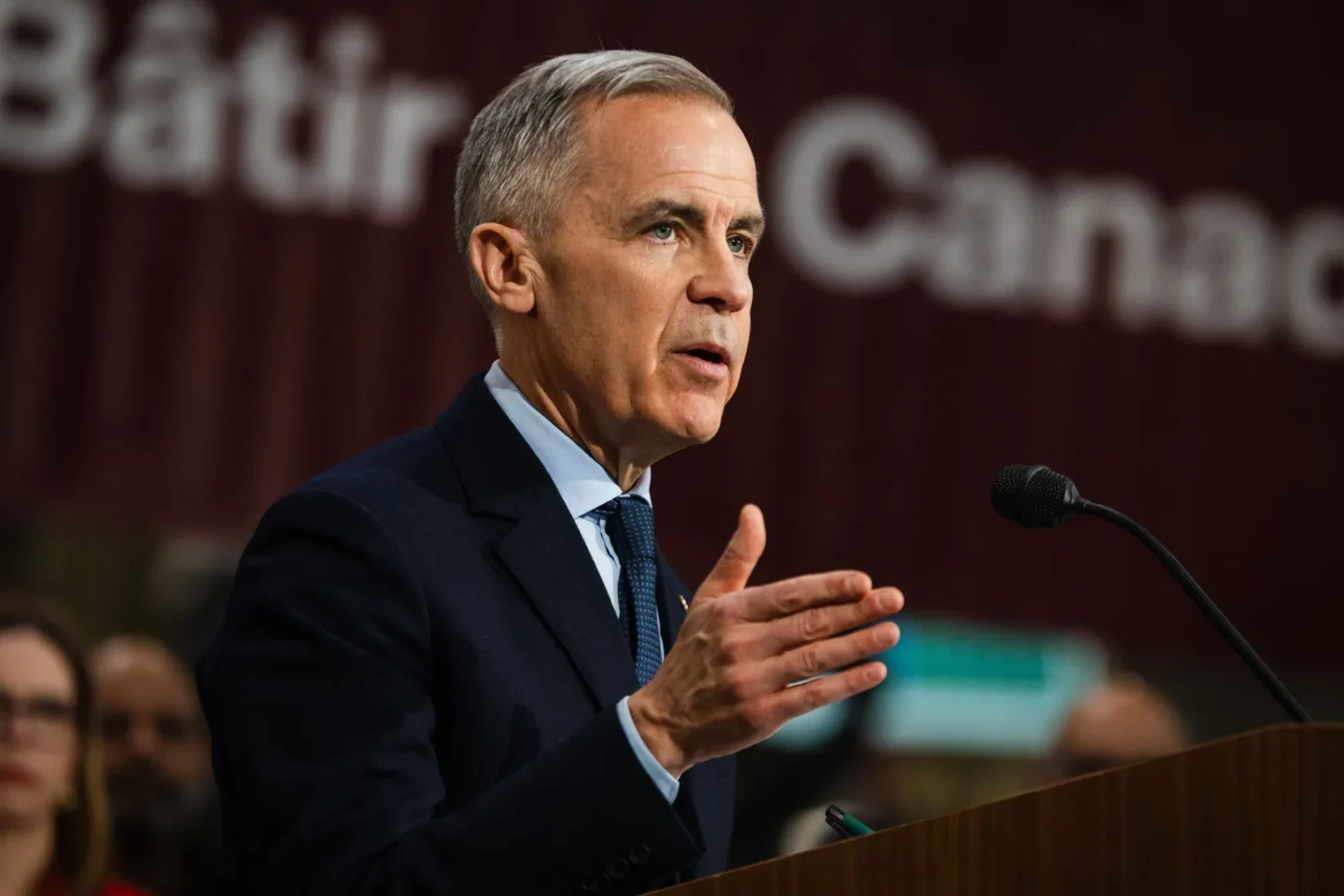
New Delhi, February 26, 2026 – In a development poised to redefine the geopolitical and economic landscape of the Indo-Pacific region, Canadian Prime Minister Mark Carney is set to embark on his inaugural official visit to India starting Friday, February 27, 2026. This four-day tour, running until March 2, comes at a pivotal moment, signaling a decisive reset in India-Canada bilateral relations following years of strained ties under the previous administration of Justin Trudeau.
The visit, extended at the invitation of Indian Prime Minister Narendra Modi, underscores a shared commitment to move beyond past controversies and focus on mutual economic gains, strategic partnerships, and people-to-people connections. With Canada actively seeking to diversify its trade portfolio amid global uncertainties—including trade pressures from the United States—India emerges as a key partner for Ottawa in sectors like energy, technology, critical minerals, and defense.
Background: From Diplomatic Strain to Renewed Engagement
India-Canada relations experienced a sharp downturn in September 2023 when allegations surfaced regarding India’s alleged involvement in the killing of Khalistani separatist leader Hardeep Singh Nijjar on Canadian soil. This led to a cascade of diplomatic actions: expulsion of diplomats, suspension of free trade agreement (FTA) negotiations, and a freeze in high-level engagements. The episode severely impacted bilateral trust, with trade talks halted and economic cooperation sidelined.
The turning point arrived with Justin Trudeau’s resignation in January 2025 amid domestic political pressures and declining Liberal Party fortunes. Mark Carney, the former Governor of the Bank of Canada and Bank of England, emerged victorious in the Liberal leadership race in March 2025. Sworn in as Canada’s 24th Prime Minister on March 14, 2025, Carney quickly steered foreign policy toward pragmatism. High Commissioners were reinstated in 2025, and quiet diplomatic channels reopened.
Carney’s government has emphasized “strategic autonomy” for middle powers like Canada, as articulated in his January 2026 Davos address. This approach prioritizes economic diversification away from over-reliance on the U.S., making India—a fast-growing economy and global manufacturing hub—an attractive ally.
Itinerary and Key Engagements: A Business-First Approach
Prime Minister Carney’s visit begins in Mumbai, India’s financial capital, on February 27. Over the following two days (February 27-28), he will engage in a packed schedule of business and institutional events. Highlights include:
- Interactions with CEOs, industry leaders, financial experts, innovators, and educators from both nations.
- Meetings with representatives of Canadian pension funds operating in India, which have significant investments in infrastructure and markets.
- Discussions aimed at boosting trade, investment, and technology collaboration.
These engagements are designed to lay the groundwork for deeper economic ties. Canadian officials describe the Mumbai leg as “all business,” focusing on unlocking opportunities in AI, quantum computing, research, education, and sustainable development.
On March 1, Prime Minister Carney will arrive in New Delhi. The centerpiece of the visit occurs on March 2 at Hyderabad House, where delegation-level talks with Prime Minister Narendra Modi will take place. The leaders will review progress in the India-Canada Strategic Partnership, building on prior meetings in Kananaskis (June 2025) and Johannesburg (November 2025).
The afternoon will feature participation in the India-Canada CEO Forum, a platform for high-level business dialogue. Both sides have committed to a “constructive and balanced partnership” grounded in mutual respect, strong people-to-people ties, and growing economic complementarities. The press releases from India’s Ministry of External Affairs (MEA) and Canada’s Prime Minister’s Office emphasize addressing concerns and sensitivities while advancing shared interests.
Potential Outcomes: ‘Immense’ Range of Deals and FTA Revival
Analysts and diplomats anticipate a flurry of agreements during the visit. India’s High Commissioner to Canada, Dinesh Patnaik, described the agenda as “immense,” potentially including cooperation pacts in:
- Nuclear Power and Energy: Canada, a major uranium supplier, could resume exports to fuel India’s civilian nuclear program. Discussions may cover oil, natural gas, and clean energy transitions.
- Critical Minerals: Collaboration on supply chains for lithium, cobalt, nickel, and rare earths—essential for EVs, batteries, and green tech.
- Technology and Innovation: Agreements on AI, quantum computing, research, and digital infrastructure.
- Trade and Investment: Revival of Comprehensive Economic Partnership Agreement (CEPA) negotiations, stalled since 2023. The Global Trade Research Initiative (GTRI) predicts formal resumption of FTA talks as a major outcome.
Bilateral trade, which stood at around CAD 15-20 billion in recent years, has immense potential. India’s growing demand for resources aligns with Canada’s export strengths, while India’s IT, pharmaceuticals, and manufacturing sectors offer opportunities for Canadian firms.
The visit also aims to boost defense and security cooperation, including joint exercises and technology transfers, amid shared Indo-Pacific interests.
Broader Context: Carney’s Global Tour and Canada’s Diversification Strategy
This India visit forms part of a larger international outreach. Prime Minister Carney will proceed to Australia and Japan from March 3-7, meeting their leaders to strengthen ties in trade, energy, technology, and defense. Announced on February 23, 2026, the tour reflects Canada’s push to reduce U.S. dependency amid ongoing trade frictions.
Carney’s background as a global economist positions him uniquely to navigate these complexities. His leadership has already seen initiatives like Canada’s first Defence Industrial Strategy and auto sector transformation plans, signaling a forward-looking economic agenda.
Implications for India-Canada Relations
This visit could mark a historic turning point. By prioritizing economics over past political disputes, both nations signal maturity in diplomacy. For India, it strengthens partnerships with middle powers amid U.S.-China tensions. For Canada, it diversifies markets and secures supply chains.
As Prime Minister Carney noted in recent statements, the focus is on “what we can control” in a divided world—building resilient, value-aligned partnerships.
Stay tuned for live updates on this landmark visit, potential MoUs, and post-visit analyses. This development promises to reshape Indo-Canadian ties for years to come.