Commercial LPG Cylinder Price Hiked by Rs 195.50 in Delhi: Full Impact on Hotels, Industries & Why Domestic LPG Rates Unchanged April 2026
Commercial LPG Cylinder Price Hiked Sharply Amid Global Energy Crisis: Relief for Households as Domestic LPG Unchanged
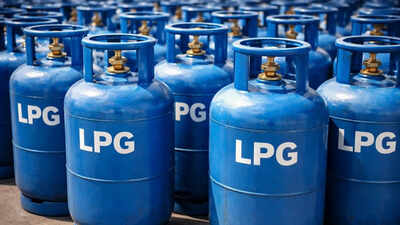
New Delhi/Kolkata, April 1, 2026: In a significant development for India’s energy sector, commercial LPG cylinder prices have been increased by Rs 195.50 per 19-kg cylinder in Delhi, pushing the retail price to Rs 2,078.50 effective Wednesday. The hike is even steeper in Kolkata at Rs 218, reflecting regional variations in transportation and distribution costs. This latest revision in LPG rates comes against the backdrop of escalating global oil prices triggered by the ongoing West Asia conflict and disruptions in the Strait of Hormuz, a critical chokepoint for energy supplies.
Households across the country, however, received partial relief as domestic cooking gas LPG rates remained unchanged. A standard 14.2-kg domestic LPG cylinder continues to cost Rs 913 in Delhi, the same as after the last hike of Rs 60 on March 7, 2026. This distinction highlights the government’s approach to shielding common consumers while allowing market forces to determine prices for commercial usage.
State-owned oil marketing companies (OMCs) like Indian Oil Corporation (IOC), Bharat Petroleum Corporation Limited (BPCL), and Hindustan Petroleum Corporation Limited (HPCL) announced the revision in commercial LPG prices. According to official sources, the previous increase in commercial LPG was Rs 114.5 per 19-kg cylinder on March 1, making this the second notable upward adjustment in a short span amid volatile international markets.
Why Commercial LPG Prices Rose: Link to Saudi Contract Price and Global Supply Disruptions
The Ministry of Petroleum and Natural Gas clarified that prices of commercial LPG cylinders — primarily used by hotels, restaurants, industries, and other commercial establishments — are fully deregulated and market-determined. Unlike subsidized or domestic LPG, these are revised monthly based on global benchmarks.
The sharp hike is directly attributed to a massive 44% surge in the Saudi Contract Price (SCP) for LPG components. It jumped from $542 per metric tonne in March to $780 per metric tonne in April. This dramatic rise stems from supply chain bottlenecks caused by the West Asia tensions, particularly hostilities involving the US, Israel, and Iran, which have led to a partial blockade of the Strait of Hormuz.
Experts note that 20-30% of global LPG supplies are currently stuck due to these disruptions. The Strait of Hormuz, often called the “world’s most important oil chokepoint,” handles a substantial portion of seaborne crude oil, liquefied natural gas (LNG), and related products from the Gulf region. Any instability here sends shockwaves through international energy markets, directly impacting import-dependent nations like India.
India imports a significant share of its LPG requirements, and fluctuations in global prices inevitably affect commercial segments. The Ministry emphasized that commercial LPG consumption accounts for less than 10% of the total LPG consumed in the country, allowing the government to prioritize stability for household cooking gas.
City-Wise Commercial LPG and Domestic LPG Rates After April 1, 2026 Hike
Here is a snapshot of the latest LPG prices in major cities (19-kg commercial cylinder):
- Delhi: Rs 2,078.50 (hike of Rs 195.50)
- Kolkata: Approximately Rs 2,208–2,218 (hike of Rs 218 or more)
- Mumbai: Around Rs 2,031 (hike of ~Rs 195–196)
- Chennai: Notable increase, with hikes exceeding Rs 200 in some reports
For domestic LPG (14.2-kg non-subsidized cylinder):
- Delhi: Rs 913 (unchanged)
- Kolkata: Rs 939 (unchanged)
- Mumbai: Rs 912.50 (unchanged)
These rates can vary slightly based on local taxes, delivery charges, and distributor margins. Consumers and businesses are advised to check with authorized LPG distributors or official OMC websites (indianoil.co.in, bharatpetroleum.in, hindustanpetroleum.com) for the most accurate city-specific pricing.
Impact on Hotels, Restaurants, and Industries: Rising Costs for Commercial LPG Users
The hike in commercial LPG prices is expected to put pressure on the hospitality sector, small eateries, bakeries, and industrial units that rely heavily on LPG for cooking, heating, and processing. Hotels and restaurants, already grappling with post-pandemic recovery and inflation in other inputs like vegetables and labor, may pass on a portion of the increased cost to consumers through higher menu prices.
Industry bodies have expressed concern over the cumulative effect of recent revisions. Since early March 2026, commercial LPG has seen multiple upward adjustments totaling over Rs 300 in some cities. For a medium-sized hotel using several cylinders daily, this could translate into thousands of rupees in additional monthly expenditure.
However, the unchanged domestic LPG rates provide a buffer for millions of Indian households. The Pradhan Mantri Ujjwala Yojana beneficiaries continue to receive subsidized connections, though non-subsidized users also benefit from the government’s decision not to revise household rates this time.
Broader Context: West Asia Conflict, Global Oil Volatility, and India’s Energy Security
The current LPG price movement cannot be viewed in isolation. The West Asia conflict has disrupted not just LPG but broader energy supplies. Joint actions and retaliatory measures have heightened geopolitical risks, leading to higher insurance premiums for tankers and rerouting of shipments, which further inflate costs.
India, which sources a large percentage of its crude oil and gas from the Middle East, has been diversifying its import basket. Efforts include increasing imports from Russia, the US, and African nations, alongside boosting domestic exploration and renewable energy adoption. The government has also encouraged ethanol blending in petrol and promotion of electric vehicles to reduce dependence on imported fossil fuels.
In response to potential shortages, authorities have reportedly cleared additional commercial LPG supplies and monitored distribution to prevent black marketing. Domestic LPG production has seen incremental gains, but imports remain crucial for meeting demand, which exceeds 30 million tonnes annually.
Long-term, experts suggest accelerating the shift towards piped natural gas (PNG) in urban areas, biogas plants in rural regions, and solar-powered alternatives for commercial kitchens to mitigate such price shocks in LPG.
Historical Trend of LPG Price Revisions in India
LPG pricing in India has evolved significantly over the years. The deregulation of commercial LPG allows monthly adjustments aligned with international parity, while domestic rates are often modulated considering inflation and subsidy burdens.
Recent months have witnessed volatility:
- March 1, 2026: Commercial LPG up by Rs 114.5
- March 7, 2026: Domestic LPG up by Rs 60
- April 1, 2026: Commercial LPG up by Rs 195.50 (Delhi)
Such fluctuations underscore the need for consumers to adopt energy-efficient practices, such as using pressure cookers, maintaining stoves properly, and exploring alternatives where feasible.
For businesses, forward planning, hedging where possible, and negotiating bulk supplies with distributors can help manage costs.
What Consumers and Businesses Should Do Next
- Households: No immediate change in domestic LPG refill costs. Continue using subsidies wisely if eligible under Ujjwala or other schemes. Book refills via MyLPG app or IVRS to avoid delays.
- Commercial Users: Factor in the higher commercial LPG rates in budgeting. Explore efficiency measures like insulated kitchens or switching to PNG in cities where available.
- Monitor Updates: Prices are reviewed monthly. Any de-escalation in global tensions or easing of supply disruptions could lead to corrections in future revisions.
- Complaints/Queries: Contact your distributor or use the dedicated helplines provided by OMCs for issues related to LPG supply or pricing.
Government Stance and Future Outlook on LPG Pricing
The Ministry of Petroleum has reiterated that while commercial LPG is market-linked, efforts are ongoing to ensure adequate availability and minimize the pass-through impact on end-users. Initiatives like increasing domestic refining capacity, strategic petroleum reserves, and international diplomacy aim to enhance energy security.
As the situation in West Asia evolves, global energy markets will remain sensitive. Analysts predict that any resolution or sustained de-escalation could stabilize prices, benefiting both LPG and other petroleum products.
In the interim, the April 1 hike serves as a reminder of India’s interconnectedness with global commodity cycles, even as domestic policies strive to protect vulnerable sections.
This development in LPG prices affects a wide cross-section — from street-side tea stalls to large industrial units — while leaving household kitchens largely insulated for now. Stay tuned for further updates as oil companies assess the next month’s benchmarks.