Hanuman Jayanti 2026: Date, Timings, Significance, Rituals, Celebrations & Timeless Lessons from Lord Hanuman
Hanuman Jayanti 2026: A Grand Celebration of Strength, Devotion, and Divine Grace
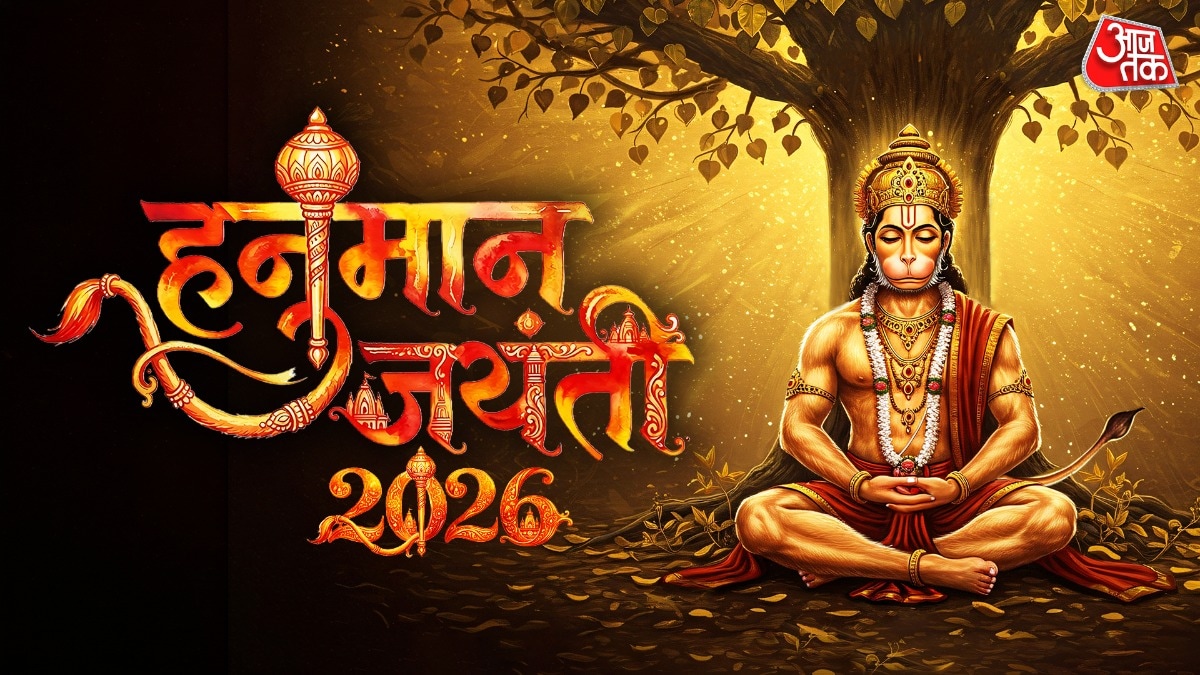
As the auspicious occasion of Hanuman Jayanti 2026 approaches on Thursday, April 2, millions of devotees across India and the world prepare to honor Lord Hanuman, the epitome of unwavering bhakti (devotion), immense bala (strength), courage, wisdom, and selfless service. Also known as Hanuman Janmotsav, this vibrant Hindu festival commemorates the birth of the mighty Vanara god, a central figure in the epic Ramayana and the ultimate symbol of loyalty to Lord Rama.
In 2026, Hanuman Jayanti holds special significance as devotees seek blessings for overcoming obstacles, protection from evil forces, physical and mental vitality, and success in all endeavors. Whether you are planning temple visits, fasting, or chanting the sacred Hanuman Chalisa, this comprehensive guide covers everything you need to know about Hanuman Jayanti 2026 – from exact date and timings to detailed rituals, regional celebrations, famous temples, and the profound life lessons that make Lord Hanuman eternally relevant.
The Mythological Story Behind Hanuman’s Birth
According to Hindu mythology, Lord Hanuman was born to Anjana, an apsara who was cursed to live as a human, and Kesari, a brave Vanara king. He is also revered as the spiritual son of Vayu, the wind god, who granted him extraordinary powers from birth.
A popular legend narrates how the infant Hanuman, mistaking the rising sun for a ripe fruit, leaped into the sky to swallow it. This act provoked Indra, the king of the gods, who struck the child with his vajra (thunderbolt). The impact caused Hanuman’s jaw to swell, giving him the name “Hanuman” – meaning “one with a prominent or disfigured jaw.”
Enraged by the injury to his son, Vayu withdrew all wind from the world, causing widespread distress. The gods then appeased Vayu and bestowed numerous boons upon the child: immortality, immense physical strength, the ability to change form at will, and protection from weapons and diseases. These divine gifts made Hanuman nearly invincible.
Hanuman is also believed to be an incarnation of the 11th Rudra form of Lord Shiva. His birth occurred at sunrise on the full moon day (Purnima) of the Chaitra month, rendering Chaitra Purnima highly auspicious for his worship. This divine origin story underscores Hanuman’s unique position as a bridge between human limitations and godly powers, inspiring devotees to cultivate inner strength through devotion.
The tale from the Ramayana further elevates Hanuman’s glory. As a devoted companion of Lord Rama, he performed miraculous feats: leaping across the ocean to Lanka, setting the city ablaze with his burning tail, locating Sita, and carrying the entire Sanjeevani mountain to heal Lakshmana. These acts highlight not just raw power but intelligence, humility, and complete surrender to a higher cause.
Deep Spiritual Significance of Hanuman Jayanti
Hanuman Jayanti is far more than a birthday celebration; it is a profound spiritual reminder of the triumph of devotion over ego, strength tempered with humility, and selfless service. Lord Hanuman embodies bhakti yoga at its purest – total loyalty without expectation of reward.
Devotees observe Hanuman Jayanti 2026 to invoke blessings for:
- Courage to face life’s challenges
- Protection from negative energies and enemies
- Physical stamina and mental clarity
- Removal of obstacles (sankat mochan)
- Discipline, humility, and ethical living
In a world filled with stress, anxiety, and uncertainty, Hanuman’s example teaches that true power comes from aligning one’s actions with dharma and devotion. Worship on this day is believed to dissolve fears, grant vitality, and foster inner peace. Many also view Hanuman as a protector who safeguards devotees from planetary afflictions, particularly those related to Saturn or Mars.
The festival reinforces the message that devotion combined with disciplined action can achieve the impossible – just as Hanuman bridged the ocean and served Rama without seeking personal glory.
Hanuman Jayanti 2026: Exact Date, Timings & Muhurat
In most parts of India, especially North India, Hanuman Jayanti 2026 is observed on Chaitra Purnima, the full moon day of the Chaitra month.
- Date: Thursday, April 2, 2026
- Purnima Tithi Begins: 07:06 AM on April 1, 2026
- Purnima Tithi Ends: 07:41 AM on April 2, 2026
The most auspicious time for puja and rituals is during the daytime on April 2, ideally in the early morning hours (Brahma Muhurta). Shubh muhurat for Hanuman puja is recommended from approximately 06:10 AM to 07:44 AM on April 2 (timings may vary slightly by location; always consult your local panchang or temple for precise details).
Note on Regional Variations:
- In North India and many other regions, the festival aligns with April 2 sunrise.
- In some southern states like Karnataka, observances may follow different calendars (e.g., during Margashirsha).
- Tamil Nadu and parts of South India sometimes mark Hanumath Jayanti in December or January.
- In Andhra Pradesh and Telangana, celebrations can span multiple days.
Despite variations, the essence of seeking Lord Hanuman’s grace remains universal across Hindu communities worldwide.
How to Celebrate Hanuman Jayanti 2026: Complete Rituals & Puja Vidhi
Celebrations of Hanuman Jayanti blend personal devotion with community fervor. Here is a step-by-step guide to observing the festival meaningfully:
- Early Morning Worship (Brahma Muhurta): Wake up before sunrise, take a bath, and perform puja. Light a ghee lamp (diya), offer incense, and recite prayers facing east or towards a Hanuman idol/picture.
- Offerings (Naivedya): Lord Hanuman is fond of sindoor (vermilion), which symbolizes his deep devotion to Rama. Offer sindoor, red/orange flowers, bananas, laddus (especially besan laddus), coconuts, jaggery, and oil. Apply sindoor to the idol or photo while chanting mantras.
- Fasting (Vrat): Many devotees keep a strict fast throughout the day, consuming only fruits or sattvik food after sunset. Breaking the fast with simple vegetarian meals is common.
- Abhishekam & Aarti: In temples and homes, perform ritual bathing of the Hanuman idol with milk, water, honey, or panchamrit. Follow with grand aarti and bhajans.
- Feeding Monkeys: As Hanuman belongs to the Vanara clan, feeding bananas or fruits to monkeys is considered auspicious and a form of seva.
- Charity & Seva: Donate food, clothes, or money to the needy. Organize or participate in community bhandaras (free feasts) – acts that please Lord Hanuman greatly.
- Processions (Shobha Yatra): In many cities, grand processions with large Hanuman idols, music, and devotional singing fill the streets, especially in Maharashtra and North Indian states.
Special Mantra for Hanuman Jayanti:
- “Om Han Hanumate Namah”
- “Jai Bajrangbali” or “Shri Ram Jai Ram Jai Jai Ram”
Chanting these with full faith amplifies the spiritual energy of the day.
The Power of Hanuman Chalisa on Hanuman Jayanti
No celebration of Hanuman Jayanti is complete without the recitation of the Hanuman Chalisa – the 40-verse devotional hymn composed by Goswami Tulsidas in the 16th century.
On this auspicious day, devotees chant the Chalisa 108 times or more. The Sundara Kanda from the Ramayana or Ramcharitmanas is also read aloud.
Benefits of Reciting Hanuman Chalisa:
- Removes fears, nightmares, and negative energies
- Grants physical strength, mental peace, and courage
- Protects from enemies and planetary doshas
- Brings success in endeavors and relief from obstacles
- Enhances concentration, discipline, and humility
- Invokes divine protection and inner resilience
Many believe that regular or special recitation on Hanuman Jayanti 2026 multiplies these blessings manifold. Even listening to or reading the Chalisa creates a protective aura and fosters deep devotion.
Famous Hanuman Temples to Visit on Hanuman Jayanti 2026
Hanuman Jayanti sees massive crowds at renowned temples across India. Some must-visit shrines include:
- Hanuman Garhi, Ayodhya (Uttar Pradesh): An ancient temple linked to Tulsidas, it attracts lakhs of devotees. The hilltop location offers panoramic views and intense spiritual energy.
- Sankat Mochan Hanuman Temple, Varanasi (Uttar Pradesh): Built by Madan Mohan Malaviya, this temple is famous for relieving troubles (sankat). Annual music festivals add cultural charm.
- Jakhu Temple, Shimla (Himachal Pradesh): Perched at 8,100 ft with a towering Hanuman statue, it offers breathtaking Himalayan vistas. A ropeway makes access easier.
- Mahavir Mandir, Patna (Bihar): One of the busiest Hanuman temples, known for wish fulfillment and grand celebrations.
- Salasar Balaji Temple, Rajasthan: A major pilgrimage site drawing crowds for Hanuman Jayanti rituals.
- Other notable ones: Bala Hanuman Temple in Jamnagar, temples in Tamil Nadu like Namakkal Anjaneyar, and Karmanghat Hanuman Temple in Telangana.
Visiting any of these on April 2, 2026 can be a transformative experience. Plan early as crowds surge significantly.
Regional Flavors of Hanuman Jayanti Celebrations
While the core remains devotion, celebrations vary beautifully across regions:
- Maharashtra & North India: Grand processions, public bhajans, and community events dominate.
- South India: Greater emphasis on temple abhishekam, specific vrats, and reading of regional Ramayana versions.
- Ayodhya & Varanasi: Intense spiritual gatherings with continuous kirtans and Ramayana recitations.
- Global Hindu communities organize online events, virtual Chalisa chanting, and local temple programs.
In 2026, initiatives like “Chalisas for Peace” – featuring global artists chanting the Hanuman Chalisa for world harmony – highlight the festival’s universal appeal.
Timeless Lessons from Lord Hanuman for Modern Life
Hanuman Jayanti 2026 offers more than rituals; it delivers eternal wisdom:
- Devotion without Ego: Hanuman served Rama selflessly, teaching that true greatness lies in humility.
- Strength with Intelligence: His feats combined physical power with cleverness and strategy.
- Courage in Adversity: Facing impossible odds, he never wavered.
- Service to Others: Carrying the mountain or searching for Sita exemplifies seva (selfless help).
- Discipline & Celibacy: Hanuman’s brahmacharya symbolizes focused energy and moral strength.
In today’s fast-paced, competitive world, these qualities help combat stress, build resilience, and maintain ethical living. Reflecting on Hanuman’s life encourages us to face challenges with faith and serve society without seeking recognition.
Conclusion: Invoke Lord Hanuman’s Blessings on Hanuman Jayanti 2026
Whether you chant the Hanuman Chalisa at home, visit a sacred temple, observe a fast, or simply meditate on his virtues, Hanuman Jayanti 2026 provides a powerful opportunity to recharge your spirit. Let the energy of April 2 fill your life with courage, protection, and unwavering devotion.
Jai Bajrangbali! Jai Shri Ram!
May Lord Hanuman bless every devotee with strength to overcome obstacles, health, prosperity, and inner peace. Celebrate Hanuman Jayanti with pure heart and sincere faith – the divine grace will surely follow.
This festival unites millions in joy and spirituality. Share this guide with family and friends, and make Hanuman Jayanti 2026 a memorable milestone on your spiritual journey.