CNEISS Warns of Intensified Militant Attacks in Northeast India Ahead of Assam Assembly Elections 2026: ULFA(I) Tinsukia Strike Signals Dangerous ULFA-PCJSS-ARSA-RSO Nexus
CNEISS Warns of Possible Intensified Militant Attacks in Northeast Following ULFA(I) Strike on Assam Police Camp in Tinsukia
By News Desk | Updated: March 24, 2026
The Centre for North East India Security Studies (CNEISS) has issued a stark warning of possible intensified militant attacks across Northeast India in the coming days, citing the recent ULFA (Independent) assault on an Assam Police commando camp as a clear indicator of escalating threats ahead of the crucial Assam Assembly elections scheduled for April 9, 2026.
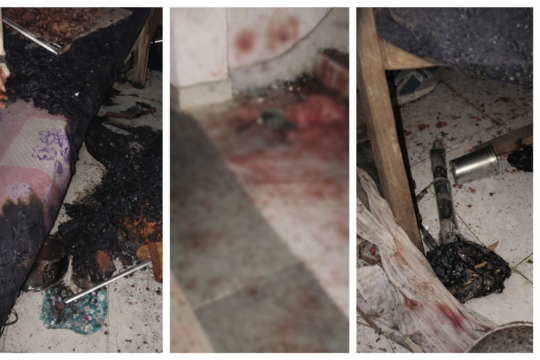
In a detailed press statement, the New Delhi-based security think tank highlighted that the early morning attack on March 22, 2026, at Jagun in Tinsukia district — which left four Assam Police commandos injured — marks a potential strategic shift by the banned outfit ULFA(I). The incident, occurring in the sensitive Upper Assam region near the Assam-Arunachal Pradesh border, has triggered heightened security concerns across the state and neighbouring areas.
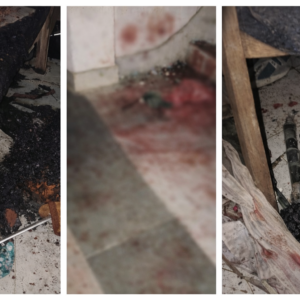
According to police reports and the outfit’s own claim, ULFA(I) carried out “Operation Bujoni” around 2 AM, firing indiscriminately and lobbing multiple rocket-propelled grenades (RPGs) at the 4th Assam Police Commando Battalion camp at Jagun 10 Mile. Three of the injured personnel sustained grievous injuries, prompting immediate counter-insurgency operations by Assam Police and central forces. Assam Chief Minister Himanta Biswa Sarma strongly condemned the attack and vowed strict action against the perpetrators.
This development comes at a critical juncture, with the Election Commission of India announcing single-phase polling for all 126 Assam Assembly constituencies on April 9, 2026, and vote counting on May 4. Security agencies have already ramped up vigil, but CNEISS cautions that without further strengthening of measures, especially in Upper Assam districts, the situation could deteriorate rapidly.
Alleged Broader Nexus: ULFA(I), PCJSS, ARSA, and RSO – A Serious Threat to Regional Security
At the heart of CNEISS‘s warning is the alleged formation of a broader militant nexus involving ULFA (Independent), the Bangladesh-based Parbatya Chattagram Jana Samhati Samiti (PCJSS), the Arakan Rohingya Salvation Army (ARSA), and the Rohingya Solidarity Organisation (RSO). The think tank describes this alliance as a potential game-changer capable of orchestrating coordinated destabilisation efforts across the India-Myanmar-Bangladesh border regions.
CNEISS points to a purported two-day marathon meeting held from December 9-11, 2025, at Cox’s Bazar in Bangladesh. Sources cited by the organisation claim the gathering was facilitated by Bangladesh’s Directorate General of Forces Intelligence (DGFI) and Pakistan’s Inter-Services Intelligence (ISI). Discussions reportedly focused on coordination, arms procurement, and strategies to disrupt peace in India’s Northeast, including during the election period.
Swapan Debbarma, associated with CNEISS, emphasised that this meeting signals a policy shift for ULFA(I), which had remained relatively subdued in large-scale attacks since 2021. The recent Jagun strike is seen as the first major manifestation of this renewed aggressive posture. The alliance allegedly leverages cross-border networks for modern weaponry, with PCJSS playing a pivotal role due to its access to supplies from Myanmar-based groups via Rohingya channels.
PCJSS Camps in Northeast India and Access to Modern Weapons
A major concern flagged by CNEISS revolves around PCJSS activities on Indian soil. The organisation alleges that PCJSS has established multiple camps in parts of the Northeast, including as many as 15 sites — 10 in Mizoram (across villages such as Tipperghat, Salmur, Malsuri, Nunsuri in Lunglei district; Borapansury, Lodisora, Nakukchhera, Devasora South in Lawngtlai district; and Rajivnagar in Mamit district) and 5 in Tripura (Kamalkha/Korollyachari, Mog Para, Sonamura, Garithanahola in Dhalai district, and Mitingachari in North Tripura district).
These camps are said to benefit from sophisticated arms transferred through routes like Paletwa in Myanmar to Thekamukh on the Mizoram-Bangladesh border. CNEISS references earlier intelligence inputs about arms movement and coordinated militant activities aimed at destabilising the region.
Notably, the Gauhati High Court had previously described PCJSS as a terrorist organisation in a judgment dated September 5, 2024, linked to a 2013 arms seizure case in Mizoram. The case involved recovery of 31 AK-47 rifles, one light machine gun, one Browning Automatic Rifle, and substantial ammunition, underscoring long-standing concerns over the group’s activities.
Historical Context and Implications for Assam Elections 2026
Northeast India has a complex history of insurgency, with groups like ULFA(I) — a faction of the original United Liberation Front of Asom that continues to pursue separatist goals — operating from remote bases. While peace accords have brought many factions into the mainstream, ULFA(I) under leaders like Paresh Baruah has persisted with sporadic strikes.
The timing of the Jagun attack, just weeks before polling, raises fears of attempts to disrupt the democratic process, create panic among voters, and force diversion of security resources. CNEISS stresses that such coordinated efforts could exploit ethnic tensions, border vulnerabilities, and socio-economic challenges in Upper Assam districts like Tinsukia, known for tea gardens and proximity to international borders.
Analysts note that external facilitation by intelligence agencies from neighbouring countries adds a geopolitical dimension, potentially linking local militancy with broader regional instability involving Rohingya issues in Bangladesh and Myanmar.
Recommendations from CNEISS: Strengthening Counter-Insurgency and Community Coordination
To counter these threats, CNEISS has urged authorities to take immediate and proactive steps:
- Enhance surveillance and intelligence gathering along the India-Myanmar-Bangladesh borders.
- Strengthen counter-insurgency operations in vulnerable Upper Assam areas and inter-state border zones.
- Increase coordination between central and state security forces, including sharing real-time intelligence.
- Foster closer ties with local communities for grassroots-level vigilance and early warning.
- Monitor and dismantle alleged cross-border camps and supply lines for modern weapons.
The think tank emphasises that a multi-pronged approach combining kinetic operations with developmental initiatives is essential to prevent militants from exploiting grievances.
Current Security Scenario and Government Response
Following the March 22 incident, security has been heightened across Assam and neighbouring states. Joint operations are underway, and additional forces have been deployed. Chief Minister Himanta Biswa Sarma has reiterated the government’s commitment to maintaining peace during the election period.
The Election Commission is closely monitoring the situation to ensure free and fair polls. Political parties across the spectrum have condemned the attack, calling for unity against forces trying to undermine democracy.
Broader Implications for Northeast India Security
This warning from CNEISS underscores persistent challenges in India’s Northeast: porous borders, historical insurgent networks, and external influences. While significant progress has been made through dialogues and development projects, incidents like the Jagun attack highlight the need for sustained vigilance.
The alleged involvement of Rohingya-linked groups (ARSA and RSO) introduces new complexities, as these outfits have been active in Bangladesh-Myanmar border areas. Any nexus could facilitate not just arms but also trained cadres and funding channels.
Experts suggest that long-term solutions must address root causes — unemployment, infrastructure gaps, and ethnic aspirations — alongside robust security measures. Community engagement, skill development, and inclusive governance remain key to insulating the region from militant propaganda.
What Lies Ahead: Ensuring Peaceful Assam Polls 2026
With less than three weeks to polling day on April 9, 2026, the focus remains on preventing further disruptions. Security agencies are on high alert, and citizens are advised to remain vigilant and report suspicious activities.
CNEISS‘s timely alert serves as a call to action for policymakers, security forces, and civil society. Dismantling alleged alliances and neutralising threats will be critical to safeguarding the democratic exercise and long-term stability in the Northeast.
As the region braces for elections, the priority is clear: robust security paired with developmental momentum to marginalise insurgent elements. Stakeholders must work collaboratively to ensure that voices of peace and progress prevail over those of violence.
This situation continues to evolve, and authorities are expected to provide regular updates. For the latest on Assam security and elections, stay tuned to our coverage.