Assam Toll Tax Hike April 2026: Fresh Burden on Common People Amid Election Heat – NHAI Increases Rates at 7 Key Toll Plazas
Assam Toll Tax Hike April 2026: New Blow to Common People During Election Season
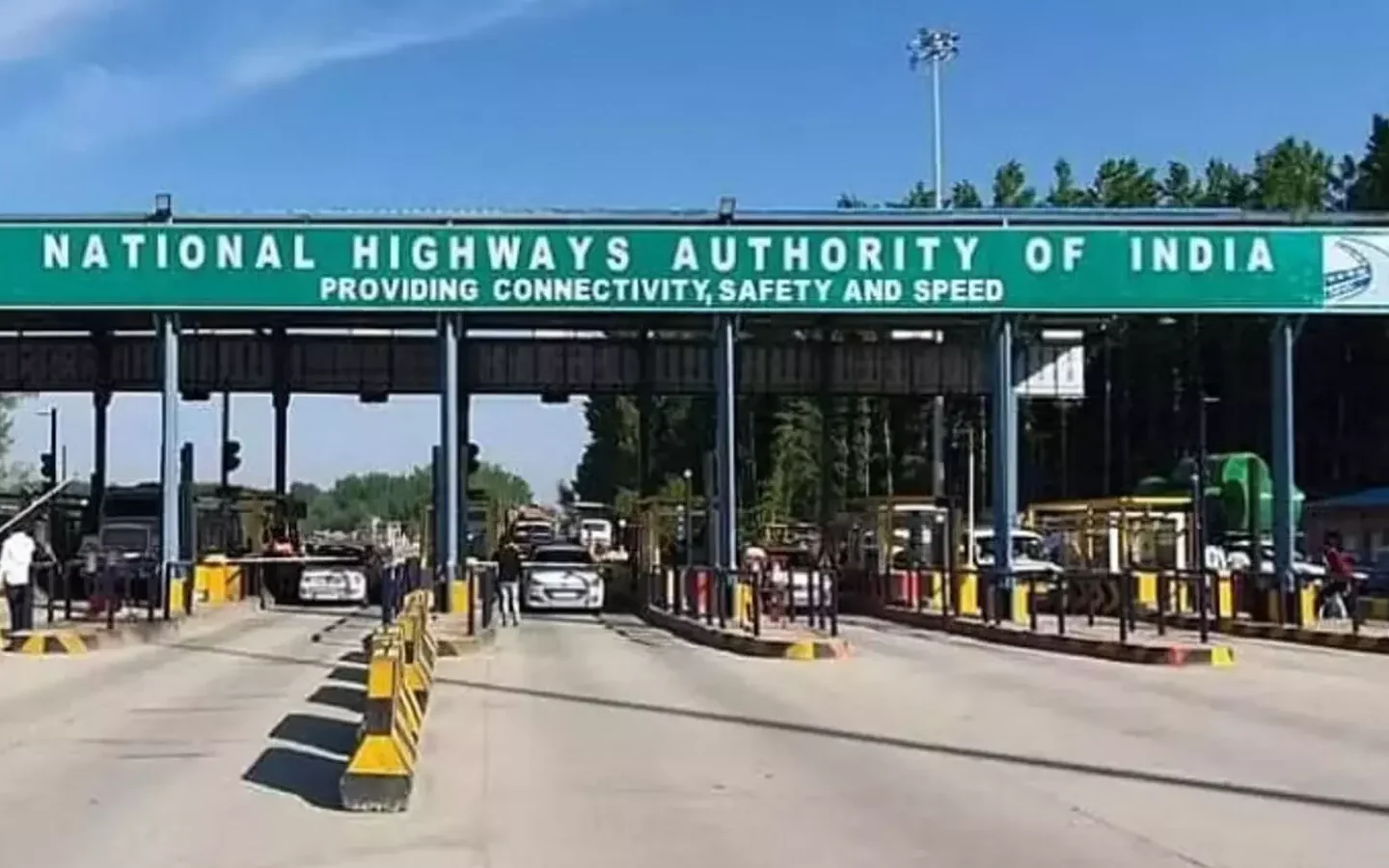
Guwahati, April 1, 2026: As the political temperature rises ahead of the Assam Legislative Assembly Election 2026, scheduled for April 9, ordinary citizens of the state have received another jolt to their daily expenses. From today, April 1, 2026, the Assam toll tax on several national highways in Assam has been revised upward by the National Highways Authority of India (NHAI).
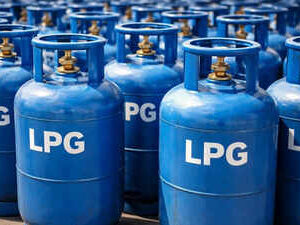
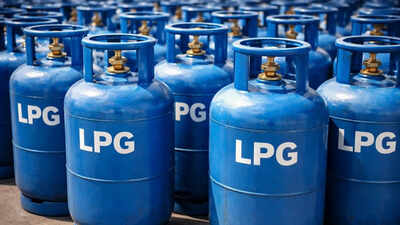
This toll tax hike comes at a time when households are already grappling with the recent increase in cooking gas cylinder prices and other essential commodities. The decision has sparked widespread concern and anger among daily commuters, middle-class families, and commercial vehicle operators across the state.
Why Has the Assam Toll Tax Been Increased?
Every year, NHAI revises toll rates on national highways as per the National Highways Fee (Determination of Rates and Collection) Rules, 2008. The revision usually takes effect from April 1, aligning with the start of the new financial year. This year’s toll tax increase is part of a nationwide adjustment, with Assam seeing noticeable hikes at multiple plazas.
The hike is generally linked to factors such as wholesale price index (WPI) inflation, construction and maintenance costs of highways, and overall project financing. However, for the common man already facing inflationary pressure, the timing — just days before the crucial Assam polls — has made the move highly controversial.
In Assam, the new toll tax rates have been implemented at seven important toll plazas. Commuters passing through these points will now pay more, especially owners of light vehicles like cars, jeeps, and vans.
Affected Toll Plazas and New Toll Tax Rates in Assam
The toll tax hike affects the following key toll gates in Assam:
- Nazirakhat Toll Plaza
- Madanpur Toll Plaza
- Raha Toll Plaza
- Sulung (or Chulung) Toll Plaza
- Rongamati Toll Plaza
- Doboka Toll Plaza
- Rotowa (or other mentioned in some reports)
According to official notifications and local reports, the increase in Assam toll tax ranges from ₹5 to ₹35 depending on the vehicle category. Light vehicles (cars, jeeps, vans) have seen a relatively sharper impact in percentage terms at several plazas.
New rates have been prominently displayed at all toll plazas. Commuters are advised to check the updated fee charts before travelling. FASTag users will automatically be charged the revised amounts.
Additionally, NHAI has also revised the FASTag Annual Pass fee from ₹3,000 to ₹3,075 for the financial year 2026-27. This pass allows private non-commercial vehicles up to 200 toll crossings or one-year validity, whichever comes first. While the annual pass hike is modest (₹75), frequent travellers on Assam’s national highways will still feel the cumulative effect of per-trip toll tax increases.
Impact on Common People and Daily Commuters
The Assam toll tax increase has hit at a sensitive time. Assam is witnessing intense election campaigning, with political parties promising relief on inflation, fuel prices, and better infrastructure. Instead, the common citizen now faces higher travel costs on major routes connecting Guwahati, Nagaon, Tezpur, and other districts.
For middle and lower-middle-class families who rely on personal vehicles for daily commuting, office travel, or visiting relatives, even a small ₹5–₹20 hike per trip adds up significantly over a month. Many families in areas around Raha, Doboka, and Madanpur frequently use these highways.
Shopkeepers, small business owners, and students travelling for education are also affected. Parents dropping children to coaching centres or colleges in nearby towns will now incur extra expenses.
Anger from Commercial Vehicle Operators and Transporters
The toll tax hike has drawn sharp criticism from owners of trucks, buses, and other commercial vehicles. Transporters say the increased toll tax will directly raise the cost of goods transportation.
Higher logistics costs usually get passed on to consumers in the form of increased prices of essential items such as vegetables, groceries, construction materials, and fuel. In a state like Assam, where many districts depend on road transport for supply chains, this could further fuel inflation.
Local trade associations and truck unions have already voiced their displeasure. They argue that while highway development is necessary, the burden should not fall disproportionately on the common man and small businessmen during an economically challenging period.
Broader Economic Context: LPG Price Hike and Rising Costs
This Assam toll tax revision comes on the heels of recent hikes in commercial LPG cylinder prices. On April 1 itself, commercial 19-kg LPG cylinders saw significant increases in several cities due to global oil price fluctuations and geopolitical tensions in West Asia.
Domestic cooking gas prices for households have also seen upward pressure in recent months. When transportation costs rise alongside kitchen fuel expenses, the cumulative effect squeezes household budgets severely.
Economists point out that such simultaneous increases in toll tax, fuel-related costs, and essential commodities can slow down rural and semi-urban economic activity. Small traders and farmers who transport produce to markets are particularly vulnerable.
Political Reactions and Public Sentiment During Assam Election 2026
With polling just eight days away on April 9, 2026, the toll tax hike has become a talking point in election rallies and social media discussions. Opposition parties are likely to highlight it as an example of “anti-people” policies, while the ruling dispensation may defend it as a routine annual revision necessary for maintaining world-class highway infrastructure.
Conscious citizens and civil society groups have expressed strong dissatisfaction. Many argue that the government should have delayed the hike or provided some relief measures, especially considering the election timing and existing inflationary pressures.
Social media is abuzz with complaints from commuters who crossed the affected toll plazas today and noticed the higher charges. Hashtags related to “Assam toll tax hike” and “NHAI Assam” are trending locally.
What Commuters Should Know: FASTag, Monthly Passes, and Exemptions
- FASTag Mandatory: All vehicles must have a valid FASTag. Cash payments have been phased out at most NHAI plazas.
- Monthly Pass for Local Users: NHAI offers monthly passes for non-commercial vehicles living within a 20-km radius of toll plazas. The fee has been set at around ₹350 in many cases. Local residents should check eligibility at the respective plazas.
- Exemptions: Tractors carrying agricultural produce are exempted from toll as per NHAI guidelines. Emergency vehicles and certain government vehicles also enjoy exemptions.
- Annual Pass Option: Frequent travellers can opt for the FASTag Annual Pass at ₹3,075 (new rate). It provides relief for those crossing multiple plazas regularly.
Commuters are advised to:
- Ensure their FASTag is linked to a sufficient bank balance.
- Check the latest toll rates displayed at plazas or on the official NHAI/FAS TAG apps.
- Plan routes carefully to minimise toll crossings where possible.
- Keep receipts for any disputes.
Long-Term Perspective: Benefits of Highway Development vs Immediate Pain
NHAI officials maintain that toll collections fund the development and maintenance of high-quality national highways, which bring economic benefits such as faster travel, better connectivity, reduced accidents, and boosted trade.
In Assam, improved national highways have helped connect remote areas, supported tourism, and facilitated movement of goods to and from neighbouring states and countries like Bangladesh and Bhutan.
However, critics argue that the benefits are long-term while the pain of toll tax hikes is immediate. They demand greater transparency in toll collection utilisation and more user-friendly policies for frequent local users.
Some experts suggest that the government could explore alternative revenue models or provide targeted subsidies/relief for low-income groups during inflationary periods.
How This Assam Toll Tax Hike Fits into National Trends
The April 2026 toll tax revision is not limited to Assam. Similar hikes of around 5% on average have been reported across various national highways and expressways in India. States like Uttar Pradesh, Gujarat, and Maharashtra have also seen updates at major plazas.
The nationwide shift towards fully digital tolling (FASTag only) continues, aiming to reduce congestion and leakage in collections.
In Assam’s context, the hike assumes added significance because of the state’s unique geography, flood-prone roads in monsoon, and dependence on a few major arterial highways.
What Lies Ahead for Assam Commuters?
With the election results expected on May 4, 2026, the new government — whatever its composition — will likely face demands to review toll policies, especially for local users.
In the short term, people are advised to budget extra for travel expenses. Businesses may need to recalibrate logistics costs and explore bulk transport options or alternative routes.
Consumers should brace for possible marginal increases in the prices of daily commodities due to higher transportation overheads.
Conclusion: A Test for Governance and Public Patience
The toll tax hike in Assam effective April 1, 2026, serves as a stark reminder of the gap between infrastructure development goals and the everyday struggles of citizens. While better roads are essential for progress, the manner and timing of funding them through direct user charges remain contentious.
As Assam heads into the 2026 Assembly elections, this issue is likely to resonate strongly with voters concerned about rising living costs. How political parties address the concerns around toll tax, inflation, and public welfare in the coming days will be closely watched.
For now, the common people of Assam are left counting the extra rupees at every toll booth, hoping that the promised benefits of development eventually outweigh the immediate financial strain.