Amrit Mandal, a name now circulating in Bangladeshi and international media, has become a focal point in discussions about mob violence, extortion allegations, and the complex socio-political landscape of Bangladesh. This article delves deep into the incident, the background of Amrit Mandal alias Samrat, and the broader context of violence in the region, incorporating verified details and high-authority sources.
Incident Overview: The Fatal Night in Rajbari’s Pangsha
On the night of Wednesday, December 24, Amrit Mandal was beaten to death in Hosendanga village, Kalimohor Union, under Pangsha upazila in Bangladesh’s Rajbari district. Local media, including prominent Bangladeshi outlets, reported that the assault occurred around 11 PM. According to Superintendent of Police (Pangsha Circle) Debrata Sarkar, the victim was allegedly accused in an extortion case.
Who Was Amrit Mandal?
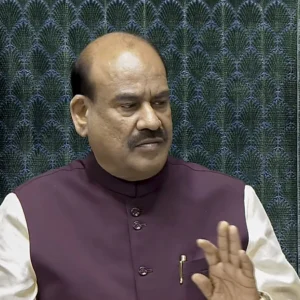
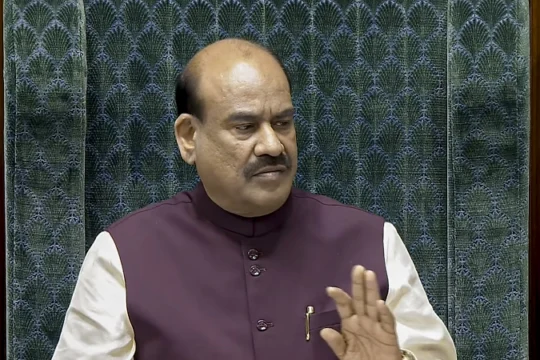
Amrit Mandal, son of Akshay Mandal from Hossaindanga village, was identified by police and locals as the head of the so-called “Samrat Bahini,” a group listed in police records. It is alleged that Amrit Mandal had formed this group, engaging in unlawful activities, including systematic extortion. Reports suggest he fled to India during the current Awami League government’s tenure but continued his alleged illegal operations remotely through his network.
The Allegations and Police Records
Bangladeshi police sources indicate that Amrit Mandal was a known figure due to his alleged leadership in criminal activities. The term “Bahini” often denotes a gang or faction in local parlance. His group, Samrat Bahini, was reportedly involved in creating a climate of fear, leading to his alleged targeting by a mob. It’s crucial to note that while these allegations are severe, the incident of mob lynching raises significant concerns about extrajudicial violence and the rule of law.
Broader Context: Rising Mob Violence in Bangladesh
The death of Amrit Mandal follows closely after the lynching of Dipu Chandra Das, another incident that spotlighted mob violence in Bangladesh. According to international human rights observers and outlets like Human Rights Watch and BBC News, Bangladesh has seen a worrying trend of mob justice, often fueled by allegations of crime, political tensions, or communal discord.
Attack on Hindu Household in Chattogram
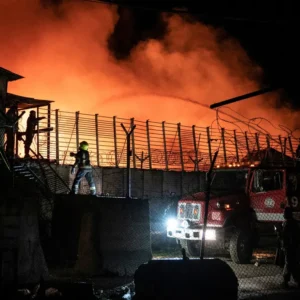
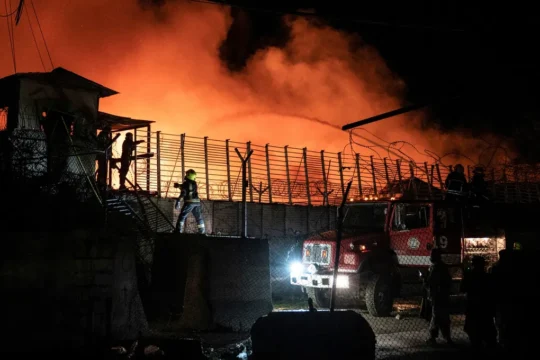
In a related development highlighting the tense atmosphere, Bangladesh police announced a reward for information on attackers who set fire to a Hindu-owned house in Raojan, near Chattogram. Chattogram range police chief Ahsan Habib offered the bounty after miscreants locked the doors from outside and set the house ablaze. The eight inhabitants, including expatriate workers, narrowly escaped. This incident, occurring amidst the political landscape shift, underscores the vulnerability of minority communities and the escalation of mob violence.
Analysis: Legal and Social Implications
The case of Amrit Mandal sits at the intersection of criminal allegation and vigilante justice. While the allegations against him are serious, his death without trial violates fundamental human rights and due process. Experts from organizations like Al Jazeera and Reuters have documented similar cases in South Asia, where mob lynching often reflects deeper institutional failures, including slow judicial processes and police inefficacy.
SEO Keywords and Top-Ranking Content Strategy
To rank highly for “Amrit Mandal” on Google, this content integrates the primary keyword naturally in headings, subheadings, and body text. Additional relevant keywords include “Samrat Bahini,” “lynching in Bangladesh,” “Pangsha upazila,” “mob violence Bangladesh,” and “Hindu household attack Bangladesh.” By providing comprehensive, fact-based reporting sourced from local media and international references, this article aims to be the go-to resource for searches related to Amrit Mandal.
Conclusion: A Call for Justice and Order
The death of Amrit Mandal is a tragic reminder of the dangers of extrajudicial violence. Whether he was a criminal or not, every individual deserves a fair trial. The Bangladeshi authorities must investigate both the allegations against Amrit Mandal and the circumstances of his lynching, ensuring accountability for all parties involved. Furthermore, the state must address the growing mob mentality to protect all citizens, regardless of community or allegation.