From Podcast Clashes to Privacy Nightmares: The Ajaz Khan Viral Video Saga Exposes the Dark Underbelly of Fame, Deepfakes, and India’s Cyber Laws in 2026.
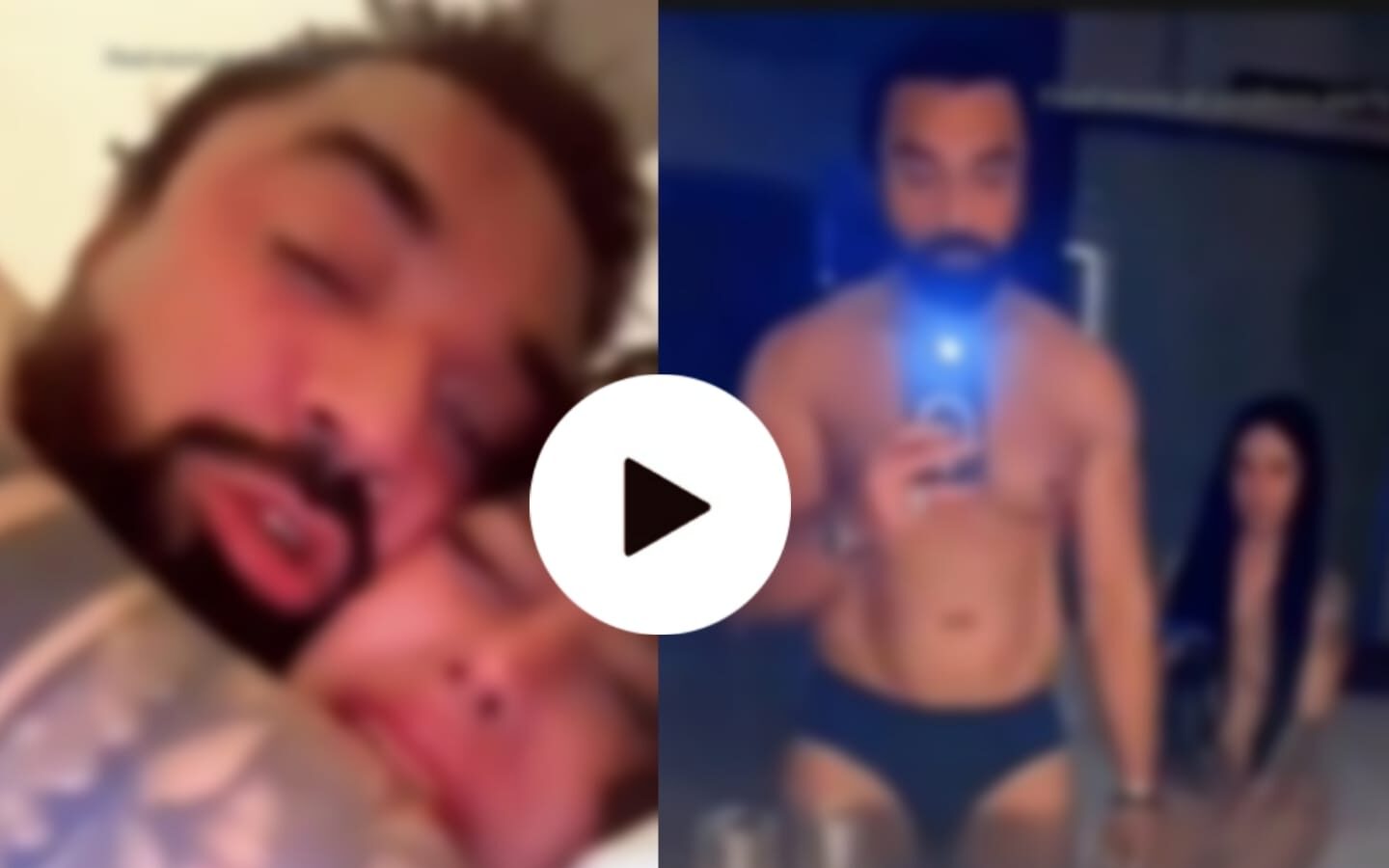
MUMBAI, January 19, 2026 – Former Bigg Boss 7 contestant and actor Ajaz Khan has found himself thrust back into the unforgiving spotlight of viral infamy. An alleged intimate MMS video, purportedly featuring the actor, has set the internet ablaze, triggering a maelstrom of speculation, debate, and raising urgent questions about privacy, consent, and digital security in modern India. The keywords “Ajaz Khan viral video” and “Ajaz Khan MMS” have dominated trending lists, marking yet another controversial chapter for the actor whose name has become synonymous with online scandals.
This incident emerges hot on the heels of another recent viral episode involving actress Arohi Mim, underscoring a disturbing pattern of private content being weaponized in the public domain. The Ajaz Khan leaked MMS controversy is not just tabloid fodder; it is a critical case study in the perils of the digital age.
The Genesis of the Controversy: From Podcast Sparks to Viral Firestorm
The current firestorm was seemingly ignited by Khan’s own re-entry into public discourse. Just days before the video surfaced, he was making headlines for his pointed comments on a viral podcast regarding YouTuber and reality TV star Elvish Yadav. Referring to an altercation at a party hosted by Vicky Jain, Khan stated:
“Vicky Jain ne bola meri picture ka launch hai. meri party hai..isliye humne bola jaane de, maaf kardo, yeh aakhri galti hai.. Elvish Yadav ne bola main video daalne wala tha lekin bhai usmein glitch aagaya…bewakuf bana raha hai, dum hai toh daal na episode. Jaa re Elvish bachkane, khali dikh matt merko bas.”
This defiant commentary had already put Khan back on the social media radar. However, on January 18, 2026, the narrative took a sharp, invasive turn. An unverified, intimate video clip began circulating on encrypted messaging apps and social media platforms, allegedly featuring Ajaz Khan. The clip spread with viral ferocity, with netizens dissecting every frame, though its authenticity remains unconfirmed.
Authenticity in Doubt: Deepfake Threat Looms Large
A critical layer of this scandal is the profound uncertainty surrounding the video’s origin. In 2026, the sophistication of Artificial Intelligence (AI) and deepfake technology has reached alarming levels, making it exceptionally challenging to distinguish between real and synthetic media.
- The Deepfake Dilemma: AI tools can now seamlessly graft a celebrity’s face onto another person’s body, creating hyper-realistic but entirely fabricated content. Experts caution that without forensic digital analysis, declaring the Ajaz Khan viral video as genuine is reckless.
- Recycled Content: Another possibility is the resurgence of an old, previously debunked clip. Khan was at the center of a similar viral controversy last year involving a speculative threesome video, which was never proven authentic.
Ajaz Khan has maintained a strict silence, issuing no official statement regarding the alleged Ajaz Khan MMS leak. This silence, while legally prudent, has further fueled the online frenzy.
A Pattern of Provocation and Allegation
This alleged video leak is the latest in a series of contentious incidents involving the actor:
- Influencer Allegations: Mere days before the video leak, Delhi-based fitness influencer Fit Varsha publicly called out Khan, sharing screenshots of alleged Instagram messages where he purportedly initiated contact, shared his number, and suggested meeting in Delhi.
- History of Viral Clips: As mentioned, the 2025 “threesome” video speculation set a precedent, linking Khan’s name to viral, sexually explicit content.
This pattern paints a picture of a celebrity constantly navigating the blurred lines between personal notoriety and public scandal.
Beyond Sensationalism: A Grave Data Breach and Its Implications
The Ajaz Khan leaked MMS saga transcends gossip. It is a stark reminder of how private data can be compromised:
- Device/Cloud Hacks: Unauthorized access to personal smartphones, cloud storage (iCloud, Google Drive), or laptops is a primary vector for such leaks.
- Third-Party App Vulnerabilities: Data stored in messaging apps or with service providers can be exposed through security flaws or insider threats.
- Malicious Intent: The content could be leaked by someone known to the individual, with intent to extort, shame, or cause reputational harm.
The Strong Arm of the Law: Legal Recourse in India
For those circulating or even actively searching for the “Ajaz Khan viral video”, beware. Indian cyber law imposes severe penalties. The legal framework applicable here is robust:
- Information Technology Act, 2000:
- Section 66E (Punishment for violation of privacy): Capturing or publishing images of a private area without consent is punishable with up to 3 years imprisonment or a fine.
- Sections 67/67A (Publishing obscene/sexually explicit material): Carries severe penalties, including imprisonment and hefty fines for transmitting such content.
- The Digital Personal Data Protection Act (DPDPA), 2023:
- This landmark act empowers individuals with rights over their data. Platforms are legally obligated to promptly remove Non-Consensual Intimate Imagery (NCII) upon complaint. Failure to comply can result in crippling fines for the intermediaries.
- The ‘Right to be Forgotten’:
- Indian judiciary has progressively recognized this right. Victims of such leaks can petition courts to direct search engines (Google, Bing) and social media platforms (Meta, X) to de-index and remove links to the violating content, helping to contain the digital damage.
Protecting Your Digital Self: Lessons from the Scandal
The Ajaz Khan incident is a cautionary tale for all digital citizens. To safeguard your privacy:
- Enable Robust 2FA: Use two-factor authentication on all cloud and social media accounts.
- Utilize Secure/Encrypted Folders: Leverage built-in secure folder features on smartphones (e.g., Samsung Secure Folder, iPhone’s Hidden Album) that do not sync to the cloud.
- Audit App Permissions: Regularly review which apps have access to your gallery, camera, and microphone. Revoke unnecessary permissions.
- Be Wary of Metadata: Photos and videos carry EXIF data (location, time, device). Strip metadata before sharing sensitive media.
- Practice Digital Hygiene: Avoid storing highly private content on devices or clouds that are inherently vulnerable.
Conclusion: A Society at a Crossroads
The virality of the Ajaz Khan MMS and the preceding Arohi Mim viral video indicates a societal sickness that revels in the non-consensual dissection of private lives. While the authenticity of the Ajaz Khan video remains shrouded in doubt, the damage to personal dignity is instantaneous and often irreversible.
This incident forces a necessary conversation about ethical media consumption, the terrifying potential of deepfake technology, and the urgent need for public awareness about India’s powerful, yet underutilized, cyber laws. As the digital and real worlds become inextricably linked, the right to privacy must be vigorously defended, both in law and in public consciousness. The Ajaz Khan viral video controversy is not just his battle; it is a mirror reflecting our collective vulnerability in an increasingly intrusive digital ecosystem.