OnePlus Shutting Down Global Operations in 2026: What It Means for Europe, US, India & Existing Users.
OnePlus Shutting Down Global Operations: Major Strategic Shift or End of an Era for the Flagship Killer?
In a stunning development that has sent shockwaves through the Android community, reports indicate that OnePlus is preparing to significantly scale back or cease smartphone operations in key global markets. The Chinese brand, once celebrated as the “flagship killer” for delivering premium specs at disruptive prices, appears to be pivoting heavily toward its home market in China while narrowing its ambitions in India to entry- and mid-range segments.
This isn’t the first time rumors of a OnePlus shutting down have circulated, but fresh corroboration from industry sources has lent significant weight to the claims. A now-deleted post by prominent tipster Yogesh Brar on X (formerly Twitter) first ignited the latest round of speculation, suggesting OnePlus would exit most international markets except for a focused push in budget-conscious India. Multiple outlets, including 9to5Google, have since backed this with anonymous sources familiar with internal decisions.
According to these reports, OnePlus could begin winding down operations in large parts of Europe, North America (including the US), the UK, and other regions as soon as April 2026. A firm timeline hasn’t been officially confirmed, but selected staff have reportedly already been informed, with some receiving severance packages. This marks a dramatic contraction for a brand that built its reputation on aggressive global expansion after launching with the OnePlus One in 2014.
The Trigger: Robin Liu’s Departure and Internal Restructuring
Compounding the uncertainty is the recent exit of Robin Liu, OnePlus India CEO, who has returned to China. Liu, who joined the company in 2018 and played a key role in stabilizing operations during previous challenges, stepped down effective March 31, 2026, citing personal reasons or passions. OnePlus issued a statement thanking him for his contributions while emphasizing that Indian operations would continue under a localized strategy with full business continuity.
Liu had previously pushed back against earlier shutdown rumors in January 2026, assuring stakeholders that the company was “operating as usual and will continue to do so.” His departure now, amid restructuring talks within the broader Oppo ecosystem, has fueled fresh Google Trends spikes for terms like “OnePlus shutdown,” “OnePlus India shutdown,” and related queries.
Industry observers point to deeper corporate shifts. OnePlus has operated as a sub-brand of Oppo behind the scenes since around 2021, with former OnePlus co-founder Pete Lau taking on a senior product role at Oppo. The recent integration of Realme as another official Oppo sub-brand in early 2026 suggests a broader consolidation effort under the parent company to streamline resources, reduce overlap, and cut costs in a highly competitive smartphone market.
This restructuring aligns with challenges facing Chinese smartphone makers, including memory and storage component shortages, rising costs, and softening demand in premium segments outside China. Brands are trimming “excess” operations, and OnePlus—despite its loyal fanbase—may be feeling the pressure more acutely in mature markets where differentiation is harder.
Historical Context: OnePlus’ Previous Global Pullbacks
This isn’t entirely new territory for OnePlus. Back in 2020, following the departure of co-founder Carl Pei and the launch of the Nord series, the company shuttered or downsized several European offices, including in the UK and Germany. It shifted toward a more integrated approach with Oppo while maintaining a presence through online channels and select retail partners.
The current moves appear more decisive. Reports suggest that many upcoming OnePlus product launches (potentially including aspects of the 2026 lineup) may remain China-exclusive unless explicitly announced for other regions. The end of the Hasselblad camera partnership with the recent OnePlus 15 series—while it continues on Oppo flagships—further highlights diverging priorities between the brands.
OnePlus has historically thrived on community engagement, OxygenOS (now more aligned with ColorOS), and forums that fostered a dedicated user base. Questions remain about long-term software update commitments, after-sales support, and the future of these community platforms if operations shrink significantly in certain territories.
What Does This Mean for Different Markets?
Europe and North America: Potential Exit or Severe Reduction
Vast portions of Europe are reportedly in the crosshairs, with operations potentially ceasing as early as April 2026. Similar impacts are expected in the US, where OnePlus has faced carrier and regulatory hurdles in the past. Customers in these regions may see fewer new launches, limited availability, and a greater reliance on gray-market imports for future devices.
For existing users, the critical concern is support. OnePlus has typically promised 4-5 years of OS updates and security patches on recent flagships. While the company previously reiterated “full guarantee of users’ after-sales support, software updates, and rights commitments” in response to earlier rumors, a formal wind-down could test those promises. Warranty claims, parts availability, and service centers might transition to Oppo channels or third-party providers in affected regions.
India: Shift to Entry- and Mid-Range Focus
India remains a bright spot, albeit with a changed strategy. OnePlus is expected to prioritize entry-level and mid-range devices here, leveraging the massive volume potential in a price-sensitive market. The brand has enjoyed strong growth in India through aggressive pricing, excellent software, and retail partnerships.
However, premium flagships like the OnePlus 13 or 15 series might see reduced emphasis or delayed global variants. With Realme now under the Oppo umbrella targeting similar segments, there could be internal positioning to avoid cannibalization—OnePlus perhaps leaning into “premium feel” mid-rangers while Realme handles ultra-budget options.
OnePlus India has explicitly stated that operations will continue normally, and the departure of Robin Liu is framed as unrelated to any shutdown. Still, a narrower focus could mean fewer high-end launches and more resource-sharing with Oppo/Realme for distribution and service networks.
China: Business as Usual
The home market appears largely unaffected. OnePlus will likely continue pushing full flagship lineups in China, benefiting from strong domestic demand, ecosystem integration with Oppo, and lower logistical challenges. This focus makes strategic sense given that China and India together account for a massive share of the brand’s sales (reportedly over 70% in recent periods).
Broader Industry Implications of OnePlus Shutting Down Global Ambitions
The potential OnePlus global shutdown in select markets reflects wider trends in the smartphone industry:
- Consolidation under Chinese giants: BBK Electronics (Oppo, Vivo, Realme, OnePlus) has been streamlining. Merging Realme fully as a sub-brand signals efficiency drives amid slowing growth.
- Premium segment pressures: Flagship competition from Samsung, Google Pixel, and Apple is intense. Mid-range offers better volume and margins for many Chinese players.
- Supply chain and geopolitical factors: Component shortages, trade tensions, and inflationary costs hit hardware-heavy brands hard. Exiting high-cost, low-volume markets like parts of Europe could free up capital.
- Software and ecosystem bets: With OxygenOS evolving and potential deeper Oppo integration, the focus might shift to software services, AI features, and foldables rather than hardware volume everywhere.
For competitors, this could open opportunities in the “flagship killer” space—brands like Nothing, Motorola, or even Samsung’s A-series might gain share. For consumers, fewer choices in premium Android could reduce innovation pressure.
Impact on Existing OnePlus Users: Software Updates, Support, and Community
One of the biggest unknowns is post-sale support. OnePlus devices have earned praise for timely updates, but a reduced global footprint raises questions:
- Will update commitments (e.g., 4 OS upgrades + 5 years security on recent models) be honored in exited markets?
- How will service centers operate? Will Oppo absorb them?
- Community forums and developer support—vital to OnePlus’ early success—could see reduced moderation or migration.
The company has pushed back on shutdown fears before, promising continuity. Users are advised to monitor official channels, back up data, and consider extended warranties where available. For those in affected regions planning a new purchase, weighing current stock against future support is prudent.
OnePlus Product Pipeline: What’s Next?
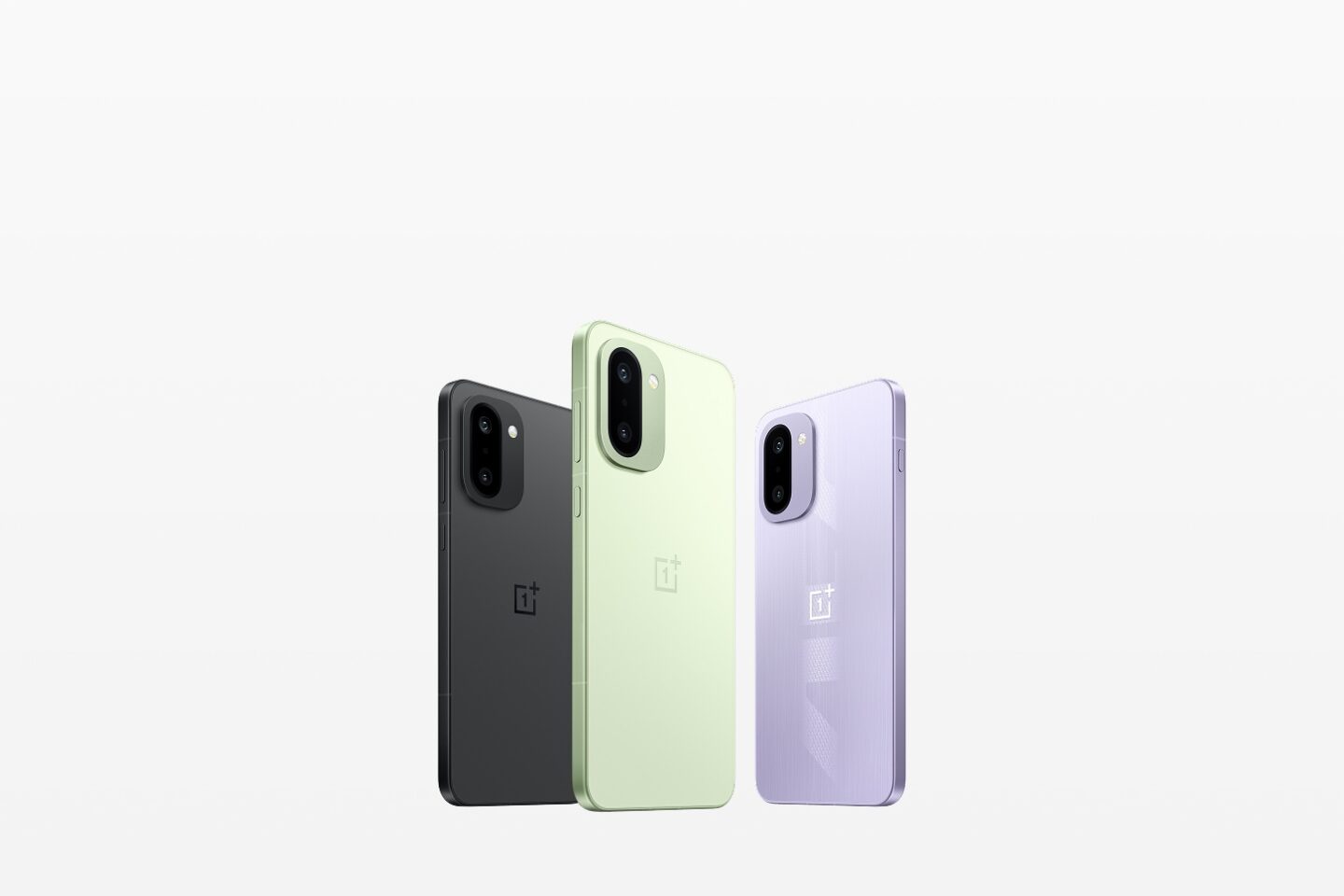
Despite the rumors, launches are still in the pipeline. The OnePlus 15 series recently highlighted changes like the Hasselblad partnership shift. Future devices may prioritize China-first strategies, with selective international rollouts—likely focused on India for mid-range.
Expect more emphasis on foldables (like potential OnePlus Open successors), AI features powered by shared Oppo tech, and value-oriented specs rather than all-out flagship battles in every market.
Why This Matters: The Legacy of the Flagship Killer
OnePlus disrupted the industry by proving that flagship-level performance didn’t need flagship prices. From the invite-only OnePlus One to the Nord series democratizing 5G and fast charging, the brand cultivated a cult following.
If the OnePlus shutting down in global markets materializes fully, it would mark the end of that independent global dreamer phase. Instead, it becomes a more integrated player within Oppo’s portfolio—potentially stronger in Asia but diminished elsewhere.
This could be a smart business recalibration rather than failure. In a market where only a handful of brands dominate globally, focusing where you have scale (China + budget India) while leveraging parent synergies makes financial sense.
What Should Buyers and Fans Do Now?
- Current owners: Check your device’s update policy on the official OnePlus site. Register for support notifications.
- Prospective buyers in Europe/US: Evaluate immediate needs vs. long-term viability. Consider alternatives with strong global support.
- In India: Mid-range OnePlus options may still offer excellent value; watch for localized launches.
- Follow official statements: OnePlus has pointed to its Robin Liu response when asked for comment. Further updates are expected.
The situation remains fluid. While sources close to the matter confirm preparations for a scaled-back presence, companies often adjust plans based on feedback, sales data, or negotiations. Previous denials followed by measured retreats suggest caution in interpreting “shutdown” as total disappearance—more likely a significant restructuring.
SEO-Optimized Analysis: Searching for “OnePlus Shutting Down” in 2026
If you’re reading this after searching OnePlus shutting down, OnePlus Europe exit, or OnePlus India 2026, you’re not alone. Google Trends shows heightened interest following Yogesh Brar’s post and Robin Liu’s exit. This comprehensive guide covers the latest from 9to5Google, NotebookCheck, Android Authority, and other reports, plus context on Oppo-Realme dynamics.
Key takeaways:
- Timeline: Potential April 2026 start for reductions in Europe and beyond.
- India focus: Entry/mid-range emphasis with continued operations.
- Support guarantee: Company reiterates commitments; monitor closely.
- Strategic driver: Oppo integration and cost optimization amid market challenges.
The smartphone world moves fast. What began as a scrappy startup challenging giants may evolve into a specialized arm of a larger empire. For fans, the spirit of “Never Settle” might live on through software, community, or future pivots—even if hardware shelves in certain countries grow quieter.
We will continue monitoring developments and update this article with any official OnePlus statements, product announcements, or clarifications on after-sales support. If you own a OnePlus device or are considering one, share your thoughts in the comments—what market are you in, and how does this news affect you?
This article is based on reports from 9to5Google, Yogesh Brar, Economic Times, Android Authority, and other sources as of March 2026. Rumors should be treated as such until officially confirmed. Word count: approximately 2,650.