If US Attacks Pakistan, We’ll Target Delhi and Mumbai in India: Former Pak High Commissioner Abdul Basit’s Shocking Warning Amid Iran War Tensions
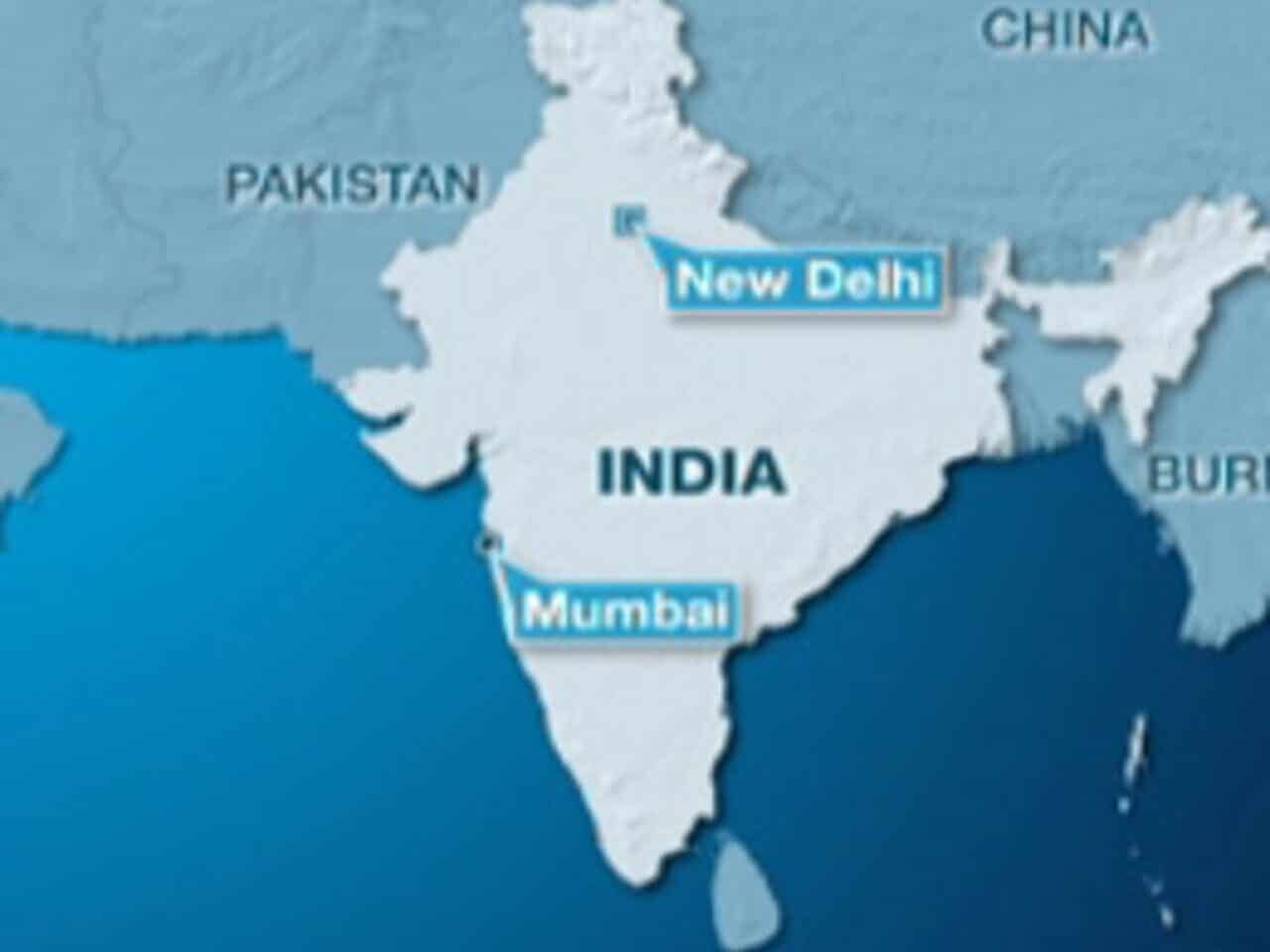
New Delhi, March 22, 2026: In a highly provocative statement that has sparked alarm across South Asia, Abdul Basit, Pakistan’s former High Commissioner to India (2014-2017), has warned that Pakistan would not hesitate to launch strikes on major Indian cities including Delhi and Mumbai if it faces an existential threat from the United States, particularly targeting its nuclear capabilities.
Speaking in a discussion amid escalating tensions in the ongoing Iran war and regional instability involving Israel and the US, Basit outlined a hypothetical worst-case scenario. “Let’s say the situation in Iran worsens and Israel positions itself closer to us. Suppose a scenario develops where the United States also views our nuclear programme negatively or attempts to destroy our nuclear capability,” he said.
Basit described such a situation as “among the impossibilities” because Pakistan possesses the means to defend itself, but he proceeded to elaborate on the potential fallout. “If the US attacks Pakistan and we cannot reach their bases in the Gulf or strike Israel, then what would be our only option? India,” he asserted.
He further emphasized: “We would have nothing else to do. Even if our range does not extend there, if someone casts a hostile eye on us, we would, without hesitation, attack India—Mumbai, New Delhi—we would not hold back. Whatever happens afterward would be dealt with later, and we should not hold back either.”
Basit’s remarks draw a parallel to Iran’s strategy of targeting US-allied Gulf nations when unable to directly strike the US mainland due to distance. However, critics point out a key difference: unlike Gulf states hosting US military bases, India has no such American facilities, making the suggestion appear reckless and aimed at provoking India unnecessarily.
The comments come at a time when US Director of National Intelligence Tulsi Gabbard recently highlighted Pakistan as one of the most significant nuclear threats to the United States. In her testimony to a Senate panel, Gabbard stated: “Russia, China, North Korea, and Pakistan pose the biggest nuclear threats to the US.” She also expressed concerns over advancing missile capabilities in several nations, including Pakistan’s potential development of longer-range systems.
Basit’s statement, made as a former senior diplomat, has gone viral and drawn sharp reactions, with many viewing it as irresponsible rhetoric that could heighten India-Pakistan tensions. While he stressed the scenario remains highly unlikely, the explicit naming of Delhi and Mumbai as targets revives memories of past attacks and underscores deep-seated strategic anxieties in the region.
Analysts note that such statements, even hypothetical, risk escalating diplomatic friction amid broader geopolitical shifts involving the US, Israel, Iran, and South Asian nuclear powers. Pakistan’s official position has not commented on Basit’s personal views, but the remarks have intensified scrutiny on nuclear deterrence dynamics in the subcontinent.
This development highlights the fragile balance of regional security, where hypothetical threats can quickly fuel real-world concerns. Stay tuned for updates on this evolving story.