Nora Fatehi’s 7 Shocking Claims Ignite Massive Song Scandal
The song Sarke Chunar Teri Sarke from the upcoming pan-India Kannada film KD: The Devil has ignited a massive controversy, drawing widespread criticism for its allegedly vulgar lyrics, suggestive choreography, and overall objectionable content. Featuring Bollywood actress and dancer Nora Fatehi alongside veteran actor Sanjay Dutt, the track has faced backlash from the public, celebrities, and now official bodies, leading to its removal from platforms and summons from the National Commission for Women (NCW).
Nora Fatehi, known for her bold dance numbers and international appeal, has found herself at the center of this storm. The controversy escalated rapidly after the song’s release, prompting interventions from government authorities, including mentions in Parliament and actions by the Information and Broadcasting Ministry.
The Origins of the Song and Initial Release
KD: The Devil is an ambitious pan-India project in the Kannada film industry (Sandalwood), directed by Kiran Kumar and produced by Venkat K. Narayana under KVN Group. The film stars prominent actors and aims for a multi-language release. The song in question was originally shot three years ago in Kannada as “Sarse Ninna Seraga Sarse,” with Nora Fatehi performing a special dance number opposite Sanjay Dutt.
Nora Fatehi has explained in her public statement that she agreed to the project primarily because it offered her the chance to collaborate with Sanjay Dutt, a major icon in Indian cinema. She believed it was a remake or inspired by classic tracks like “Nayak Nahin Khalnayak Hoon Main.” Since she does not speak or understand Kannada, she relied on the filmmakers’ translations of the lyrics, which she claims did not appear objectionable at the time of shooting.
The Hindi version, titled Sarke Chunar Teri Sarke, was released recently (around mid-March 2026) on YouTube and quickly went viral. However, the dubbed Hindi lyrics by Raqueeb Alam drew immediate ire for being sexually suggestive and double-meaning. Critics pointed to lines perceived as vulgar, combined with Nora Fatehi‘s provocative dance moves, leading to accusations of objectification of women and promotion of indecent content.
Escalation of the Controversy
The backlash was swift and multi-faceted:
- Social media users flooded platforms with criticism, calling the lyrics “disgusting” and “derogatory.”
- Celebrities like Kangana Ranaut slammed it for crossing limits of vulgarity in Bollywood and Indian cinema.
- Complaints poured in from organizations like the All India Cine Workers Association (AICWA), demanding a ban and FIRs against the creators.
- The National Human Rights Commission (NHRC) issued notices over the content.
- The song was raised in the Lok Sabha, where Information and Broadcasting Minister Ashwini Vaishnaw stated that freedom of expression is not absolute and action was taken to remove it.
- The Karnataka State Commission for Women also flagged it as derogatory.
Following these developments, the Hindi version was taken down from YouTube, and reports indicate the original Kannada track faced similar scrutiny. The Central Board of Film Certification (CBFC) clarified that the song was never submitted for certification, as it was a promotional track from an unreleased film.
NCW Takes Suo Motu Cognizance and Issues Summons
The most significant escalation came when the National Commission for Women (NCW) intervened suo motu based on media reports. In an official statement posted on X (formerly Twitter), the NCW observed that the content “prima facie appears to be sexually suggestive, objectionable, and violative of provisions under the Bharatiya Nyaya Sanhita, IT Act, and POCSO Act.”
The Commission issued summons to key individuals involved:
- Actress Nora Fatehi
- Actor Sanjay Dutt
- Lyricist Raqueeb Alam
- Producer Venkat K. Narayana (KVN Group)
- Director Kiran Kumar
They have been directed to appear before the NCW on March 24, 2026, at 12:30 PM, along with relevant documents. The NCW warned that failure to comply could invite appropriate legal action.
This move underscores the seriousness of the allegations, as the NCW has powers under the NCW Act, 1990, to investigate matters concerning women’s rights and dignity.
Nora Fatehi’s Response and Clarification
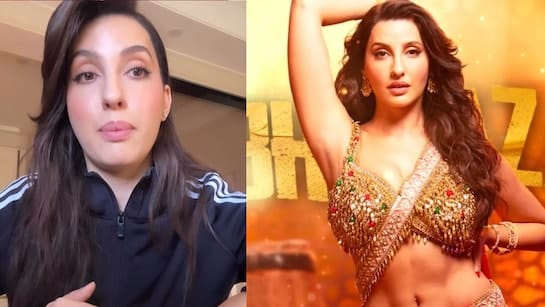
Amid the mounting pressure, Nora Fatehi broke her silence through a detailed video message shared on social media. She emphasized several key points:
- The song was shot three years ago in Kannada for the Sandalwood industry.
- She had no knowledge of the Hindi dubbing or final lyrics, which she described as “very inappropriate.”
- The makers did not seek her approval or permission for the Hindi version or related promotions.
- At the launch event, upon hearing the Hindi lyrics, she immediately warned the director (referred to as KD in her statement) that it could lead to trouble and backlash.
- She dissociated herself from the project after realizing the issue.
- She alleged the use of AI-generated images of her and Sanjay Dutt without consent, expressing her opposition to such practices.
- Nora Fatehi thanked the public for the backlash, noting it led to the song’s removal, and urged people not to share clips or attack her personally.
Her statement positions her as someone misled by the filmmakers, highlighting a language barrier and lack of control over post-production changes.
Broader Implications for the Film and Industry
KD: The Devil is slated for release in multiple languages, but this controversy could impact its prospects. The film’s team has remained largely silent, though the director’s wife has defended similar past songs like “Choli Ke Peeche,” arguing for contextual understanding in cinema.
The incident reignites debates on:
- Limits of creative freedom vs. obscenity in Indian entertainment.
- Responsibility of actors in item songs or special appearances.
- Use of AI in promotions without consent.
- Regulation of promotional content for unreleased films.
With the NCW hearing approaching on March 24, 2026, all eyes are on the outcome. It could set precedents for how such content is handled in the future.
Nora Fatehi continues to maintain that she does not endorse the final product and hopes for fair resolution. As developments unfold, this controversy highlights the intersection of art, censorship, and societal values in today’s digital age.