Northeastern Women Racially Abused in Delhi’s Malviya Nagar: UPSC Aspirant from Arunachal Pradesh Alleges Sexist Slurs, Massage Parlour Accusations; FIR Registered Against Couple
In a shocking incident that has once again highlighted the persistent issue of racial discrimination faced by people from India’s Northeastern states in metropolitan cities, three young women from Arunachal Pradesh were allegedly subjected to severe racial abuse, sexist slurs, and intimidation by their neighbors in South Delhi’s upscale Malviya Nagar area. The altercation, which occurred on February 20, 2026, around 3:30 PM, began as a trivial disagreement over dust from air conditioner installation but quickly escalated into a barrage of derogatory and racially charged remarks.
The victims, including one UPSC aspirant preparing rigorously for the civil services examination, live in a rented flat on the fourth floor of a residential building. They had called an electrician to install an air conditioner, a common household upgrade during Delhi’s sweltering summers. During the drilling process, some dust and debris inadvertently fell onto the balcony of the first-floor residents—Harsh Singh and his wife, Ruby Jain—who are also tenants in the same building.
What could have been resolved with a simple conversation or mutual understanding spiraled into verbal aggression. The women immediately apologized, clarifying that the mess was unintentional and not malicious. However, instead of de-escalating, the couple allegedly launched into personal attacks, targeting not just the individuals but their Northeastern identity.
According to the victims’ accounts, reported widely by agencies like PTI and covered in major outlets including The Times of India, India Today, Hindustan Times, and NDTV, the couple hurled insults such as calling them “dhandhewali” (a derogatory term implying sex workers), accusing them of running a “massage parlour” at home, and claiming they engaged in immoral activities or sex work for as little as ₹500. Other slurs included telling them to “go sell momos,” labeling them “gutter-chaap” (gutter-level), and making blanket statements like “Northeast people are shit” or illiterate.
One of the women recounted how the focus shifted entirely from the dust issue: “Instead of discussing the main matter, they started targeting the Northeast, calling Northeastern people illiterate. They said we do immoral work for ₹500. They even threatened to beat me up.” The UPSC aspirant emphasized that such stereotypes stem solely from their regional background, despite being fellow Indians pursuing education and careers in the capital.
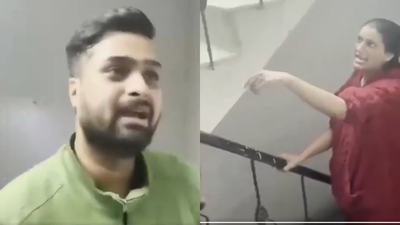
A viral video of the confrontation, circulating extensively on social media platforms like X (formerly Twitter) and Instagram, captures the intensity of the exchange. In the footage, a police officer is seen intervening to calm the situation, but the couple allegedly continued with the abusive remarks even in the officer’s presence. The women are heard confronting the accusations directly, one stating, “Everyone heard what you said about my image. You made false allegations… Go check my room if you find any bottles there,” refuting claims related to alcohol or misconduct.
The victims also noted additional intimidation tactics. The couple reportedly boasted about their social and economic status, with one saying, “Teri aukaat nahi hai… custom officer ka beta hai woh… politician ka beta hai” (You have no standards… He is the son of a customs officer… a politician’s son), implying immunity from consequences. This added layer of perceived privilege intensified the humiliation.
Shocked by the rapid escalation over such a minor issue, the women were stunned when the couple called the police. Officers from Malviya Nagar Police Station arrived at the scene, noted the women’s names, and witnessed the ongoing verbal abuse. Despite this, the women filed a formal complaint, leading to the registration of an FIR against Harsh Singh and Ruby Jain.
The FIR was lodged under key sections of the Bharatiya Nyaya Sanhita (BNS), India’s new criminal code replacing the Indian Penal Code:
- Section 79: Word, gesture, or act intended to insult the modesty of a woman.
- Section 351(2): Criminal intimidation.
- Section 3(5): Common intention.
- Section 196: Promoting enmity between different groups on grounds of religion, race, place of birth, residence, language, etc., and acts prejudicial to the maintenance of harmony.
Notably, Section 196 is a cognizable and non-bailable offense, underscoring the seriousness of the allegations involving racial hatred and promotion of disharmony. As of the latest updates, no arrests have been made, though police have confirmed the case involves mental harassment and humiliation, with no physical injuries reported. The investigation remains ongoing.
Advocate Reena Roy, representing the women, described the incident as a stark reflection of the systemic racial bias and prejudice Northeastern individuals face in Delhi. “This is not an isolated event but part of a broader pattern of discrimination,” she stated. A resident from Sikkim, echoing similar sentiments, added: “As neighbors, they should have made these young women living far from home feel safe. Instead, they harassed and abused them. Why are we treated as outsiders just for being from the Northeast? We too have the right to live with equality and dignity.”
The women have demanded a formal public apology from the accused, asserting that the remarks were symptomatic of deep-rooted stereotypes against Northeastern communities—often reduced to caricatures involving food like momos, perceived occupations, or assumptions about morality based on appearance or origin.
This case has reignited national conversations about racism against people from the Northeast in urban India. Similar incidents in the past have involved slurs, exclusion from housing, workplace bias, and even violence, prompting calls for greater awareness, sensitivity training, and stricter enforcement of anti-discrimination laws.
Meghalaya Chief Minister Conrad K. Sangma condemned such acts, stating that “discrimination against Northeast people must stop.” While not directly referencing this case, his remarks align with the growing outrage expressed online and in media reports.
The victims, who wish to remain largely anonymous for safety, include a dedicated UPSC candidate whose studies have been disrupted by the trauma. They stress their Indian identity: “We view everyone equally as Indians and do not target people based on caste or community.” They reject any notion that they provoked the incident based on background differences.
As Delhi Police continue their probe, this Malviya Nagar racial abuse incident serves as a reminder of the challenges faced by Northeastern migrants in the national capital—pursuing dreams in education, civil services, and jobs while battling prejudice. The viral nature of the video has amplified calls for justice, accountability, and societal change to ensure no one is demeaned for their place of origin.
The broader implications extend to housing rights, neighborly conduct, and the need for inclusive urban spaces. With an FIR under non-bailable sections, the case could set a precedent for handling racially motivated harassment. Until then, the affected women continue to seek not just legal redress but genuine acknowledgment and apology to restore their sense of security in their temporary home.